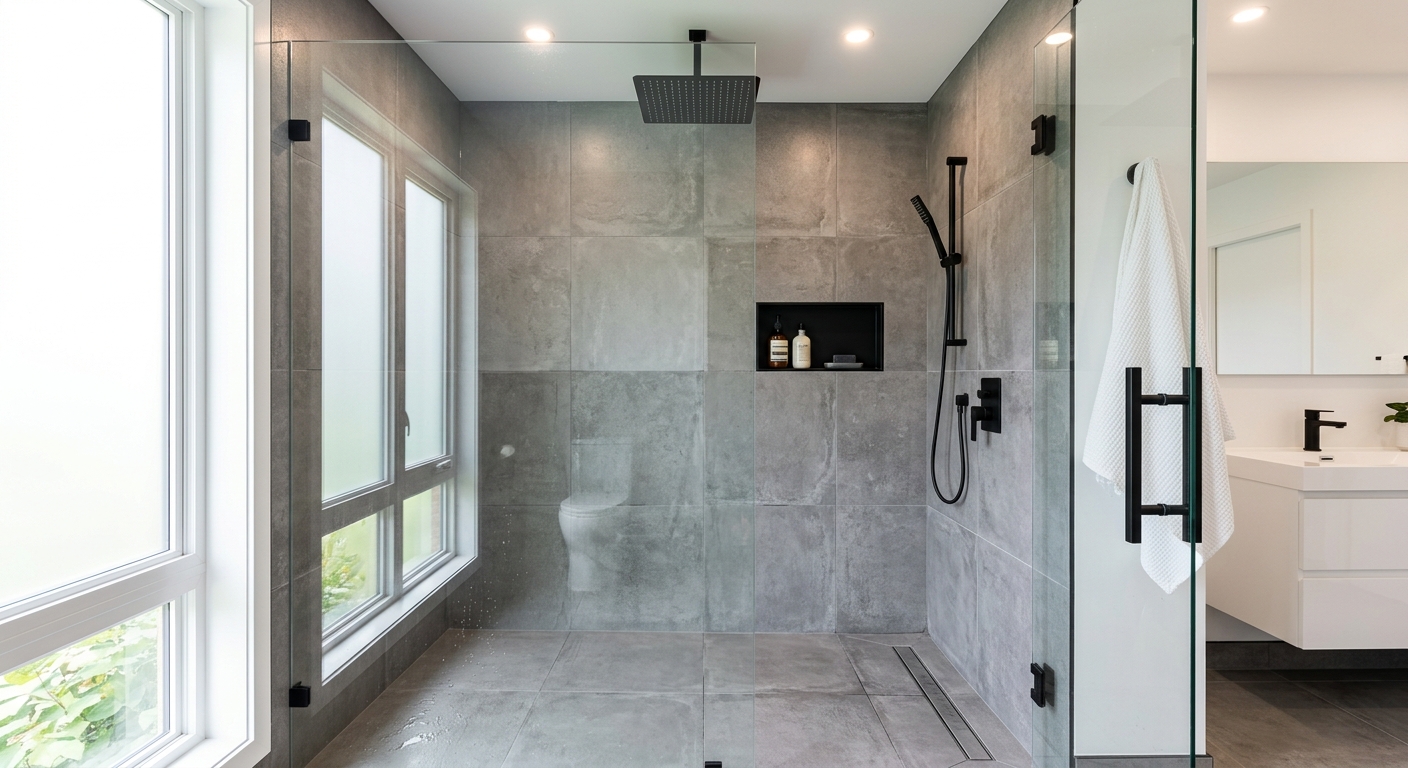
Bathroom renovation options and costs in Sault Ste. Marie
Sault Ste. Marie homeowners typically shop for bathroom renovations by comparing a few common scopes—then the total surprises many people once trades start measuring and opening walls. Here, the planning matters because a large share of housing stock is older: Statistics Canada reports that 75.3% of homes were built before 1981, and that often means dated plumbing layouts, cast-iron drain sections, and the possibility of asbestos-containing materials in older floor tile or drywall compounds. Statistics Canada also shows Sault Ste. Marie has 22,215 homeowner households, with 68.3% of households owning, which creates a steady local demand for mid-life updates rather than frequent turnover.
In Ontario, bathroom budgets are shaped less by coastal-style weather swings and more by what’s hiding behind the tile and how quickly you can get skilled labour. In the Northeast economic corridor, contractor availability can be tighter than in larger southern markets, so labour is a major portion of the quote. Once walls are opened, it’s common to find insufficient venting or ventilation ducting that needs upgrading, which increases inspection time, material runs, and trade hours.
In town, you’ll notice especially high demand for tile setting and plumbing changeovers in established areas with older housing patterns—many projects are booked in neighbourhoods like West End, where mid-century homes make up a significant share of the stock. If you’re deciding between a cosmetic refresh and a full rebuild, start by matching scope to your actual condition of the subfloor, waterproofing, and electrical. Use the price ranges below as a baseline, then confirm your exact inclusions in itemised quotes.
| Renovation Scope |
What's Included |
Typical Duration |
Price Range |
| Cosmetic refresh (paint, fixtures, accessories only) |
New paint/caulk, replace vanity top or vanity, toilet swap (no rough-in changes), new lighting fixtures, towel bar/rails, accessories, basic re-grout; existing tile left in place |
3–5 business days |
$3,000–$7,500 |
| Mid-range full renovation (new tile, vanity, tub/shower, electrical) |
Demo and dispose, new waterproofing, wall and floor tile, new vanity and mirror, tub/shower surround or new alcove unit, updated exhaust fan, GFCI where required, finish trim, plumbing updates limited to the current rough-in locations |
2–3 weeks |
$15,000–$28,000 |
| High-end full renovation (custom tile, steam shower, heated floors) |
Custom shower/tub layout, premium tile/grout system, membrane or bonded waterproofing system, heated floor circuit, upgraded electrical and ventilation, high-end fixtures, niche(s), glass enclosure, metal linear drain (where planned) |
3–6 weeks |
$28,000–$45,000 |
| Shower-only installation (convert tub to walk-in shower) |
Convert alcove tub to curbless or low-threshold shower, new waterproofing, new shower floor slope/drain, glass enclosure, new valve trim, re-tile walls and floor, ventilation check |
2–4 weeks |
$11,000–$20,500 |
| Bathtub replacement or tub-liner install |
Swap tub and rework the surround to match, new drain/overflow parts as needed, caulking and waterproofing at transitions; liner installs if existing tub shell condition supports it |
3–10 business days |
$2,500–$6,000 |
| Tile-only installation (floor + surround, existing layout kept) |
Tile floor and shower/tub surround only, new grout and sealants, minimal plumbing disturbance (trim and re-sealing), waterproofing upgrades if needed at tile lines |
1–2 weeks |
$3,500–$15,000 |
Prices are estimates only and vary by project scope, site access and material selection.
What affects the price of bathroom renovation in Sault Ste. Marie
In the Northeast of Ontario and across the wider Ontario market, you’ll often see quotes for the same bathroom end up 30–50% apart. The biggest drivers are not “mystery markup”—they’re labour availability, how much hidden work gets uncovered, and how a contractor prices risk. In many older homes around Sault Ste. Marie, the age of the housing stock matters more than climate: if your reno requires moving a drain or addressing venting, costs can jump quickly due to rough-in work and re-inspections. Even if your fixtures are mid-range, labour-intensive tile setting and waterproofing prep can still push the job into a higher band.
Older homes in the Northeast often have cast-iron or corroded drain sections, plus galvanized or older supply piping that can’t be connected cleanly without changes. That’s why one contractor may price a typical mid-range full renovation around $15,000–$28,000, while another builds a higher contingency toward a more comprehensive upgrade plan. Another common scope inflator is ventilation: replacing an undersized exhaust fan and updating duct routing is a materials-and-labour add, but it can prevent moisture accumulation.
Asbestos can also play a role in budget. In pre-1985 homes, discovery of asbestos in vinyl floor tile or drywall compound typically triggers abatement protocols and adds anywhere from $1,500–$5,000+, depending on extent. In practical Sault Ste. Marie terms, cost can be lower when you keep the same plumbing rough-in and your subfloor is sound; it’s higher when you need to open floors for rot/unlevel surfaces or correct waterproofing failures.
| Price Factor |
Why It Matters |
Cost Impact |
| Layout change — moving drain or supply lines requires rough-in work |
Plumbing rough-in means opening walls, adding framing support, and coordinating trades and inspections |
Typically +$3,000–$8,000 |
| Tile selection — large-format porcelain vs. mosaic vs. ceramic |
Harder tile increases setting time, waste rate, and underlayment prep requirements |
Typically +$1,000–$6,000 |
| Fixture tier — builder-grade vs. mid-range vs. designer brands |
Higher-tier faucets, valves, and vanity hardware often require better matching trim and additional adjustments |
Typically +$800–$4,500 |
| Subfloor condition — rot or unlevel concrete adds scope |
Repairs/leveling demand extra labour, membrane prep, and sometimes structural reinforcement |
Typically +$1,500–$7,500 |
| Electrical — adding GFCI outlets, exhaust fan, heated floor circuit |
New circuits add electrician time, materials, and coordination with waterproofing deadlines |
Typically +$600–$4,000 |
| Waterproofing method — membrane type and extent |
Better membranes and more coverage reduce long-term failure risk (and callbacks) |
Typically +$800–$3,500 |
| Older-home surprises — asbestos tile, cast-iron drains, galvanized pipes |
Discovery changes scope, safety procedures, disposal logistics, and sometimes permit requirements |
Typically +$1,500–$10,000+ |
| Bathroom size — sq ft drives tile and labour time directly |
More area means more tile, more waterproofing, longer set/dry time and more trim cuts |
Typically +$2,000–$12,000 |
Permits & regulations in Ontario
In Ontario, cosmetic updates rarely need a permit—if you’re just swapping fixtures (like a vanity, toilet, or lighting), repainting, re-grouting, or retiling without changing the plumbing routes or structural surfaces, most projects can proceed without formal municipal permitting. However, permits and inspections typically do become necessary when you alter plumbing rough-ins, add or relocate ventilation, or make electrical changes that involve new circuits or increased load.
For a typical Sault Ste. Marie bathroom, here’s what usually does require a permit: moving a drain or supply line, installing/relocating a toilet using new rough-in, changing the location of a shower valve, adding an exhaust fan that requires a new electrical circuit, and any structural wall changes. Electrical work must meet Ontario code and be done or signed off by a licensed electrician—especially when you’re adding GFCI protection, wiring for an exhaust fan, or installing heated floors.
How to verify before you sign: (1) Ask for the contractor’s Ontario trade licence and confirm it using the province’s online registry; (2) request a certificate of insurance that includes liability coverage and confirm it matches your contractor’s legal name; (3) confirm WSIB/WCB coverage (or an exemption letter if applicable) and keep copies for your records; and (4) request the clearance letter or proof document. A good contractor will hand these over early and include permit responsibilities in the written scope so you know who pulls what and what inspection stages are covered.
Choosing tile, waterproofing and fixtures for your Sault Ste. Marie bathroom
In Sault Ste. Marie, three decisions tend to steer your budget the most: tile choice, waterproofing method, and fixture tier. First, tile: ceramic tile is usually the most budget-friendly for both floors and walls, but it can be more forgiving only when your subfloor is already flat and stable. Porcelain tile is denser and often better for floors because it handles wear and moisture well; it’s also commonly installed with tighter grout joints, which increases labour time but improves the finished look. Natural stone (marble, travertine, slate) can look exceptional, yet it often adds cost through premium material pricing and more careful installation, sealing, and layout.
Second, waterproofing. Ontario’s winters don’t “soak” the bathroom the way some climates do, but humidity inside a bathroom envelope can still drive mould risk if waterproofing fails. A paint-on membrane can work for certain tile applications, but bonded sheet membranes or a well-planned system (including proper overlaps and seams) usually deliver stronger protection where water is most likely—shower floors, corners, and transitions around niches and valve bodies.
Third, fixtures. Builder-grade faucets and trims can be a good fit if your plumbing rough-in is staying put. Mid-range brands often provide better cartridge performance and more durable finishes. Designer fixtures can raise resale appeal, but the biggest “value per dollar” comes from matching the fixture tier to the overall waterproofing and layout you’re paying for.
Example: if your shower walls are staying put, upgrading from ceramic to porcelain might move your tile line item by a few thousand dollars—but choosing the right waterproofing coverage and adding a properly ducted exhaust fan often protects that investment better than chasing premium stone. If you’re aiming for a mid-range full renovation budget around $15,000–$28,000, you can often reach that target with porcelain tile plus a dependable membrane system; reserve natural stone for features like an accent wall or bench rather than every surface.
| Material / Option |
Pros |
Cons |
Price Range |
| Ceramic tile (floor + walls) |
Lower material cost, wide selection, straightforward install with common thinset and back-buttering practices |
More prone to chipping than porcelain; floor performance depends on correct grout/spacing and subfloor flatness |
$35–$70 per sq ft installed |
| Porcelain tile (floor + walls) |
Better moisture and wear resistance for floors, consistent thickness, cleaner look with tight grout lines |
Higher material cost; harder tile can increase cutting time and waste if patterns are complex |
$60–$95 per sq ft installed |
| Natural stone (marble, travertine, slate) |
High-end appearance and unique veining; can boost perceived luxury and resale appeal |
Needs sealing and careful maintenance; more labour-intensive finishing and layout; higher variability between slabs |
$95–$160 per sq ft installed |
| Frameless glass shower enclosure |
Modern, bright look; durable tempered glass; helps visually open smaller bathrooms |
Higher material and hardware cost; needs precise measurements and solid wall alignment |
$1,800–$4,500 |
| Prefab tub surround (acrylic) |
Faster installation, fewer tile lines (less grout maintenance), good value for alcove tubs |
Limited custom design; transitions still require careful waterproofing and edge sealing |
$2,000–$4,000 |
| Custom shower pan (tile or linear drain) |
Allows true custom slope and drainage; linear drains create a sleek modern finish |
More labour and stronger waterproofing system requirements; longer curing times |
$2,800–$7,500 |
How to choose a bathroom renovation contractor in Sault Ste. Marie
Choosing the right bathroom renovator in Sault Ste. Marie comes down to verification, clarity, and control of scope. Start with licensing and coverage: confirm the contractor’s Ontario trade licence (if applicable to their work scope), request a certificate of liability insurance, and verify WSIB/WCB coverage or a valid exemption document. Ask what happens if something is damaged during demolition—coverage should be in place before work starts, not promised after.
Next, get 2–3 itemised written quotes. You want a breakdown that separates labour from materials, and shows what’s included: demo and disposal, waterproofing system type, tile setting method, glass enclosure supply/installation, electrical scope, and whether any permit pull is included. Avoid lump sums without details because bathrooms frequently reveal hidden conditions—subfloor rot, inadequate ventilation, or older drain issues—that should be addressed with allowances or clear change-order rules.
Warranty matters too: request the workmanship warranty length and confirm what it covers (for example, waterproofing failures versus normal wear). Also ask about the manufacturer’s product warranty and whether it’s transferable to you as the homeowner. For payment schedule, a safe rule is never more than 10–15% upfront; hold a portion until the job is complete and fully cleaned. Finally, get the timeline in writing—start date, expected duration, and practical milestones (demo, rough-ins, waterproofing cure period, tile setting, trim and final finish).
- Provide Ontario trade licence details and confirm coverage before signing
- Show liability insurance certificate and confirm it matches the contracting legal name
- Provide WSIB/WCB clearance proof (or exemption documentation where applicable)
- Use itemised quotes (labour vs materials) rather than one lump-sum number
- List exact waterproofing products and installation steps included
- State who pulls permits and who attends inspections (if required)
- Confirm disposal and landfill fees are included or clearly excluded
- Include electrical scope in writing (GFCI, exhaust fan wiring, heated floor circuit)
- Specify tile coverage areas, backer board types, and grout/grout seat details
- Clarify what’s excluded (subfloor replacement, framing repairs, asbestos testing/abatement)
- Provide a workmanship warranty and confirm the warranty claim process
- Keep a payment schedule with a holdback until final walkthrough and punch-list completion
Red flags in Sault Ste. Marie include contractors who won’t provide insurance/WSIB proof, quotes that exclude waterproofing or ventilation upgrades without explanation, unusually low pricing that doesn’t account for demo/disposal, vague scopes with no mention of permits, and payment requests that exceed 10–15% upfront or refuse a holdback.
Frequently asked questions — bathroom renovation in Sault Ste. Marie
Should I do a tub-to-shower conversion?
A tub-to-shower conversion is often worth it in Ontario when you want easier daily access, safer footing, and a more modern layout. In Sault Ste. Marie’s older housing stock (Statistics Canada notes many homes were built before 1981), conversions can also help you avoid repeated future maintenance on aging tub valves and drain parts. The trade-off is scope: if your plumber needs to adjust the drain slope or rough-in, you should expect a bigger project than a simple swap. In realistic terms, a shower-only conversion commonly lands in the $11,000–$20,500 range, depending on whether the floor is flat, the ventilation is adequate, and you’re adding a glass enclosure. If you’re on a tighter budget, keep the rough-in locations and consider a low-threshold shower to reduce hidden work.
How do I prevent mold in a Sault Ste. Marie bathroom?
Mould prevention comes down to three things: correct waterproofing, fast drying, and good air movement. First, make sure the shower area has a proper waterproofing system with correct overlap at seams and careful treatment around niches, valve trim, and corners—cheap or missed waterproofing is what leads to hidden moisture problems. Second, confirm you have a properly ducted exhaust fan that actually vents outdoors. If your bathroom currently has weak airflow, upgrades to the fan and duct routing can be more important than expensive tile. Third, use ventilation habits: run the fan during and after showers and keep the room free of wet towels. For older homes in Sault Ste. Marie, check whether ventilation is undersized and whether subfloor or backing board was compromised. A properly planned mid-range renovation (often $15,000–$28,000) usually includes these moisture-control steps in the scope.
What adds the most resale value in a bathroom reno?
Buyers tend to pay for reliability and layout, not just “pretty finishes.” In Sault Ste. Marie and across Ontario, the highest resale impact usually comes from functional upgrades: a clean, modern shower (or a refreshed tub with new surround), improved ventilation, and a waterproofing system that’s installed correctly. Upgrading electrical safety items like GFCI protection and adding appropriate lighting also helps. If your home is older (Statistics Canada shows many homes were built before 1981), replacing outdated plumbing fixtures and correcting ventilation shortcomings can reduce inspection concerns for future buyers. While high-end finishes can raise your perceived value, they don’t always translate dollar-for-dollar if waterproofing or ventilation was skipped. A well-executed mid-range full renovation is often the sweet spot for resale, commonly in the $15,000–$28,000 band, because it balances quality materials with essential building-envelope corrections.
Can I keep my existing plumbing layout to save money?
Yes—keeping the existing plumbing layout is one of the most reliable ways to control costs. When the drain and supply locations stay where they are, plumbers typically do less opening of walls and less rough-in work, which reduces labour time and the number of trades required. It also lowers your risk of encountering surprises like corroded sections or hidden damage that can come with moving fixtures. In Sault Ste. Marie’s older neighbourhoods, this is especially important because older drain stacks and supply lines can require more labour to access. If you want to save money while still upgrading, you can often do it by retiling, replacing the vanity and toilet, and adding a new exhaust fan and updated trim fixtures—without relocating the shower valve or moving the toilet flange. Projects that stay in the current rough-in zone are commonly closer to the $15,000–$28,000 mid-range full renovation band, rather than higher conversion scopes.
How much does a walk-in shower cost in Sault Ste. Marie?
In Sault Ste. Marie, the typical cost for a walk-in (usually a tub-to-shower conversion with a glass enclosure) depends on waterproofing complexity, whether you need to adjust the drain slope, and your choice of tile and enclosure. Many homeowners land in the $11,000–$20,500 range for shower-only conversions when the layout is manageable and the subfloor is in good shape. If you’re adding premium tile features, a linear drain, heated floor circuit, or significant electrical and ventilation upgrades, it can push higher toward a more comprehensive full renovation budget. The fastest way to get an accurate number is to have a contractor measure and confirm the condition of the floor and existing valve location. Also ask whether the quote includes disposal, waterproofing method, and permit handling if any rough-in changes are required.
What's the ROI on a bathroom renovation?
ROI varies based on your neighbourhood, the condition of the rest of the home, and how “future-proof” the renovation is. In practice in Ontario, bathrooms that feel safe and maintenance-friendly—proper ventilation, correct waterproofing, updated electrical safety, and a modern layout—tend to sell better than purely cosmetic refreshes. In Sault Ste. Marie, where many homes are older (Statistics Canada reports 75.3% built before 1981), replacing worn fixtures, addressing moisture risks, and correcting venting can reduce buyer hesitation during inspections. If you’re choosing between price bands, a mid-range renovation often offers the most dependable value, commonly around $15,000–$28,000, because it typically covers the items buyers inspect first. High-end features can be beautiful, but they don’t always recoup at the same percentage if your market doesn’t support that level of finish. A good contractor will help you align design upgrades with the essentials that influence buyer trust.