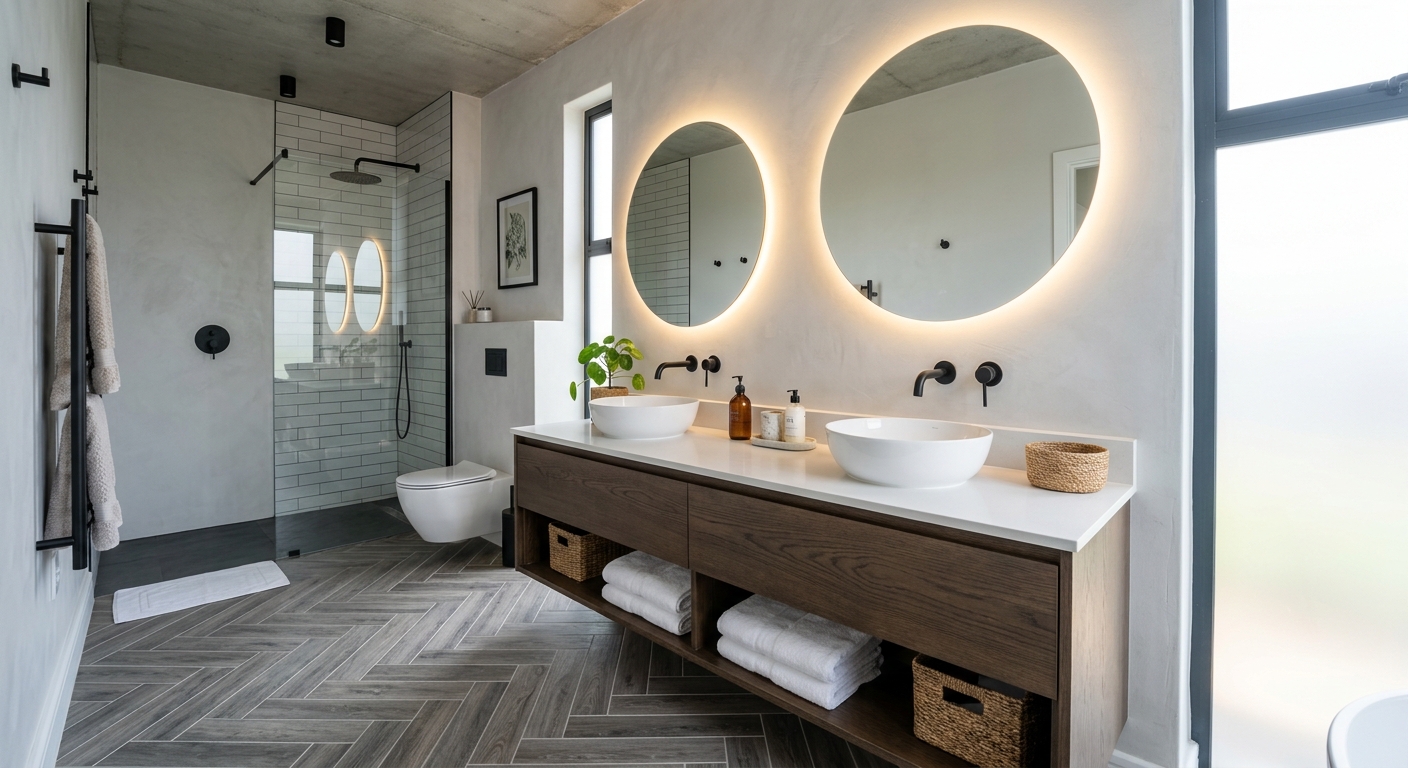
Bathroom renovation options and costs in Petawawa
Bathroom renovations in Petawawa are popular year-round, but the real pricing comes down to what you choose to change behind the walls. With 18,160 residents and a housing stock where 46.4% of homes were built before 1981 (Statistics Canada, 2021 Census), many upgrades start with older plumbing layouts—think cast-iron drains, dated shut-offs, and finishes that were installed long before modern waterproofing standards. In Kingston–Pembroke’s market, labour and the likelihood of hidden remediation tend to outweigh pure weather effects; you can still see meaningful schedule and cost swings when contractors open walls and find undersized venting, galvanized supply lines, or wiring that needs upgrading.
Petawawa’s winter freeze-thaw cycle also matters: bathrooms rely on solid ventilation and a properly sealed waterproofing system to protect subfloors and prevent moisture migration. That’s one reason contractor availability can feel tighter in peak seasons—crews prioritize jobs where waterproofing and tile timelines align. In neighbourhoods like West End Petawawa, where a lot of homes are older and similar layouts repeat, homeowners often see demand for both plumbing corrections and tile waterproofing packages.
To help you budget realistically, below are common bathroom renovation options and what they typically cover in this region. Use these as planning bands, then tighten the number once you confirm whether any plumbing, electrical, or waterproofing remediation is required.
| Renovation Scope |
What's Included |
Typical Duration |
Price Range |
| Cosmetic refresh (paint, fixtures, accessories only) |
New vanity top or vanity swap (no plumbing relocation), toilet/trim refresh if existing supply/drain locations stay, paint/caulking, hardware and lighting accessories, regrout only if minor, deep clean and sealing |
2–4 days |
$2,500–$6,500 |
| Mid-range full renovation (new tile, vanity, tub/shower, electrical) |
Demo and disposal, waterproofing system, wall and floor tile, new vanity and mirror, tub/shower surround or tiled alcove, new exhaust fan (ducted if needed), GFCI where required, basic plumbing refresh (valves, trim) with like-for-like rough-in, standard finishes |
2–3 weeks |
$15,000–$24,500 |
| High-end full renovation (custom tile, steam shower, heated floors) |
More extensive demo, upgraded waterproofing and floor prep, custom tile layouts (diagonal/complex), heated floor wiring and controls, steam-ready shower or luxury shower package, higher-tier fixtures, upgraded electrical scope (fan/heater circuits), niche built-ins, premium trim and grout detailing |
3–5 weeks |
$24,500–$32,000 |
| Shower-only installation (convert tub to walk-in shower) |
Demo and tub removal, shower pan/tiled base or quality prefab base (per spec), wall tile or surround, new curb or zero-threshold system, waterproofing upgrade, new exhaust fan tie-in if needed, plumbing adjustments (drain slope and valve location) to suit accessibility |
1.5–3 weeks |
$6,000–$12,000 |
| Bathtub replacement or tub-liner install |
Remove and set new tub (or install liner where appropriate), reseal waterproofing at seams, replace or refresh valve trim, regrout and recaulk, new access panel as needed, restore surround base |
3–8 days |
$1,200–$6,000 |
| Tile-only installation (floor + surround, existing layout kept) |
Tile floor and wall/surround only (no plumbing relocation), surface prep and flattening where needed, grout and silicone detailing, waterproofing correction if old system is compromised (varies by inspection) |
5–12 days |
$2,000–$10,000 |
Prices are estimates only and vary by project scope, site access and material selection.
What affects the price of bathroom renovation in Petawawa
If you get three quotes for the “same” bathroom, it’s common to see spread in the 30–50% range across the Kingston–Pembroke region and Ontario at large. The difference isn’t the climate; it’s labour availability, the regional habit of discovering hidden issues once walls open, and how much remediation is required to make the bathroom durable. In Petawawa, the age of local homes is a major driver—46.4% of homes built before 1981 (Statistics Canada, 2021 Census) often means more troubleshooting for drain and supply lines, plus ventilation that doesn’t meet modern expectations.
Older houses in this region can hide cast-iron or copper drain stacks that don’t meet current slope or have joint failures, plus galvanized supply lines that may need partial replacement. On the electrical side, adding an exhaust fan and bringing receptacles up to current safety expectations is routine, but it still takes time to route and connect properly. If asbestos-containing material is present—commonly in older vinyl flooring and some older drywall compounds—abatement protocols can add roughly $1,500–$5,000+ depending on extent and testing results.
Here are concrete examples I see in Petawawa: (1) a tub-to-shower conversion can land closer to the $6,000–$12,000 shower band when plumbing changes are limited to valve trim and drain alignment, but it jumps toward the upper end when you also need venting corrections. (2) Mid-range full renovations at $15,000–$24,500 stay predictable when tile is straightforward, but custom tile and floor heat push you into the high-end range near $24,500–$32,000 because floor prep and electrical labour expand.
| Price Factor |
Why It Matters |
Cost Impact |
| Layout change — moving drain or supply lines requires rough-in work |
New drain slope, valve height, and framing modifications increase demolition and plumbing time |
Often the biggest swing; can add several thousand dollars depending on access |
| Tile selection — large-format porcelain vs. mosaic vs. ceramic |
Harder tiles need more precise cutting, more prep for flatness, and longer setting time |
Mosaic and large-format precision layouts commonly add moderate-to-significant labour |
| Fixture tier — builder-grade vs. mid-range vs. designer brands |
Valve trim, faucets, and shower systems vary in installation steps and total product cost |
Product price can move budgets by thousands, even before labour differences |
| Subfloor condition — rot or unlevel concrete adds scope |
Moisture damage requires repairs; unlevel floors increase prep and thinset use |
Can move a project from mid-range to upper mid-range quickly |
| Electrical — adding GFCI outlets, exhaust fan, heated floor circuit |
Code-compliant connections and circuit planning take time; heated floors add materials and labour |
Typically incremental but noticeable for full renovations |
| Waterproofing method — membrane type and extent |
Complete coverage and correct transitions determine long-term mould and leak resistance |
Better systems cost more upfront but reduce expensive callbacks |
| Older-home surprises — asbestos tile, cast-iron drains, galvanized pipes |
Discovery triggers remediation, additional trades, and sometimes replacement of plumbing sections |
May add $1,500–$5,000+ (abatement) plus related plumbing labour |
| Bathroom size — sq ft drives tile and labour time directly |
More surface area means more waterproofing, more tile setting, more grout and sealing |
Scaling factor: larger bathrooms almost always cost more than the same scope in smaller spaces |
Permits & regulations in Ontario
In Ontario, many bathroom upgrades are considered “cosmetic” and typically do not require a permit—swapping fixtures without relocating plumbing (for example, replacing a vanity top, toilet, or tub trim in the same location) is usually straightforward. Repainting, new mirror, accessory installs, and even straightforward retiling over properly prepared surfaces are often handled without a permit, as long as you’re not altering plumbing routes, doing structural changes, or expanding electrical beyond the original scope.
Where permits do commonly apply: (1) relocating plumbing (moving a drain or supply lines), including converting a tub to a walk-in shower with valve/drain repositioning; (2) adding or modifying electrical circuits—especially when you add a new exhaust fan circuit, add heated floors, or install new wiring beyond simple replacement; and (3) structural wall changes, where you open framing or modify load-bearing areas. Electrical must be completed by (or signed off by) a licensed electrician, and plumbing rough-in changes generally require permit/inspection.
For homeowners in Petawawa, verify before work starts: check the contractor’s Ontario trade licence (if applicable to their trade), request a current certificate of insurance, and confirm WSIB/WCB coverage for their workers. Ask for the clearance letter or equivalent proof (not a verbal promise). Typically you’ll see it on their paperwork at bid time, and reputable contractors can show it immediately. If they can’t, that’s a red flag.
Choosing tile, waterproofing and fixtures for your Petawawa bathroom
In Petawawa, your bathroom budget is usually set by three choices: tile, waterproofing, and fixture tier. First, tile selection: entry-level ceramic tile can be a good value if you keep the layout simple, but it’s less forgiving on flatness and can chip or crack sooner if the substrate isn’t prepared well. Porcelain is denser and performs better for floors and wet areas; it’s still budget-conscious, especially when you choose a straightforward pattern. Natural stone (marble, travertine, slate) looks premium, but it often requires more careful sealing and the cost climbs quickly once labour is added for layout and finish consistency.
Second, waterproofing method matters more than most people expect for Ontario humidity and temperature swings. Paint-on systems may be fine for small, well-finished details, but for showers you usually want either a bonded sheet membrane or a professionally installed modern system (including correct transitions at niches, corners, and curbs). When waterproofing is done right, you reduce the risk of mould behind walls—an especially important outcome in older homes where ventilation may be weak.
Third, fixture tier affects both cost and day-to-day performance. Builder-grade valves and shower trims are typically cheaper up front, while mid-range and designer options often offer better controls, smoother finishes, and longer service life—important for resale because buyers notice leaks, pressure balance, and ease of use. A realistic example: upgrading from basic wall tile to porcelain can be worth it, but spending on heated floors only makes sense if you’re already doing a full remodel and the bathroom is used frequently; otherwise you may divert funds from waterproofing corrections that prevent the expensive failures.
| Material / Option |
Pros |
Cons |
Price Range |
| Ceramic tile (floor + walls) |
Cost-effective, good variety of colours and textures, simpler to match to existing décor |
Can be more prone to chipping; performance depends heavily on prep and grout choice |
$2,000–$5,500 |
| Porcelain tile (floor + walls) |
Denser and more moisture-resistant, better for floors and wet-area walls, holds up well over time |
Requires more precise installation for larger formats; premium colours cost more |
$4,000–$9,000 |
| Natural stone (marble, travertine, slate) |
High-end look, unique veining and texture, excellent resale appeal when installed and sealed properly |
Sealing/maintenance required; can be more expensive to fabricate and install |
$7,000–$12,000 |
| Frameless glass shower enclosure |
Modern look, visually expands small spaces, durable hinges/track systems when installed correctly |
Glass is heavier; needs accurate wall framing and waterproofing detailing |
$2,500–$7,500 |
| Prefab tub surround (acrylic) |
Quicker install, less tile cutting, good for budgets and faster turnarounds |
More limited style options; appearance depends on model and trim |
$1,200–$4,000 |
| Custom shower pan (tile or linear drain) |
Clean slope and premium drainage for walk-in showers, strong long-term waterproofing potential |
More labour-intensive; best results require correct substrate and membrane transitions |
$3,500–$12,000 |
How to choose a bathroom renovation contractor in Petawawa
Choosing the right contractor in Petawawa starts with proof, not promises. Verify their Ontario licensing for the work they’re doing, and request a certificate of insurance showing current liability coverage. For workforce protection, ask for WSIB/WCB proof (clearance letter or equivalent documentation) before signing—this helps ensure that if something goes wrong on site, you’re not left holding the bag.
Next, get 2–3 itemised written quotes that separate labour and materials (tile, waterproofing, fixtures, membrane, electrical/plumbing line items). A lump-sum quote often hides the real drivers of cost—like subfloor repair, membrane tie-ins, or permit/inspection time. Read exclusions line-by-line: does disposal include hauling? Is permit pulling included (and who pays associated fees)? Are drywall patching and paint included, or treated as extras after tile? Ask who supplies caulking, backer board/fasteners, and what waterproofing system is specified.
Warranty should be clear: confirm the workmanship warranty length and whether it’s transferable if you sell your home. Product warranties (fixtures, glass, shower parts) are usually separate and may require registration. For payments, never pay the full amount; a typical approach is 10–15% upfront and hold back the balance until key stages are complete—especially tile, waterproofing verification, and trim-out. Finally, get a start date and completion estimate in writing so schedule changes don’t become cost changes later.
- Ask for contractor licence details relevant to their scope and confirm it matches the job being proposed.
- Request liability insurance and keep the certificate for your records.
- Verify WSIB/WCB clearance (ask for the letter, not just an assurance).
- Get 2–3 itemised quotes (labour + materials), not just a single total.
- Confirm what permit(s) are required and whether permit pulling is included.
- Ensure disposal/haul-away is explicitly listed.
- Ask what waterproofing system and membrane transitions are specified.
- Check whether subfloor flattening/repair is included if tile requires it.
- Clarify electrical scope: GFCI, exhaust fan, and heated floor provisions if applicable.
- Confirm plumbing scope: are valves/trim included and are rough-in changes priced separately?
- Require a written timeline with key milestones (demo, rough-in, waterproofing, tile, trim).
- Review warranty terms: workmanship duration, exclusions, and whether transfer to a future owner is allowed.
In Petawawa, I’d treat these as red flags: vague scope statements (“builder will decide”), missing proof of insurance or WSIB/WCB documentation, quotes that don’t specify the waterproofing method, payment schedules that demand large upfront deposits (beyond 10–15%), and no clear start/completion dates in writing.
Frequently asked questions — bathroom renovation in Petawawa
What's the most common mistake homeowners make in bathroom renovations?
In Petawawa and across Ontario, the most common mistake is focusing on the look (tile, vanity, fixtures) while under-budgeting for the work that makes it durable: waterproofing details, substrate prep, and ventilation. Homeowners sometimes pick a beautiful finish and assume it can be installed over whatever is already there. In older homes—46.4% built before 1981 (Statistics Canada, 2021 Census)—there can be hidden plumbing issues, unlevel floors, or inadequate exhaust. That’s where costs can jump from a mid-range plan into a higher band. If you want a safe budget, ask your contractor to price waterproofing and any remediation line-items first, then choose finishes inside that envelope.
How long does tile installation take in a Petawawa bathroom?
Tile timelines in Petawawa depend on the size and complexity of your layout and how much prep is required, not on the calendar season alone. For most standard bathrooms, you can plan for roughly 5–12 working days for tile-only work, because proper prep and waterproofing cure times affect the schedule. In a mid-range full renovation, tile is usually coordinated across about 2–3 weeks total for the full project because waterproofing, plumbing/electrical rough-in, and trim-out must happen in sequence. If you’re doing large-format porcelain, complex patterns, or custom niche details, add time for precise cutting and alignment.
How much does a bathroom renovation cost in Petawawa?
Typical full bathroom renovations in Petawawa usually land in the mid-teens to low-thirties. For planning, a mid-range full renovation often sits around $15,000–$24,500, while higher-end work commonly moves toward $24,500–$32,000. These bands reflect what local crews commonly encounter in older housing stock—hidden drain/supply issues, ventilation corrections, and more labour for waterproofing tie-ins. If you’re staying cosmetic or doing limited tile, budgets can be lower. For example, tile-only installation can be in the $2,000–$10,000 band depending on scope and prep needs.
How long does a bathroom renovation take in Petawawa?
Project duration in Petawawa depends primarily on scope and whether plumbing/electrical and waterproofing corrections are required. A cosmetic refresh can be as short as 2–4 days. A typical mid-range full renovation commonly takes about 2–3 weeks, while higher-end custom work can take 3–5 weeks to coordinate tile details, membrane systems, and electrical components like heated floors. A shower-only conversion (tub to walk-in) is often about 1.5–3 weeks, because drain alignment, waterproofing, and enclosure fit-up need careful sequencing. Older homes may require extra time for remedial repairs discovered after demolition.
Do I need a permit for a bathroom renovation in Ontario?
Sometimes, yes—depending on what you change. In Ontario, cosmetic work like swapping fixtures in the same location (for example, replacing a vanity or toilet) typically doesn’t require a permit. Permits are commonly needed when you relocate plumbing (moving drain or supply lines), add exhaust fans with new electrical circuits, or make structural/wall changes. Electrical work must meet Ontario electrical code requirements and be done or signed off by a licensed electrician. Plumbing rough-in changes typically require permit/inspection. For your Petawawa project, ask your contractor to specify what permits are required before quoting, and confirm who pulls them.
What's the best tile for a bathroom in Petawawa?
“Best” depends on your budget and whether you’re focusing on durability, comfort, or appearance. In a bathroom, porcelain is usually the top choice for floors and wet areas because it’s denser and moisture-resistant compared with entry-level ceramic. If you want the premium look, natural stone can be beautiful, but it requires sealing and careful installation to protect against staining and water absorption. For a more balanced cost-performance plan, many Petawawa homeowners choose porcelain in the $4,000–$9,000 range for tile scope. Whatever you pick, the real deciding factor is whether it’s installed with the right substrate prep and a waterproofing system suited to Ontario’s dampness and winter temperature swings.