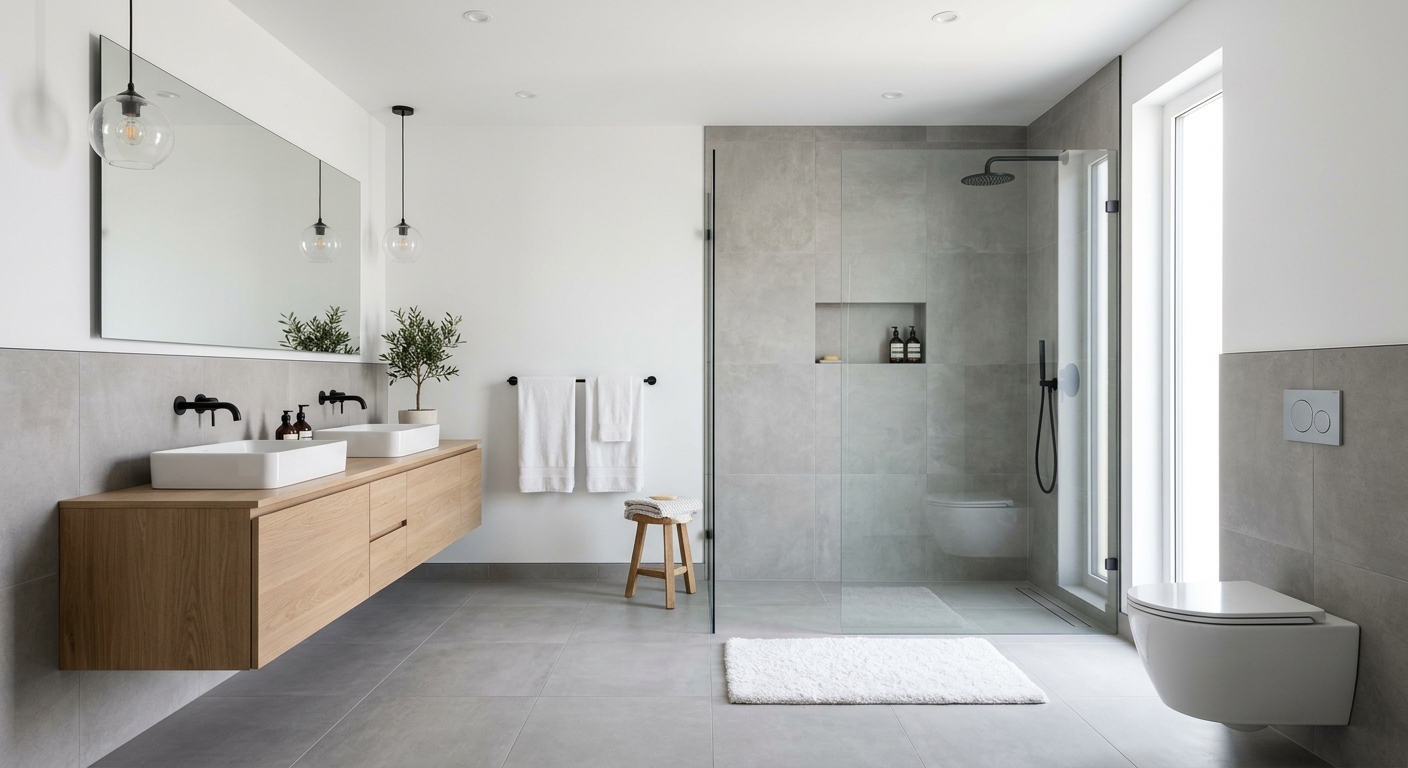
Bathroom renovation options and costs in Whitchurch-Stouffville
Whitchurch-Stouffville homeowners typically renovate bathrooms for comfort, resale appeal, and to correct older drainage and ventilation issues. With a population of 49,864 and a large share of owner households (14,695 homeowner households, 87.9% of households own) (Statistics Canada, 2021 Census), many projects are planned as long-term upgrades rather than short cosmetic changes. About 22.4% of homes were built before 1981, which is why bathroom budgets here often start with plumbing and fan venting review—older layouts can mean dated drain routes, undersized venting, and occasional discoveries like deteriorated subflooring.
In the Toronto economic region, costs are driven less by climate than by labour rates and housing age. Bathroom work is labour-intensive—especially when you’re tiling a shower, relocating plumbing, or correcting venting to current Ontario code. Skilled trades in the GTA also command premium hourly rates, so the same “3-piece update” can land at the low end or stretch toward the upper end depending on what opens up behind the walls and floors. Around Stouffville’s older neighbourhood pockets (including areas with post-war housing stock), demand is especially strong because many homes were built with simpler plumbing runs and smaller exhaust fans.
Below are realistic cost bands you can use to compare options quickly, then we’ll break down what affects pricing and how to read quotes.
| Renovation Scope |
What's Included |
Typical Duration |
Price Range |
| Cosmetic refresh (paint, fixtures, accessories only) |
Paint, mirror/lighting swap, toilet/vanity top or vanity swap (no plumbing relocation), hardware, caulking refresh; surfaces prepped for clean finishes |
3–7 days |
$3,500–$8,500 |
| Mid-range full renovation (new tile, vanity, tub/shower, electrical) |
Demo and rebuild, floor + wall tile, new vanity and faucet, recondition or replace tub/shower valve (as needed), exhaust fan upgrade, GFCI as required, basic plumbing refresh, new trim and fixtures |
2–4 weeks |
$12,000–$22,000 |
| High-end full renovation (custom tile, steam shower, heated floors) |
Custom shower system (tile or linear drain), heated floors, upgraded waterproofing system, premium valve/fixtures, designer lighting, extensive plumbing reroute/vent corrections if required, improved ventilation ducting |
4–7 weeks |
$22,000–$30,000 |
| Shower-only installation (convert tub to walk-in shower) |
Remove tub, install walk-in shower base/pan and tile surround, new valve trim, waterproofing, glass enclosure (if selected), adjust drain location where needed, exhaust/fan tie-in as required |
2–3.5 weeks |
$10,000–$18,000 |
| Bathtub replacement or tub-liner install |
Replace tub with new unit or install tub liner (where suitable), re-set surround/trim, caulking and sealing, basic plumbing adjustments for supply/drain connections |
5–12 days |
$1,200–$6,000 |
| Tile-only installation (floor + surround, existing layout kept) |
Tile demo and install only (no major plumbing relocation), waterproofing at wet areas, new grout/seals, update of trim and transitions as needed |
1–3 weeks |
$3,500–$12,000 |
Prices are estimates only and vary by project scope, site access and material selection.
What affects the price of bathroom renovation in Whitchurch-Stouffville
In Whitchurch-Stouffville and across the Toronto economic region, two homeowners can receive bids that differ by 30–50% for what sounds like the “same” bathroom. The reason is usually not climate—it’s labour rates, the age of the housing stock, and how many hidden issues appear once walls and floors come off. Labour-intensive tasks like tiling, plumbing rough-in, and waterproofing are also where premium GTA trade pricing shows up fastest. The market often prices for risk: older homes can hide problems that force licensed upgrades rather than “quick fixes.”
For many pre-1981 homes (22.4% locally) (Statistics Canada, 2021 Census), it’s common to find cast-iron or undersized drain sections that need upgrading, galvanized supply lines that don’t like newer fixtures, and ventilation that isn’t adequate for today’s humidity loads. If asbestos-containing materials are discovered—most often associated with older flooring/vinyl tile and some older compounds—abatement requirements can add roughly $1,500–$5,000+ to the budget depending on the area and how much is disturbed. Electrical work can also add cost if an updated exhaust fan circuit, GFCI protection, or heated-floor wiring is required.
Concrete examples I see frequently in Whitchurch-Stouffville: (1) converting a tub to a walk-in shower may push you from a mid-range full renovation budget toward the upper band when drain alignment and venting corrections are needed; (2) keeping the existing layout keeps plumbing labour down—so you might stay closer to the $12,000–$22,000 typical full-reno range rather than hitting $22,000–$30,000; (3) a small bathroom with large-format porcelain can cost more than you expect because cutting and installation time increase.
| Price Factor |
Why It Matters |
Cost Impact |
| Layout change — moving drain or supply lines requires rough-in work |
More demo, more labour for rough plumbing, and potential drain/vent corrections |
Often adds several thousand dollars; can push full-reno budgets toward the high end |
| Tile selection — large-format porcelain vs. mosaic vs. ceramic |
Material pricing and installer time for layout, cutting, and rectified edges |
Large-format can raise labour; mosaics can raise both labour and material costs |
| Fixture tier — builder-grade vs. mid-range vs. designer brands |
Valve trim, shower heads, toilets, and vanities vary widely in price and install complexity |
Typically shifts the total by thousands depending on brand and upgrades |
| Subfloor condition — rot or unlevel concrete adds scope |
Underlayment upgrades, plywood/underlayment replacement, and more prep work |
Can add moderate to significant costs if floor build-up is extensive |
| Electrical — adding GFCI outlets, exhaust fan, heated floor circuit |
New circuits require proper roughing and licensed electrical sign-off |
Commonly adds material + labour; heated floors raise the total |
| Waterproofing method — membrane type and extent |
Better waterproofing systems reduce future failure risk, but add material and prep labour |
May raise upfront costs but lowers long-term call-backs |
| Older-home surprises — asbestos tile, cast-iron drains, galvanized pipes |
Licensed abatement, disposal, and plumbing upgrades expand the scope quickly |
Asbestos discovery can add roughly $1,500–$5,000+; drain/vent corrections add more |
| Bathroom size — sq ft drives tile and labour time directly |
More wall/floor area means more waterproofing, more thinset/grout, more install hours |
Small bathrooms can land near the lower end; larger baths trend higher |
Permits & regulations in Ontario
In Ontario, the permit story depends on what you change. Cosmetic updates—like swapping a vanity, replacing a toilet, repainting, or retiling without moving plumbing—typically don’t require you to pull a permit. Where permits often become necessary is when you change the plumbing rough-in (for example, moving the toilet, relocating a drain or supply line, or modifying venting), or when you add/alter electrical systems (like installing a new exhaust fan that requires a new circuit, adding heated flooring, or adding GFCI protection where it’s not already compliant). Structural changes—like removing or modifying load-bearing walls—can also require permits and inspections.
For Whitchurch-Stouffville homeowners, the safest step-by-step verification is:
- Ask your contractor for their Ontario trade licence details (where applicable by trade) and confirm the number is current.
- Request a certificate of insurance showing liability coverage; ensure the name of the insured party matches the contractor on the quote.
- Ask for WSIB/WCB proof for their employees (or an equivalent clearance letter where applicable) so you’re not exposed to worksite liability.
- Verify these documents are included with the quote package before you sign.
- If plumbing/electrical is being altered, confirm the contractor will use the correct licensed trades and will complete required inspections.
- Check disposal and asbestos/abatement handling plans if the contractor anticipates older-material risk.
Tip: keep copies of insurance certificates and any clearance letters; they’re what you rely on if a claim ever arises.
Choosing tile, waterproofing and fixtures for your Whitchurch-Stouffville bathroom
In Whitchurch-Stouffville, bathroom renovation costs typically rise or fall based on three material decisions: tile, waterproofing, and fixture tier. The Toronto market has a wide range of styles available, but the “best” selection depends on your wet-area design and how long you want the finish to last in daily use. Because Ontario winters can drive strong indoor humidity swings and frequent condensation on bathroom surfaces, waterproofing quality matters as much as appearance.
First, tile choice: ceramic is an entry-level option that can look great, but it’s usually less robust than porcelain for high-moisture floors. Porcelain tends to be the sweet spot for value and durability—especially for floors and shower walls where you want fewer issues with chips and staining. Natural stone (marble, travertine, slate) looks premium but often needs more careful sealing and can be more expensive to install due to material handling and layout.
Second, waterproofing: paint-on membranes can work for some systems, but bonded sheet membranes or a proven tile-ready system (including compatible shower pans and crack isolation where needed) is where you reduce long-term mould and moisture risk. A correctly detailed waterproofing layer is what keeps grout lines from becoming a slow leak path.
Third, fixture tier: builder-grade fixtures are usually the easiest to budget for, while mid-range and designer brands can justify their cost through smoother valves, better finishes, and better-performing shower components. For example, upgrading a shower valve and trim as part of a mid-range full renovation might add a few hundred to a couple thousand dollars, but it can prevent dissatisfaction (and future rework) more than spending extra on high-end decorative tile.
Match your budget by pairing durable porcelain with a waterproofing system suited to your shower style, then allocate upgrade dollars to the parts you touch every day.
| Material / Option |
Pros |
Cons |
Price Range |
| Ceramic tile (floor + walls) |
Good entry-level look, wide colour range, easier to source matching trim pieces |
Less durable than porcelain for floors in some cases; may chip more easily if subfloor movement exists |
$3,000–$7,500 |
| Porcelain tile (floor + walls) |
High durability, often lower maintenance, consistent sizing for cleaner layouts |
Material cost is higher; premium looks can increase cutting/time for complex patterns |
$5,500–$12,000 |
| Natural stone (marble, travertine, slate) |
Luxury appearance, unique veining and texture |
Sealing/maintenance requirements; can be harder to install and more sensitive to movement |
$9,000–$18,000 |
| Frameless glass shower enclosure |
Brightens the space, modern look, easier to wipe down than framed systems |
Higher material and fitting cost; requires accurate shower geometry |
$2,500–$6,500 |
| Prefab tub surround (acrylic) |
Fast install, fewer tile labour hours, water-tight when installed correctly |
Less custom look; seams and profiles can limit design flexibility |
$1,200–$3,500 |
| Custom shower pan (tile or linear drain) |
Clean modern linear look or tailored slope to drain; supports a high-end tile finish |
More prep and waterproofing detail; can add complexity if layout needs changing |
$4,000–$12,000 |
How to choose a bathroom renovation contractor in Whitchurch-Stouffville
Start by confirming Ontario licensing and coverage before you compare prices. For trades that require licensing, ask for the licence details and verify they match the company doing the work. Liability insurance matters because water damage and jobsite accidents are real risks in bathroom renovations. You should also request WSIB/WCB coverage (or a current clearance letter) so you’re not stuck dealing with the cost if a worker is injured on your property.
When you request quotes, don’t accept one-line estimates. Ask for 2–3 itemised written quotes with a labour + materials breakdown (demo, framing/backer board, waterproofing, tile labour, plumbing rough-in, fixtures, and disposal). Confirm whether permits are included and who will pull them if required, and whether disposal and recycling are in the price. Read exclusions carefully: hidden areas like behind vanities, inside walls for repairs, and electrical upgrades are often where “scope creep” starts.
Warranty should be clear. Look for a workmanship warranty length for tiling and waterproofing and confirm product/manufacturer warranties are documented. Ask whether workmanship coverage is transferable if you sell your home. For payment schedule, never let a contractor take most of the money upfront—hold to roughly 10–15% at the start, then release payments as milestones complete. Finally, require a written start date and completion timeline that accounts for ordering glass, fixtures, and tile—common Toronto lead-time considerations.
- Provide Ontario licence details for the trades they use (not just the business name).
- Show liability insurance certificate before contract signing.
- Provide WSIB/WCB proof or clearance letter for workers.
- Give an itemised labour/material breakdown (not a single lump sum).
- State whether permits and inspections are included.
- List what disposal/dump fees are included.
- Specify waterproofing method and coverage (wet-area walls, floor transitions, corners/curbs).
- Confirm tile layout responsibility (who provides measurements, who adjusts for out-of-square walls).
- Include plumbing rough-in details: valve location, drain adjustments, venting review.
- Set a payment schedule tied to milestones (demo complete, rough-in signed off, tile waterproofed, final trim).
- Provide a workmanship warranty for moisture-critical work.
- Include a change-order process in writing so scope changes are priced before work proceeds.
Red flags to watch for in Whitchurch-Stouffville: a quote with no waterproofing specifics; “we’ll figure out the electrical later” language; refusal to provide insurance/WSIB documentation; payment demands higher than 10–15% upfront; and vague schedules that don’t account for glass/fixtures lead times or inspection steps.
Frequently asked questions — bathroom renovation in Whitchurch-Stouffville
What's the ROI on a bathroom renovation?
ROI depends heavily on how much you upgrade versus how much you fix. In Whitchurch-Stouffville, a bathroom that feels clean, bright, and functional tends to support resale value, especially in owner-heavy neighbourhoods where buyers expect modern waterproofing, safe electrical (GFCI), and dependable ventilation. If you stay within a realistic band—say a mid-range full renovation around $12,000–$22,000—the upgrade is usually easier to “justify” to future buyers than an aggressive high-end build. Where ROI drops is when renovations are over-custom, ignore layout practicality, or cut corners on waterproofing and ventilation. Renovations that address dated plumbing/venting and improve day-to-day function typically perform best in the Toronto market (Statistics Canada, 2021 Census).
Do I need waterproofing behind the tile?
Yes—behind the tile in shower areas and at minimum the wet wall zones, waterproofing is non-negotiable. In Ontario’s bathroom environments, steam and frequent condensation mean moisture must be controlled at the assembly level, not just with grout and caulk. A proper system typically includes a waterproofing layer compatible with your tile method and correct details at corners, niches, and floor-to-wall transitions. If you’re renovating older Whitchurch-Stouffville homes (including those built before 1981), you may also find uneven subfloors or older materials that can compromise adhesion, so waterproofing should be applied over properly prepped surfaces. Skipping waterproofing behind tile risks mould, soft tile backing, and eventual repairs that often cost more than doing it right the first time.
How do I compare bathroom renovation quotes?
Start by comparing scope line-by-line, not totals. Ask each contractor to provide an itemised breakdown for demo, waterproofing method, tile labour, plumbing rough-in work (including whether they expect drain/vent adjustments), and electrical items like exhaust fans and GFCI. Confirm what is included for permits, inspections, and disposal fees. If one quote is much lower—like landing near the low $12,000–$22,000 mid-range band when another is near $22,000–$30,000—the difference is often waterproofing quality, tile complexity, or whether plumbing and venting upgrades are expected. Finally, check warranty terms and workmanship coverage, especially for shower waterproofing and tile installation. That’s where long-term cost savings usually come from.
Can I live at home during a bathroom renovation in Whitchurch-Stouffville?
Often you can, but it depends on the sequence and whether you have a second bathroom. Many homeowners in Whitchurch-Stouffville live at home during a renovation by using a temporary wash setup (e.g., a functional tub/shower in the other bathroom, or a short-term arrangement during the demo/rebuild phase). If you’re doing a shower conversion or moving plumbing, expect days where the bathroom is unusable while rough-in is done and waterproofing cures—timelines can still be within typical ranges, but the bathroom can be out of service. If you’re planning major electrical and plumbing updates, give the contractor access time for inspections. A good contractor will provide a realistic start date, completion estimate, and daily work plan in writing.
What's the best bathtub material for a Whitchurch-Stouffville home?
The “best” material is usually the one that fits your install details and lifestyle. Common options include acrylic tubs (often the easiest/fastest replacement), and in some cases cast-styles or enamelled steel depending on availability and rough-in compatibility. For most renovations where you want a predictable install and clean finish, acrylic replacement tubs or properly selected tub-liner systems can be cost-effective—bathtub work often lands in the $1,200–$3,500 range when only the tub and immediate surround are addressed. If you’re converting to a walk-in shower, the bigger value is often in shower pan waterproofing and a good drain system rather than trying to preserve an older tub. In older Whitchurch-Stouffville homes, the priority is ensuring the drain/supply connections are sound and any damaged subfloor is corrected before the tub is set.
Is it worth renovating a bathroom before selling in Whitchurch-Stouffville?
Usually yes, but only if the renovation targets buyer priorities and matches the condition of your home. A small cosmetic refresh can help appearance, but if buyers notice outdated tile, weak ventilation, or signs of moisture, you may not get the full benefit. If your bathroom needs fixing rather than just styling, a mid-range full renovation around $12,000–$22,000 can be a strong balance of modern finishes and practical durability. If the layout requires major plumbing rerouting or the shower is failing, consider whether you’re solving the underlying problems (waterproofing, venting, drain condition) because those directly affect inspections and buyer confidence. For Whitchurch-Stouffville homes built in earlier eras (some before 1981), hidden issues behind walls can determine whether a “quick update” becomes a larger project—so get a contractor’s assessment before you commit to a timeline.