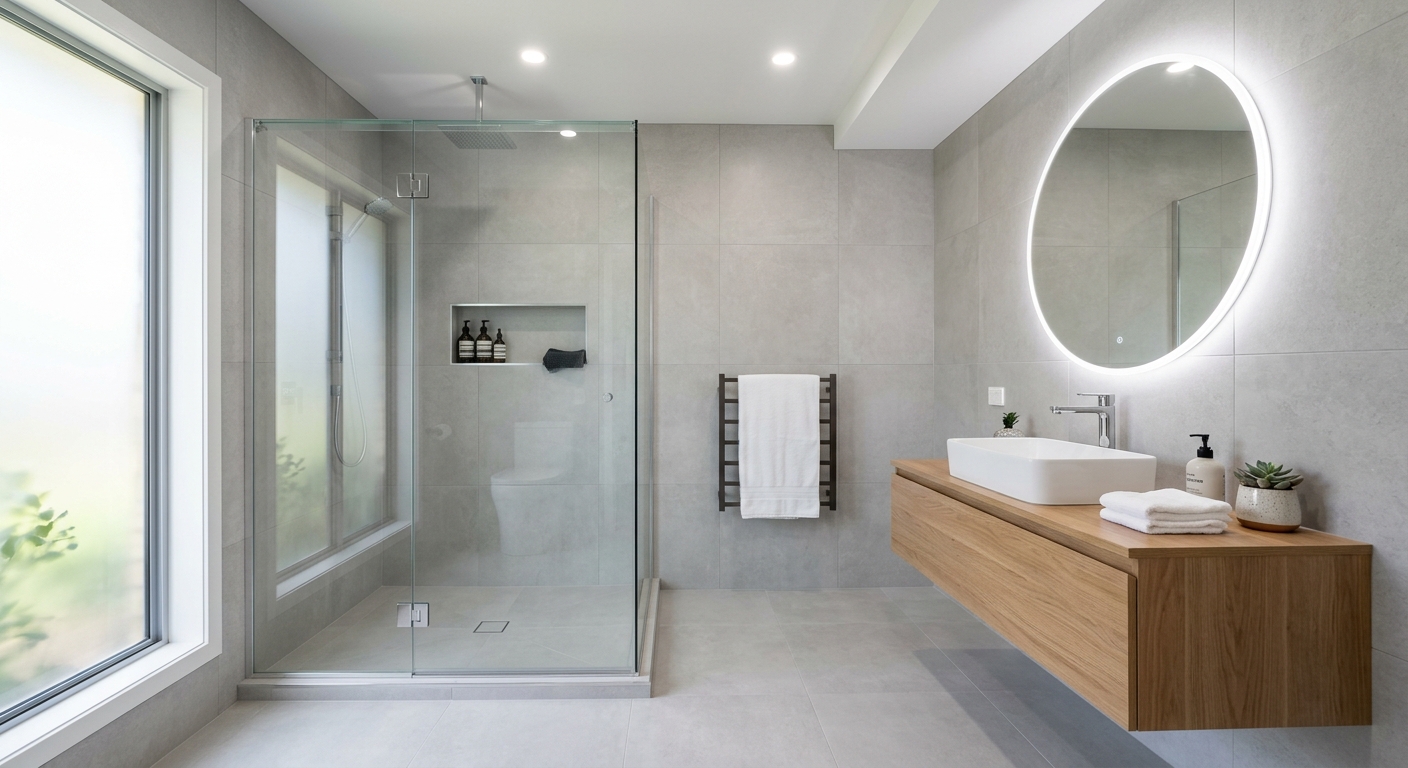
Bathroom renovation options and costs in Agincourt South-Malvern West
Bathroom renovations in Agincourt South-Malvern West, Ontario vary a lot by how much of the room you open up and rebuild. In a community with a 2021 population of 23,757 (Statistics Canada, 2021 Census), you’ll see many older post-war and 1960s–1980s homes where plumbing layouts and finishes were designed for different materials and ventilation standards than today. That matters because dated venting, cast-iron drain sections, and older floor tile can be uncovered once walls and floors are opened. In Toronto-area neighbourhoods like Malvern and portions of Agincourt, trades are especially busy because turnover is steady and many homeowners renovate within the same broader market window.
Even though bathroom renovation pricing here is not driven by “extreme weather” the way northern climates are, moisture control is still a must. Summer humidity and winter temperature swings put real stress on grout, caulking, and waterproofing details—so contractors price moisture-proofing and waterproofing systems carefully. Availability and labour premiums in the GTA also push pricing higher than many national averages. For example, a basic cosmetic refresh tends to sit near the lower end of local full-project ranges, while mid-range and high-end full renovations can jump quickly once plumbing/vent upgrades, electrical upgrades, and tile labour enter the scope.
Below is a practical comparison of common renovation paths and what you can realistically expect for timing and budget before we get into what drives those numbers in your quote.
| Renovation Scope |
What's Included |
Typical Duration |
Price Range |
| Cosmetic refresh (paint, fixtures, accessories only) |
Paint, new vanity or tap/trim where supply stops allow, lighting swap, accessories, re-caulking, optional deep clean and reseal of existing tub surround |
3–7 days |
$3,000–$7,500 |
| Mid-range full renovation (new tile, vanity, tub/shower, electrical) |
Demo and disposal, new vanity and toilet, new tub/shower surround tile, waterproofing and backer changes as needed, electrical for exhaust fan/GFCI and light, simple plumbing changes within the existing layout |
2–3 weeks |
$12,000–$22,000 |
| High-end full renovation (custom tile, steam shower, heated floors) |
Extensive waterproofing, custom tile work, heated floors (separate circuit), higher-tier fixtures, frameless glass, potential venting and drain corrections if discovered, upgraded electrical and premium lighting |
3–5 weeks |
$22,000–$30,000 |
| Shower-only installation (convert tub to walk-in shower) |
Remove tub, new shower pan and waterproofing, tile surround, new shower valves/trim, plumbing rough-in for new drain location if needed, exhaust fan/lighting refresh |
1.5–3 weeks |
$8,000–$15,000 |
| Bathtub replacement or tub-liner install |
Replace tub with like-for-like footprint (or liner if applicable), re-caulk and seal, new trim, minor tile touch-up, basic waterproofing and wall repairs |
5–10 days |
$1,200–$6,000 |
| Tile-only installation (floor + surround, existing layout kept) |
Tile removal/installation where required, waterproofing where surfaces are opened, floor tile plus wall surround within existing fixture positions, grout and caulk finish |
1–2.5 weeks |
$6,000–$13,000 |
Prices are estimates only and vary by project scope, site access and material selection.
What affects the price of bathroom renovation in Agincourt South-Malvern West
In the Toronto region, two homeowners can get quotes for the “same” bathroom reno that land 30–50% apart once you look at the details. The big drivers are regional labour rates and the age of the housing stock—more than the local climate itself. Toronto’s skilled trades command a premium hourly rate, and bathroom work is labour-intensive: tiling, plumbing rough-ins, waterproofing, and finishing take time. When you compare a cosmetic-only plan to a full renovation, the schedule and labour intensity change dramatically, and that’s why local full-reno budgets commonly fall in the low-to-mid five figures (often around the $12,000–$30,000 band).
Older homes in the GTA often hide surprises that inflate scope. For instance, you may uncover cast-iron or undersized drains that need upgrading, galvanized supply lines that require replacement, or venting that no longer meets current Ontario expectations. Another common budget spike in bathrooms is discovery of asbestos-containing materials in pre-1985 floor tile or drywall compound. If abatement is required, it can add roughly $1,500–$5,000+ depending on the extent and access, pushing your project closer to the upper part of the mid-range band or beyond.
Concrete examples we see in Agincourt South-Malvern West: (1) converting a tub to a walk-in shower often requires moving the drain and building a proper slope, which is why “shower-only” isn’t a small job—costs frequently land in the $4,000–$12,000 shower installation range. (2) replacing a vanity can be inexpensive if the rough-in is where it should be, but if it means modifying plumbing in walls, it can swing you toward a full-reno budget. (3) heated floors are a cost adder, but they’re usually justified when you’re already replacing the substrate and tile.
| Price Factor |
Why It Matters |
Cost Impact |
| Layout change — moving drain or supply lines |
Requires rough-in work, patching framing, possible venting correction |
Often adds several thousand dollars to labour and plumbing scope |
| Tile selection — large-format porcelain vs. mosaic vs. ceramic |
Harder cuts, higher waste rate, more careful substrate prep |
Can shift project by roughly $1,500–$5,000 depending on product and size |
| Fixture tier — builder-grade vs. mid-range vs. designer brands |
Better components reduce leaks and improve install tolerances; premium trims cost more |
Typical increase of $500–$4,000+ depending on brands and number of pieces |
| Subfloor condition — rot or unlevel concrete adds scope |
May require demo down to solid material, new backer/underlayment, and re-level |
Commonly adds days and can raise total by $1,000–$3,500+ |
| Electrical — adding GFCI outlets, exhaust fan, heated floor circuit |
Code-compliant wiring, fan ducting/vent path, and safe bonding |
Often adds $600–$3,000+ depending on distance and panel access |
| Waterproofing method — membrane type and extent |
Better membranes and correct detailing prevent mould and callbacks |
Usually $300–$1,500+ more, but can prevent much larger remediation |
| Older-home surprises — asbestos tile, cast-iron drains, galvanized pipes |
Triggers abatement, drain reconfiguration, and extra licensed trade time |
Can add $1,500–$5,000+ for abatement and “several thousand” for plumbing fixes |
| Bathroom size — sq ft drives tile and labour time directly |
More surface area means more waterproofing, more tiling hours, more materials |
Typically changes the renovation range by thousands of dollars |
Permits & regulations in Ontario
In Ontario, cosmetic updates in Agincourt South-Malvern West—like swapping fixtures, repainting, replacing a vanity in the same location, or retiling without changing plumbing routes—typically do not require a permit. Where projects change the “plumbing and power footprint,” permits and inspections are much more likely. Examples of work that does usually require a permit include: relocating drains or supply lines (moving a toilet, changing shower valve locations, rerouting vents), adding or moving electrical circuits (new exhaust fan wiring, heated floor circuits, and new GFCI-protected outlets), and any structural wall changes that affect framing.
For electrical, work must meet Ontario electrical code and be completed by a licensed electrician; the contractor should provide proof of the electrician’s licence and the completed work documentation. For plumbing rough-in changes, permits and inspections are commonly required because rough-in verification happens before walls are closed.
Here’s a homeowner-friendly step-by-step to verify a contractor in Agincourt South-Malvern West: (1) request their Ontario trade licence details and confirm they match the work they’re doing; (2) ask for a certificate of insurance showing liability coverage and ensure the coverage period is current; (3) confirm WSIB/WCB coverage if applicable to the trade, and request documentation; (4) get the job scope and permit responsibilities in writing—ask whether permit pulling is included or your responsibility; (5) verify that any electrical/plumbing subcontractors are also properly licensed and insured.
Choosing tile, waterproofing and fixtures for your Agincourt South-Malvern West bathroom
In Agincourt South-Malvern West, your bathroom budget is shaped by three material decisions: tile, waterproofing, and fixture tier. First, tile choice affects both material cost and installation complexity. Ceramic is usually your entry-level option, while porcelain offers better durability and fewer issues with staining in high-moisture areas; natural stone (marble, travertine, slate) looks premium but can require more care and precise sealing and detailing. Second, waterproofing method matters for mould prevention in Ontario’s indoor humidity cycles. A paint-on membrane can work for certain situations, but bathrooms that are being tiled over new substrates often benefit from bonded sheet membrane or a well-detailed system approach (including proper corners and transitions). The goal is continuous protection so water doesn’t reach framing and drywall.
Third, fixture tier drives long-term satisfaction and can affect install time. Builder-grade fixtures typically cost less up front, while mid-range and designer brands often have better valves, smoother finishes, and more consistent tolerances—reducing rework risk. If your plan is a straightforward full renovation around the $12,000–$22,000 band, you can justify mid-range porcelain and a strong waterproofing system while keeping fixtures practical. If you’re leaning toward $22,000–$30,000, heated floors and custom shower detailing can make the higher spend feel worthwhile.
A common dollar example: upgrading from ceramic to porcelain tile can add about $1,000–$3,000 once you account for product and extra labour time for layout and cuts. That increase is justified when you’re also upgrading waterproofing and planning a long service life, but it’s not the best first spend if you still have major plumbing or venting work to address.
| Material / Option |
Pros |
Cons |
Price Range |
| Ceramic tile (floor + walls) |
Good entry-level look, widely available colours and sizes |
Lower water absorption resistance than porcelain; can be more prone to staining with poor maintenance |
$3,000–$7,500 |
| Porcelain tile (floor + walls) |
High durability, better moisture performance, more forgiving for busy bathrooms |
Higher material cost; large-format porcelain requires careful substrate and layout |
$4,500–$10,000 |
| Natural stone (marble, travertine, slate) |
Luxury appearance and unique variation; strong aesthetic value for resale |
More prep and sealing considerations; harder to standardize colours and can raise installation time |
$8,000–$16,000 |
| Frameless glass shower enclosure |
Modern look, easy cleaning, increases perceived value |
Requires accurate measurements and strong framing/waterproofing execution |
$2,000–$6,500 |
| Prefab tub surround (acrylic) |
Fast install, fewer tile-cracking risks, clean modern lines |
Less custom look; seams still need careful sealing; may limit niche layouts |
$1,200–$3,500 |
| Custom shower pan (tile or linear drain) |
Better slope control and a high-end finish; linear drains improve modern aesthetics |
Labour-intensive waterproofing and detailing; requires accurate rough-in and drain alignment |
$4,000–$12,000 |
How to choose a bathroom renovation contractor in Agincourt South-Malvern West
Choosing the right contractor in Agincourt South-Malvern West starts with verification. Ask for proof of Ontario trade licence(s) that match the scope—especially if they’re doing electrical coordination, plumbing rough-in, or specialty tiling. Next, confirm liability insurance and request the certificate of insurance with coverage dates and limits. For work that involves employees or subcontractors, verify WSIB/WCB coverage documentation so you’re not exposed if someone gets injured on-site. If you don’t get these documents quickly, that’s a signal—bathrooms involve real demolition dust, wet-area waterproofing, and electrical/plumbing interfaces.
Then get 2–3 itemised written quotes, not one-page summaries. A good quote breaks down labour and materials separately (tile, waterproofing system, membranes, fixtures, disposal, and any permit-related steps). Read the scope carefully: is demo and disposal included? Who pulls the permit, if required? Are subfloor repairs and waterproofing upgrades included “as discovered,” or treated as extras? Warranty matters, too: look for a workmanship warranty (often 1–2 years in the market, longer for some systems) and understand the product/manufacturer warranty for tile, membrane, and fixtures—and whether coverage is transferable if you sell the home.
Finally, watch the payment schedule. Never pay more than about 10–15% upfront, and use a holdback until the job is complete and waterproofing/finish details are done. Request a start date and a completion estimate in writing so you can plan around trade availability in the GTA.
- Request Ontario licence details and confirm they align with the work being quoted.
- Ask for liability insurance certificate and verify coverage dates and limits.
- Confirm WSIB/WCB coverage documentation for the trade team.
- Get 2–3 itemised quotes with labour and materials separated.
- Make sure demo and disposal are explicitly included.
- Clarify what happens if asbestos-containing materials are found (process, cost range, timeline).
- Confirm the waterproofing method and whether it includes corners, transitions, and proper curing time.
- Ask who pulls permits and whether inspection fees are included.
- Verify electrical work includes GFCI protection and exhaust fan specs.
- Check warranty length for workmanship and whether it’s in writing.
- Hold back at least a portion of payment until caulking, trim, and final sealing are complete.
- Get a written start date and a completion estimate, not just “as soon as possible.”
Red flags I see in Agincourt South-Malvern West: vague scopes that lump labour “as required,” no proof of insurance or licensing, quotes that don’t mention waterproofing details, refusal to put permit responsibility in writing, and payment requests that exceed 10–15% upfront without a clear deposit rationale.
Frequently asked questions — bathroom renovation in Agincourt South-Malvern West
How do I prevent mold in a Agincourt South-Malvern West bathroom?
Mould prevention in Agincourt South-Malvern West is about controlling moisture paths, not just wiping surfaces. Start with proper waterproofing behind the tile and at transitions (corners, niches, and tub/shower edges), because even small leaks can keep framing damp. Ensure the bathroom has an effective exhaust fan that vents properly; steam from showers needs fast removal, especially during Ontario’s humid indoor periods. Use correctly applied grout and caulk—fresh caulk at wet edges matters as much as the tile. Finally, plan for good airflow: run the fan during and after showers and keep vents unblocked. If you’re budgeting, don’t cut corners—mid-range full renovations around $12,000–$22,000 often include the waterproofing and ventilation upgrades that make mould less likely long-term.
What adds the most resale value in a bathroom reno?
Resale value in Ontario bathrooms typically comes from improvements that buyers can “see and feel” immediately: modern fixtures, clean tile work, and a functional layout that doesn’t hide maintenance issues. In the Toronto market, buyers also appreciate evidence of proper waterproofing and ventilation (especially a correctly installed exhaust fan and high-quality shower waterproofing details). Upgrading from builder-grade finishes to durable porcelain tile can help, but the bigger value comes from getting the wet-area done right—pan, membrane, and sealing. If you’re converting a tub to a walk-in shower, that can add appeal, but only if the plumbing rough-in and drain slope are correct. As a realistic planning benchmark, many homeowners start with a mid-range full renovation around $12,000–$22,000 and upgrade finishes from there depending on how much of the room they’re rebuilding.
Can I keep my existing plumbing layout to save money?
Yes—keeping your plumbing layout is one of the best ways to control cost in Agincourt South-Malvern West. When you don’t move drains and supply lines, you reduce rough-in labour and patching, and you avoid many permit/inspection steps that come with relocation. It also lowers the chance you’ll uncover additional hidden issues (like old drain sections) beyond what’s already exposed. That said, “keeping layout” doesn’t mean ignoring functionality: if vents are inadequate or drains show corrosion, upgrades may still be necessary once walls open. A shower-only project that stays close to the existing valve and drain location can land closer to the lower end of the shower installation range, whereas moving everything tends to push you toward a full renovation budget such as $12,000–$30,000 depending on finishes and whether plumbing/venting corrections are required.
How much does a walk-in shower cost in Agincourt South-Malvern West?
A walk-in shower cost in Agincourt South-Malvern West depends mainly on whether the drain location changes, how complex the tile detailing is, and what waterproofing system is used. A straightforward tub-to-shower conversion with good access often fits within the local shower installation band of about $4,000–$12,000. If you’re adding a custom shower pan with linear drain, frameless glass, upgraded waterproofing, and electrical touches like better lighting or a new exhaust fan circuit, the project commonly trends toward the upper part of that range. If you discover older drain issues, venting deficiencies, or moisture-related substrate damage during demo, costs can rise further. For a better apples-to-apples comparison, ask contractors to itemise waterproofing, pan construction, glass, tile labour, and plumbing changes separately.
What's the ROI on a bathroom renovation?
ROI in a bathroom reno is hard to guarantee because it depends on the condition of competing homes, the buyer segment, and your finish choices. In the Toronto economic region, the best “return” comes from eliminating functional problems (leaks, poor ventilation, dated plumbing), then selecting durable finishes that won’t look worn quickly. Buyers tend to respond strongly to a clean wet-area upgrade: modern tilework, reliable shower valves, good waterproofing practices, and fixtures that feel current. High-end features like heated floors and steam can be attractive, but they may not return dollar-for-dollar if the rest of the home isn’t similarly updated. Practically, many homeowners aim for a mid-range full renovation (often in the $12,000–$22,000 band) as a value-balanced starting point, then decide on upgrades based on how much of the plumbing/electrical work is already being done.
Do I need waterproofing behind the tile?
In almost all tiled wet areas, yes—waterproofing behind the tile is essential, not optional. In Agincourt South-Malvern West bathrooms, moisture is a constant due to shower steam and bathroom humidity, and Ontario’s indoor conditions make proper wet-area protection a long-term need. Waterproofing should cover the correct surfaces and transitions, including corners, seams, and any changes of material. Whether you choose a bonded sheet membrane, a system approach like schluter-style components, or a paint-on membrane depends on the substrate and the specific assembly, but the key is correct installation and curing time. Contractors should also address ventilation to reduce condensation risk. If you’re planning a renovation, budgets for full scope work commonly sit around the local full-reno range of $12,000–$30,000, because waterproofing details plus labour time are a significant part of why it lasts.