Bathroom renovation options and costs in Mimico
Bathroom renovations in Mimico, Ontario usually come down to three things: the finish level you want, how much plumbing and electrical work is required, and what your home’s age hides behind the walls. In Mimico, the housing stock skews older in many pockets of the neighbourhood—Statistics Canada reports a population of 33,964 for Mimico (Statistics Canada, 2021 Census)—and that typically means more post-war or 1960s–1980s layouts. Those eras often include dated drain routes, limited venting, and finishes that may not meet today’s waterproofing expectations, which can push labour-heavy tasks into higher scopes. In addition, it’s not uncommon to uncover asbestos-containing materials when surfaces are opened up, especially in older floor tile systems.
Unlike regions where weather volatility drives costs, Toronto’s bathroom pricing is driven more by labour demand and trade availability than “climate swings.” That said, the local humidity and frequent temperature changes make waterproofing quality non-negotiable. When contractors plan a full renovation, they’re also balancing strict scheduling across the GTA, and that labour premium is reflected in typical budgets. This is especially noticeable in trade-demand pockets near Etobicoke waterfront areas and Humber Bay, where many older homes are being refreshed as owners prepare for family use or resale.
Below are realistic renovation tiers you can use to benchmark quotes, before your contractor confirms what’s required once walls and floors are opened.
| Renovation Scope |
What's Included |
Typical Duration |
Price Range |
| Cosmetic refresh (paint, fixtures, accessories only) |
New vanity top or vanity swap (no plumbing relocation), toilet/vanity faucet replacement, paint, mirror/accessories, re-caulking, deep clean, spot repairs |
3–7 days |
$3,000–$7,000 |
| Mid-range full renovation (new tile, vanity, tub/shower, electrical) |
Remove/replace tile floor and surround, new vanity and lighting, tub or standard shower refresh, waterproofing system, exhaust fan upgrade, GFCI where needed, disposal and subfloor corrections |
2–4 weeks |
$12,000–$20,000 |
| High-end full renovation (custom tile, steam shower, heated floors) |
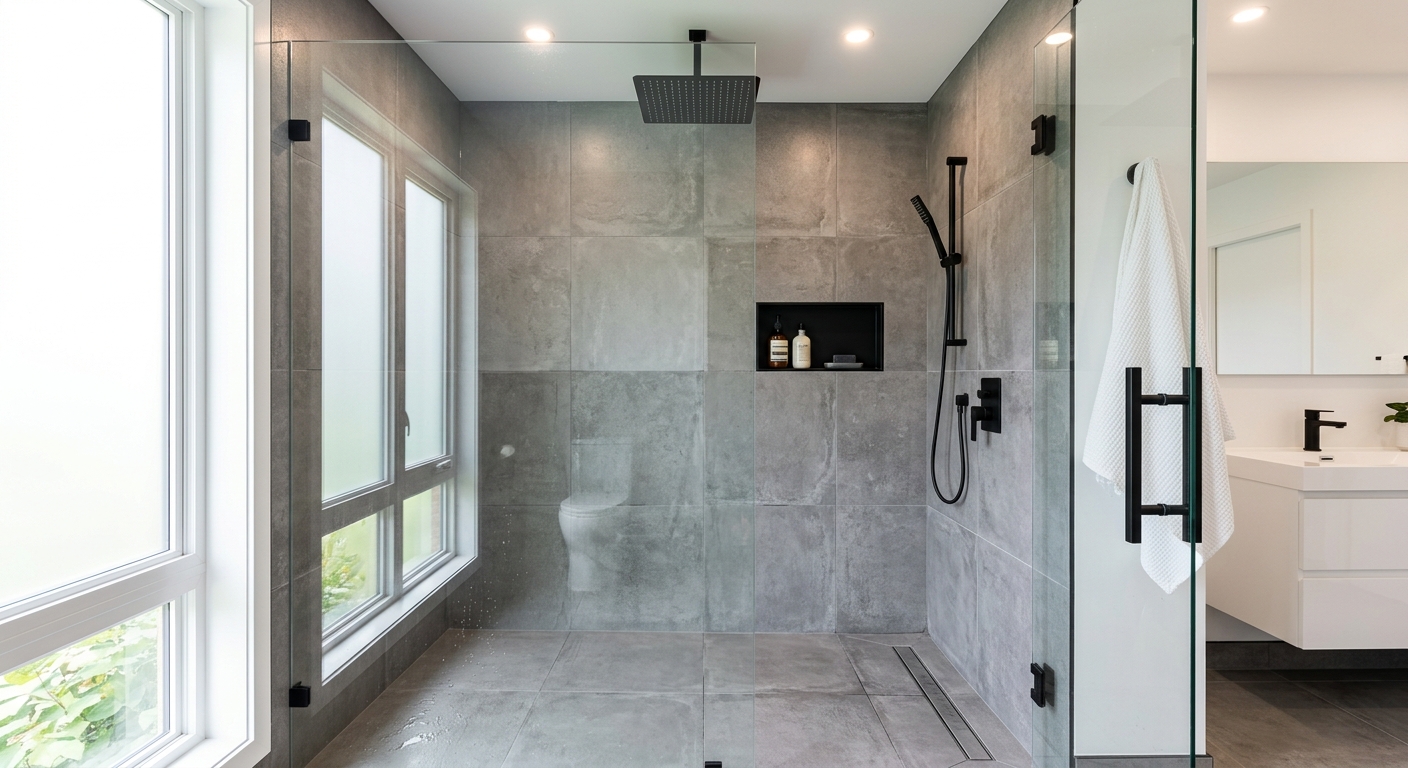
Custom walk-in shower with premium tile, steam-ready plumbing allowances, linear drain option, heated floor prep, designer fixtures, upgraded electrical and ventilation, extensive waterproofing and waterproofing testing |
4–6 weeks |
$20,000–$30,000 |
| Shower-only installation (convert tub to walk-in shower) |
Demo tub and surround, re-plumb rough-in changes, new shower pan and waterproofing, tile or niche, glass enclosure allowance, exhaust fan tied into updated circuit as required |
1.5–3 weeks |
$10,000–$16,000 |
| Bathtub replacement or tub-liner install |
Remove and replace tub (or liner install where appropriate), new faucet and trim, recaulking, minor tile touch-ups, leak testing, basic ventilation checks |
3–10 days |
$1,200–$3,500 |
| Tile-only installation (floor + surround, existing layout kept) |
Remove existing tile, prepare substrate, install new waterproofing and tile floor/surround, grout/seal, modern caulking, keep current plumbing locations |
1.5–3 weeks |
$6,500–$13,500 |
Prices are estimates only and vary by project scope, site access and material selection.
What affects the price of bathroom renovation in Mimico
Even when two homeowners ask for the “same” bathroom renovation in Toronto-area cities, quotes can land 30–50% apart. In the Mimico area, that spread is mostly driven by regional labour rates and the age and condition of the housing stock, not by weather the way it might in colder or wetter regions. Toronto-area skilled trades charge premium hourly rates because demand is high, and bathroom work is labour-intensive—especially tile setting, custom shower builds, and any rough-in plumbing changes. When you combine that with older drain routes and missing venting, the scope can quietly expand from “finishes” into “repair and reconfigure,” pushing a project toward the low-to-mid five-figure full renovation range (often $12,000–$20,000).
Older homes in the GTA commonly hide challenges such as cast-iron drain stacks or undersized drainage that needs updating, galvanized supply lines that restrict flow, and insufficient ventilation that affects drying and mould risk. If asbestos-containing materials show up—such as in older vinyl floor tile or mastic systems—abatement protocols can add roughly $1,500–$5,000+, depending on access, extent, and how much material is affected.
Two practical Mimico examples: (1) keeping the existing tub footprint usually keeps your drain rework minimal, often making a mid-range shower/tub renovation feasible near the lower end of the local bands; (2) switching to a linear drain or moving the shower location usually requires more membrane detail, slope changes, and rough-in adjustments, which commonly nudges the budget toward the upper end (close to $20,000–$30,000 for high-end full renovations). On top of that, plywood vs. rotted subfloor or out-of-level concrete can add labour quickly because the floor must be corrected before tile can be set.
| Price Factor |
Why It Matters |
Cost Impact |
| Layout change — moving drain or supply lines requires rough-in work |
More demolition, plumbing labour, vent/drain corrections, and sometimes new access panels |
Often +$3,000–$8,000 |
| Tile selection — large-format porcelain vs. mosaic vs. ceramic |
Harder materials take longer to cut, set, and finish; larger tiles demand flatter substrates |
Often +$1,000–$5,000 |
| Fixture tier — builder-grade vs. mid-range vs. designer brands |
Higher-end fixtures cost more and can require matching trim sizes and plumbing allowances |
Often +$500–$3,000+ |
| Subfloor condition — rot or unlevel concrete adds scope |
Water damage and uneven floors must be corrected for waterproofing and tile warranty |
Often +$1,000–$6,000 |
| Electrical — adding GFCI outlets, exhaust fan, heated floor circuit |
Bathrooms require compliant protection and ventilation; heated floors add material and wiring |
Often +$800–$4,500 |
| Waterproofing method — membrane type and extent |
Better membranes and more coverage reduce call-backs and mould risk in humid Toronto conditions |
Often +$600–$3,500 |
| Older-home surprises — asbestos tile, cast-iron drains, galvanized pipes |
Hidden remediation and re-pipe work triggers licensed trades and additional inspections |
Often +$1,500–$10,000+ |
| Bathroom size — sq ft drives tile and labour time directly |
More wall and floor area equals more prep, setting time, and grout/seal labour |
Often scales +$2,000–$9,000 |
Permits & regulations in Ontario
In Ontario, many “like-for-like” bathroom updates are treated as cosmetic and typically do not require a permit. For Mimico homeowners, that usually means swapping fixtures without moving plumbing: replacing a vanity or vanity top, changing the toilet, updating faucets/trim, repainting walls, replacing a mirror, and re-caulking—especially when you keep the existing drain and supply locations. Re-tiling a shower or floor can be considered part of finishing work as long as you’re not changing structural walls.
Permits are commonly required when you relocate plumbing (moving the drain or supply lines, changing venting, or altering rough-in pathways), add or modify electrical circuits (like adding a new bathroom exhaust fan circuit or installing heated floors), or make structural changes (opening walls to the point that you alter framing or load paths). Electrical work must comply with the Ontario electrical code and be completed or signed off by a licensed electrician. Plumbing rough-in changes typically require a permit and inspection before closing walls.
To verify a contractor in Mimico, ask for three things and check them before you book: (1) Ontario trade licence (search the relevant online registry for their contractor licence status); (2) certificate of insurance including general liability—confirm the effective dates and that it covers renovation work; and (3) WSIB/WCB coverage for workers—request clearance documentation or the insurer proof letter. If they can’t provide documentation up front, that’s a red flag.
Choosing tile, waterproofing and fixtures for your Mimico bathroom
In Mimico, your bathroom reno budget is usually decided by three material choices: tile, waterproofing, and fixtures. Start with tile because it drives both labour and risk—ceramic tile is the entry option, but it’s less forgiving for demanding shower waterproofing details. Porcelain is a common mid-range choice in the GTA because it’s denser and typically performs better in wet areas. Natural stone (marble, travertine, slate) can look stunning, but it often increases cost and requires careful sealing and consistent substrate prep to avoid staining and lippage.
Next is waterproofing, which matters more in Ontario’s bathroom environments than most people expect. The goal is consistent, continuous coverage behind the tile so moisture can’t migrate into framing and subfloor. A paint-on membrane is simpler for some wall applications, but many homeowners prefer a bonded sheet membrane or a proven system approach (including proper overlaps and attention to transitions) to reduce mould risk—especially around niches, tub-to-shower transitions, and floor/wall corners.
Finally, fixtures: builder-grade can help you stay closer to mid-range budgets, while designer brands often increase both material cost and sometimes installation complexity. For example, upgrading from a standard shower valve and trim set to a higher-tier system may be worth it if you’re already in the $12,000–$20,000 renovation zone and will be using the shower daily. But if your scope is mostly cosmetic, jumping straight to luxury stone without changing waterproofing quality can be money spent without extending the life of the bathroom.
| Material / Option |
Pros |
Cons |
Price Range |
| Ceramic tile (floor + walls) |
Good entry price, wide style selection, familiar install process |
Not always as durable as porcelain in wet/traffic zones; higher risk of chipping if substrate prep is off |
$3,000–$7,000 |
| Porcelain tile (floor + walls) |
Denser and more water-resistant, typically better for showers and busy households |
Heavier tiles mean stricter prep; premium sizes can be slower to cut and set |
$4,500–$10,000 |
| Natural stone (marble, travertine, slate) |
Luxury look, unique veining, premium feel |
Higher labour and finishing; requires sealing and extra care; substrate must be very stable |
$7,000–$16,000 |
| Frameless glass shower enclosure |
Modern appearance, visually opens small bathrooms, easier to clean |
Costs more for custom sizing; needs precise wall alignment and waterproof sealing at edges |
$1,800–$6,000 |
| Prefab tub surround (acrylic) |
Fast installation, fewer grout lines, good for tight budgets |
Limited style flexibility; not as “custom” as full tile; transitions still need careful sealing |
$700–$2,500 |
| Custom shower pan (tile or linear drain) |
Durable, built-in style; linear drains improve water management and look |
More labour for slope/floor build-up; higher waterproofing precision demands |
$1,500–$7,000 |
How to choose a bathroom renovation contractor in Mimico
When you choose a contractor for a bathroom in Mimico, treat licensing and insurance checks as part of the “quote” process, not an afterthought. In Ontario, verify three core items: (1) their Ontario trade licence (as applicable to their scope), (2) liability insurance through their certificate of insurance (confirm coverage limits and that renovation work is included), and (3) WSIB/WCB coverage—request proof/clearance documentation for their workers. If they only provide promises or outdated certificates, don’t proceed.
Next, insist on 2–3 itemised written quotes that break down labour and materials. You want to see tile labour separate from waterproofing, and plumbing/electrical rough-in separate from fixtures. Watch for exclusions: permit pull responsibility, disposal, protection of floors, drywall patching, and whether asbestos/hidden material handling is included or billed as discovery.
Warranty matters just as much as price. Ask for the workmanship warranty length, whether it’s backed by the contractor, and what happens if there’s a leak. Also confirm product/manufacturer warranties and whether your homeowner documentation can be transferred if you sell the home. For payment schedule, avoid large deposits—typically keep it to 10–15% upfront, then hold back until key milestones are complete. Finally, get the schedule in writing with a start date, completion estimate, and allowance for demolition and permit lead times.
- They provide an itemised scope, not a one-page lump sum.
- Waterproofing method and coverage details are written into the scope.
- Electrical and plumbing scopes are clearly assigned (and by a licensed trade where required).
- Disposal and dump fees are included or explicitly excluded.
- Permit responsibility is spelled out before work starts.
- They list specific products/brand lines for fixtures and tile (or an allowance amount with options).
- They confirm whether they will protect flooring and nearby finishes during demo.
- They include leak testing steps and waterproofing cure times in the timeline.
- They show how they handle subfloor corrections if rot/deflection is found.
- They state how change orders are priced and who approves them.
- They provide warranty terms in writing and explain claim process.
- They agree to a milestone-based payment plan with a holdback.
Red flags I see too often in Mimico: a contractor who won’t put waterproofing and permit responsibility in writing, quotes that ignore potential hidden conditions (no allowance for discovery), very low pricing that doesn’t match Toronto labour costs, pressure to pay a large deposit, and vague timelines like “soon” without a start and completion date.
Frequently asked questions — bathroom renovation in Mimico
What's the ROI on a bathroom renovation?
Bathroom renovations can improve day-to-day enjoyment and resale appeal, and in Ontario’s competitive buyer market a well-finished, properly waterproofed bathroom tends to hold value better than a purely cosmetic refresh. That said, ROI depends heavily on scope: a quality mid-range full renovation often lands in the $12,000–$20,000 band, while higher-end work can push toward $20,000–$30,000. Buyers in Mimico typically pay attention to waterproofing quality, ventilation, and layout practicality (like adequate storage and a functional shower). If your current plumbing/venting is problematic, fixing it during renovation is usually the smartest “ROI” decision because it reduces future repair risk. Always ask your contractor to document waterproofing and leak-testing steps—those details support resale confidence.
Do I need waterproofing behind the tile?
In practice, yes—waterproofing behind the tile is what protects your walls and subfloor from moisture migration, and it’s especially important in Toronto-area bathrooms where humidity and shower steam create frequent wet conditions. Even if your wall surfaces look fine today, grout and tile joints can allow water to travel if the assembly isn’t designed to stop it. A reputable Mimico contractor will include a waterproofing system appropriate to your shower/tub design: membrane type, coverage of critical seams, and treatment at corners, niches, and transitions. This is a major reason bathroom costs can differ by 30–50% across quotes—some contractors use minimal systems, while others specify full coverage and proper overlaps.
How do I compare bathroom renovation quotes?
Compare quotes like you’d compare apples to apples. Ask each contractor for an itemised breakdown: demo, rough-in plumbing changes, electrical, waterproofing system (type and extent), tile labour, glass enclosure, disposal, and permit responsibility. Also check what’s included in the price—some quotes hide disposal and protection costs, while others include them up front. Make sure timelines and assumptions match (bathroom size, access constraints, and whether subfloor replacement is expected). In Mimico and the broader Toronto economic region, labour intensity is the biggest driver, so a “low” quote can signal reduced scope, limited waterproofing, or fewer contingencies for older-home surprises.
Can I live at home during a bathroom renovation in Mimico?
Often yes, but it depends on your plumbing layout and whether it becomes a “full bathroom” tear-out. For cosmetic work or a tub replacement, many homeowners stay home using another bathroom. During a mid-range full renovation (commonly $12,000–$20,000), you may have limited access because tile demo, rough-in updates, and waterproofing cure times require careful work in the space. If the renovation includes relocating drains/supplies or electrical, expect a longer period where the bathroom is out of service. Plan a workable setup: use a different bathroom, protect the area with dust barriers, and confirm whether the contractor provides temporary fixtures or access options.
What's the best bathtub material for a Mimico home?
For most Mimico homeowners, the “best” bathtub material depends on what you value: durability, comfort, and installation speed. Acrylic tub replacement or liners can be cost-effective and install faster, which can help keep budgets closer to the $1,200–$3,500 bathtub replacement/tub-liner band when the plumbing doesn’t need major relocation. Cast iron is extremely durable but heavier and more labour-intensive to handle. On the practical side for older GTA homes, acrylic systems are often easier to integrate with existing rough-in conditions. The bigger decision is whether you’re replacing the whole tub or converting to a walk-in shower—shower-only conversions often require more rework, especially with drainage and waterproofing.
Is it worth renovating a bathroom before selling in Mimico?
It can be worth it, especially if your current bathroom has dated finishes, functional issues (poor ventilation, slow drains, failing caulking), or visible moisture problems. A buyer in Mimico wants to feel confident about waterproofing and cleanliness, not just “new tile.” If you’re starting from an older 1960s–1980s style layout, fixing plumbing venting/drain issues during renovation reduces the chance of delays or inspection issues during sale. In ROI terms, consider staying in a mid-range renovation tier—often $12,000–$20,000—and directing spend to waterproofing, ventilation, and a sensible layout. Overbuilding into luxury can be harder to recoup if the rest of the home doesn’t match, but a well-executed waterproofed shower and modern fixtures generally improve buyer confidence.