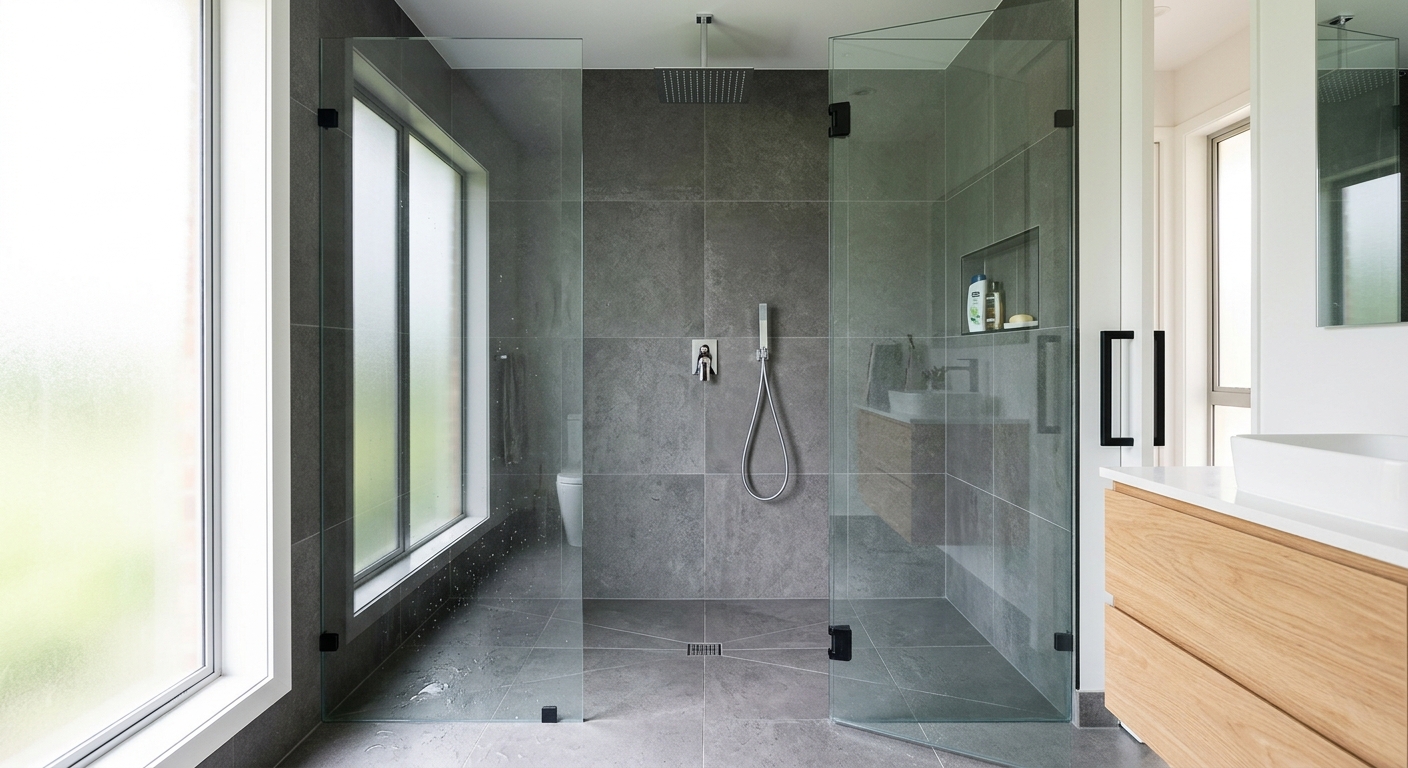
Bathroom renovation options and costs in Uxbridge
Uxbridge homeowners typically have a few proven paths for updating a bathroom, but the right one depends on how much you’re willing to open walls and rework plumbing. With 42.3% of homes in the area built before 1981 (Statistics Canada, 2021 Census), many renos start as “just refresh the look” and then shift once installers see dated drain routing, older venting, or materials that aren’t up to today’s Ontario expectations. In the Toronto economic region, pricing is driven much more by labour intensity and trade availability than by climate extremes—yet the work is still time-critical because bathrooms must be properly ventilated and waterproofed to prevent moisture issues over Ontario winters.
In Uxbridge, the market demand for skilled bathroom trades is especially steady in the older, established pockets near downtown and along main commuter corridors where many homes are post-war and mid-century. That demand matters: skilled tilers, plumbers, and electricians in the Toronto area command premium hourly rates, and bathroom jobs often involve multiple licensed trades plus careful scheduling to keep the bathroom usable. Once walls come down, it’s not unusual to uncover cast-iron or undersized drains, galvanized supply lines, or—occasionally—materials consistent with asbestos-containing products in older floor finishes. Those surprises are a major reason realistic GTA budgets often land in the low- to mid-five-figure range for a standard full 3-piece reno.
Below is a practical comparison of common scopes and price bands, so you can quickly benchmark quotes against typical Uxbridge projects before you compare line-by-line.
| Renovation Scope |
What's Included |
Typical Duration |
Price Range |
| Cosmetic refresh (paint, fixtures, accessories only) |
Paint, new vanity top or vanity swap (no plumbing moves), toilet refresh (if replacing in same location), mirror, towel bar, hardware, caulking and trim touch-ups; does not include new tile or major waterproofing. |
2–4 days |
$2,500–$6,000 |
| Mid-range full renovation (new tile, vanity, tub/shower, electrical) |
Remove existing finishes; new tile floor and tub surround, vanity and sink, ventilation fan upgrade, new LED lighting or GFCI where required, updated waterproofing system, basic plumbing refresh (often with shut-offs), and disposal. |
10–16 working days |
$12,000–$20,000 |
| High-end full renovation (custom tile, steam shower, heated floors) |
Higher-end tile, custom shower/tub details, heated floor circuit, upgraded fan/light package, custom niches, possible drain relocation, premium fixtures and valves, advanced waterproofing, and extensive electrical planning. |
14–24 working days |
$20,000–$30,000 |
| Shower-only installation (convert tub to walk-in shower) |
Demo tub area, waterproofing for shower, new shower pan/drain system, tile surround, new valve trims, glass option or partial door setup, updated exhaust ventilation, and associated plumbing adjustments to suit the new drain path. |
8–14 working days |
$8,000–$16,000 |
| Bathtub replacement or tub-liner install |
Remove and replace tub (or install a liner where applicable), new tub surround finishes at edges, reseal and waterproof transitions, new trim/valve components if needed, and plumbing hook-ups. |
4–10 working days |
$1,200–$5,000 |
| Tile-only installation (floor + surround, existing layout kept) |
Tile removal (as required), underlayment preparation, waterproofing for wet areas, tile supply and install, grout/sealing (if applicable), and final sealing at fixtures—without moving plumbing fixtures. |
7–14 working days |
$6,000–$14,000 |
Prices are estimates only and vary by project scope, site access and material selection.
What affects the price of bathroom renovation in Uxbridge
In Uxbridge and across the Toronto economic region, two quotes for “the same bathroom” can differ by 30–50% because labour in the GTA is expensive and bathrooms are inherently labour-intensive—especially for tiling, custom showers, and plumbing that needs to match code once walls are opened. Ontario’s housing age also plays a bigger role here than climate: in a region where many homes were built before 1981, it’s common to discover cast-iron drain stacks, galvanized or undersized supply lines, and older venting that doesn’t meet today’s plumbing requirements. If the contractor has to reconfigure drain runs or correct venting, that can add several thousand dollars quickly—pushing some projects from the lower end of $12,000–$20,000 up toward the higher local full-reno bands.
Asbestos discovery is another scope driver. If asbestos-containing materials show up in floor tile, drywall compound, or old mastics in pre-1985 homes, abatement is required and adds cost and scheduling complexity. That’s why the same “new vanity and tile” plan can land closer to $12,000–$30,000 depending on what’s behind the wall.
Two practical Uxbridge examples I see often: (1) a second-floor bathroom with limited access may require more time for drain rework and careful dust control, increasing labour even if the tile pattern is simple; (2) if the subfloor is unlevel or shows rot from prior leaks, tile-only quotes usually expand because the floor must be corrected before waterproofing. Meanwhile, smaller bathrooms or straightforward layouts keep you nearer to mid-range tile and fixture budgets, whereas heated floors and linear drains typically justify the jump toward upper-end costs.
| Price Factor |
Why It Matters |
Cost Impact |
| Layout change — moving drain or supply lines requires rough-in work |
Relocating fixtures means breaking walls/floors, reworking drain slopes, and sometimes adjusting venting. |
Often +$3,000–$8,000 |
| Tile selection — large-format porcelain vs. mosaic vs. ceramic |
Harder materials require better prep and more precise cutting; mosaic increases labour time. |
Often +$500–$4,000 |
| Fixture tier — builder-grade vs. mid-range vs. designer brands |
Better valves, finishes, and warranties cost more and sometimes change trim compatibility. |
Often +$800–$5,000 |
| Subfloor condition — rot or unlevel concrete adds scope |
Weak/uneven substrates require repair and additional board/patching before waterproofing. |
Often +$1,000–$6,000 |
| Electrical — adding GFCI outlets, exhaust fan, heated floor circuit |
Bathrooms have strict safety requirements; heated floors and fans add design and circuit work. |
Often +$800–$4,500 |
| Waterproofing method — membrane type and extent |
Full coverage, proper corners, and correct cure time prevent future mould and failures. |
Often +$600–$3,000 |
| Older-home surprises — asbestos tile, cast-iron drains, galvanized pipes |
Discovery can require licensed abatement, drain replacement, and additional permits/inspections. |
Often +$1,500–$10,000+ |
| Bathroom size — sq ft drives tile and labour time directly |
More square footage increases materials, cuts, mortar time, and drying/waterproofing labour. |
Often +$2,000–$8,000 |
Permits & regulations in Ontario
In Ontario, the permitting line is mostly about whether you’re changing plumbing/electrical/structure—not about whether you’re replacing “old stuff with new stuff.” Cosmetic updates in a Uxbridge bathroom—like swapping a vanity, replacing a mirror, painting, or even replacing fixtures in the exact same locations without moving supply or drain—typically do not require a permit. However, you should expect a permit (and inspections) when you relocate plumbing rough-ins, move drains or supply lines, or make structural changes that affect walls, framing, or load paths.
Electrical work also matters: adding or relocating receptacles, installing new exhaust fan wiring, upgrading lighting, or running a heated-floor circuit must meet provincial electrical requirements and be completed or signed off by a licensed electrician. Plumbing rough-in changes generally require a permit and inspection because code compliance is critical for safe drainage and venting.
To verify your contractor in Uxbridge, do this in sequence: (1) confirm their Ontario trade licence information using the relevant online registry; (2) request a certificate of insurance showing liability coverage and, if applicable, WSIB/WCB coverage for workers; (3) ask for a clearance letter or confirmation of coverage details; (4) ensure the quote spells out whether permits are included and who pulls them; and (5) keep copies of licence and insurance documents with your contract. This small admin effort can prevent big delays if a trade can’t legally do the work.
Choosing tile, waterproofing and fixtures for your Uxbridge bathroom
For a Uxbridge bathroom, three decisions control both look and long-term performance: tile choice, waterproofing approach, and fixture tier. First is tile. Entry-level ceramic can be budget-friendly and forgiving, but it often has more variation in quality and can require more careful tile layout to avoid lippage. Mid-range porcelain is a common “best value” in the Toronto market: it’s denser, handles moisture well, and is typically easier to maintain. Natural stone (marble, travertine, slate) looks premium, but it can be higher-maintenance and installation is more sensitive to substrate flatness.
Second is waterproofing, because Ontario bathrooms see real seasonal moisture swings—warm showers followed by cool periods and lower indoor airflow in winter. A correct system is what prevents mould and leaks behind walls. A paint-on membrane can work for some smaller applications, but bonded sheet membranes or a dedicated schluter-style system are often chosen for steamier or more complex shower environments because they provide robust coverage and reliable details at corners, niches, and penetrations.
Third is fixtures. Builder-grade fixtures cost less upfront, but mid-range valves and well-fitted trim reduce service issues and generally improve the shower’s feel. Designer brands can be worth it when the match to your tile and hardware is intentional and you’re prioritizing resale-friendly consistency.
Where the dollars make sense: if you’re choosing between ceramic and porcelain for a standard tub surround + floor, upgrading to porcelain is often justified because it typically costs only a moderate percentage more but can noticeably improve wear and consistency. In contrast, overspending on natural stone when your subfloor is out of level usually isn’t justified—fixing substrate and waterproofing first protects the stone long term.
| Material / Option |
Pros |
Cons |
Price Range |
| Ceramic tile (floor + walls) |
Budget-friendly, widely available colours and sizes, good moisture resistance for bathrooms. |
Can be softer and more prone to chipping; layout imperfections show more with some finishes. |
$3,000–$7,500 |
| Porcelain tile (floor + walls) |
Denser and more consistent, excellent for floors and wet areas; easier long-term maintenance. |
Higher material cost than ceramic; still requires proper substrate flatness. |
$5,000–$10,500 |
| Natural stone (marble, travertine, slate) |
High-end appearance; unique veining and premium look. |
More expensive; may need sealing and careful cleaning; installation requires very flat/ready substrate. |
$8,000–$16,000 |
| Frameless glass shower enclosure |
Brightens the bathroom, modern look, durable glass options. |
More expensive than curtains or framed units; requires accurate measurements and clean tile edges. |
$2,500–$7,500 |
| Prefab tub surround (acrylic) |
Fast installation, fewer tile cuts, easy to keep clean, predictable cost. |
Less “designer” than full tile; seams and edges require good caulking discipline. |
$1,200–$4,000 |
| Custom shower pan (tile or linear drain) |
Custom slope and drain alignment; allows modern linear drain look and durable shower base. |
More labour and waterproofing detail work; higher cost if drain relocation is needed. |
$4,000–$12,000 |
How to choose a bathroom renovation contractor in Uxbridge
Choosing the right contractor in Uxbridge is mostly about verifying credentials, getting transparent pricing, and understanding what’s included before demo day. Start by confirming Ontario licensing and liability insurance. Ask for their current certificate of insurance and check that it matches your legal name and address on the project. Then verify worker coverage: request proof of WSIB/WCB coverage (or a clearance letter where applicable) so you’re not exposed if something goes wrong on site. A contractor who can’t provide these documents promptly is a risk—especially in older GTA homes where you may need additional trades.
Get 2–3 itemised written quotes rather than lump-sum estimates. You want a breakdown that separates labour and materials for demo, waterproofing, tile install, plumbing rough-in, electrical, disposal, and any permits. Carefully read the exclusions: disposal? patching/drywall? removal of old backer boards? permit pulling? If those aren’t explicitly listed, the “savings” can evaporate during change orders.
Warranty matters too. Look for a workmanship warranty length (for waterproofing/tiling) and confirm whether it covers the full assembly—not just the grout or visible surfaces. Product/manufacturer warranties vary by brand and often require proper registration. Also clarify if the warranty is transferable if you sell the home.
For payment, never pay more than 10–15% upfront. Hold back a portion until the job is complete and key close-out items are done. Finally, get a start date and completion estimate in writing so bathroom access and scheduling are clear.
- Ask for licence/insurance documents before you sign—don’t wait until demo.
- Confirm WSIB/WCB clearance for workers (request the letter/proof).
- Require an itemised labour/material breakdown, not a single total.
- Ensure waterproofing method and coverage area are specified line-by-line.
- Confirm disposal and dumpster fees are included (or clearly excluded).
- Ask whether permits are included and who pulls them.
- Check that electrical items include GFCI requirements, exhaust fan, and any heated-floor circuit work.
- Verify plumbing scope: shut-offs, supply line condition, drain/vent adjustments if needed.
- Confirm tile prep requirements: substrate flatness, backer board/underlayment, and leveling.
- Get exact fixture allowance amounts (and what happens if you exceed them).
- Review workmanship warranty term and what it covers (leaks, delamination, tile failures).
- Set a payment schedule tied to milestones, with a holdback until final inspection/clean-up.
Red flags I see in Uxbridge bathroom projects: a quote that won’t describe the waterproofing system, no itemisation of labour vs materials, insisting on large upfront payments, vague “permit included” claims without stating who pulls the permit, and missing warranty details for tiling/wet-area workmanship. If you hear “don’t worry about that” when you ask about asbestos precautions or older-drain scope, pause and get clarity in writing.
Frequently asked questions — bathroom renovation in Uxbridge
Can I live at home during a bathroom renovation in Uxbridge?
Often yes, but it depends on how disruptive your scope is. In Uxbridge, many homeowners choose a phased approach: keep access to a second bathroom or relocate a temporary sink while the main bath is demolished. Cosmetic refreshes or tile-only work may allow you to stay home with minimal interruption. For mid-range or high-end full renovations—especially if plumbing rough-in and venting changes are needed—you may have limited shower access for the waterproofing and cure timelines. A typical full renovation in the low- to mid-five-figure range can involve several no-access days as walls are opened and the wet-area is reassembled. Plan your schedule around when the toilet and vanity are reinstalled.
What's the best bathtub material for a Uxbridge home?
In most Uxbridge bathrooms, the “best” choice is the one that matches your subfloor condition and your tolerance for sound and maintenance. Acrylic tubs are common because they’re lightweight for installation and can be cost-effective; they’re also practical if you’re doing a tub replacement within a tighter budget. Fibreglass/enamel steel can be durable but may be noisier and can require careful leveling for a stable finish. Cast iron tubs are long-lasting but heavier and usually come with higher installation effort and cost. If your reno is steering toward a full renovation budget (for example, $12,000–$20,000), it’s worth selecting the tub based on the overall waterproofing plan—any tub is only as good as the surrounding seal, membrane, and drain connections. Where older plumbing is present, confirm shut-offs and drain condition before committing.
Is it worth renovating a bathroom before selling in Uxbridge?
Usually it’s worth updating if your bathroom has visible wear, outdated finishes, or functional issues like weak ventilation, persistent caulking failures, or poor drainage. In a market where many homes are older (42.3% built before 1981 per Statistics Canada, 2021 Census), buyers often pay attention to whether plumbing and electrical were brought up to current practice during renovations. Renovating can improve showability and reduce “inspection surprise” risk—especially if you replace failing vents, upgrade exhaust fans, or correct leak-prone waterproofing. That said, don’t overspend on ultra-luxury tile if the layout is being kept and major hidden issues aren’t addressed. For many homeowners, a mid-range full renovation typically targets the best balance of cost and appeal within Toronto region pricing (often $12,000–$20,000), rather than pushing to upper-end totals unless the rest of the home supports that level.
How do I plan a bathroom renovation on a tight budget in Uxbridge?
Start by protecting your budget with scope control and smart sequencing. Keep layout changes to a minimum if you’re trying to stay in the lower end of local ranges—moving drains and supplies usually triggers rough-in work and inspection costs. Choose tile that offers the biggest upgrade per dollar: porcelain often provides better long-term consistency than ceramic, without the jump to natural stone. Consider limiting the “extras” like heated floors or a fully custom shower pan until after the waterproofing and substrate prep are done. If you need to stay tight, do a cosmetic refresh first (paint, fixtures, vanity swap in the same locations) and plan a full renovation later if you find hidden issues. Many Uxbridge budgets begin with cosmetic or tile-focused work, before committing to a full reno in the $12,000–$30,000 bands depending on what the contractor finds once walls are open.
What's the difference between a cosmetic and a full bathroom renovation?
A cosmetic renovation is about appearance only: swapping a vanity, updating fixtures where plumbing locations stay the same, replacing the mirror, painting, and refreshing accessories. It usually avoids wall opening and doesn’t require permit-level plumbing or electrical changes in most cases. A full renovation goes deeper: it includes demolition, new tile and waterproofing systems, upgraded ventilation (often with electrical work), and typically more comprehensive plumbing work such as replacing shut-offs and sometimes correcting drain/venting. For older Uxbridge homes—where 42.3% were built before 1981 (Statistics Canada, 2021 Census)—a “cosmetic” project can become a full renovation once you discover cast-iron drains, galvanized supply lines, or potential asbestos-containing materials in older finishes. That’s why reputable quotes reflect waterproofing and plumbing realities rather than just surface upgrades.
How do I choose the right contractor for my bathroom in Uxbridge?
Choose a contractor who can prove licensing and coverage, provide itemised quotes, and clearly describe wet-area waterproofing. In Ontario, ask for their Ontario trade licence details and liability insurance certificate, and verify WSIB/WCB coverage with proof or a clearance letter—this is especially important in older GTA homes where hidden issues can expand scope. Get 2–3 quotes broken into labour and materials (demo, waterproofing, tile, plumbing, electrical, disposal) and check whether permits are included and who pulls them. Confirm warranty specifics for workmanship, not just products, and ask whether the warranty is transferable. Finally, keep payment milestones sensible—no more than 10–15% upfront—and set a start date and completion estimate in writing. A strong contractor will also explain likely surprises early, before you commit to a $12,000–$20,000 or higher-end project.