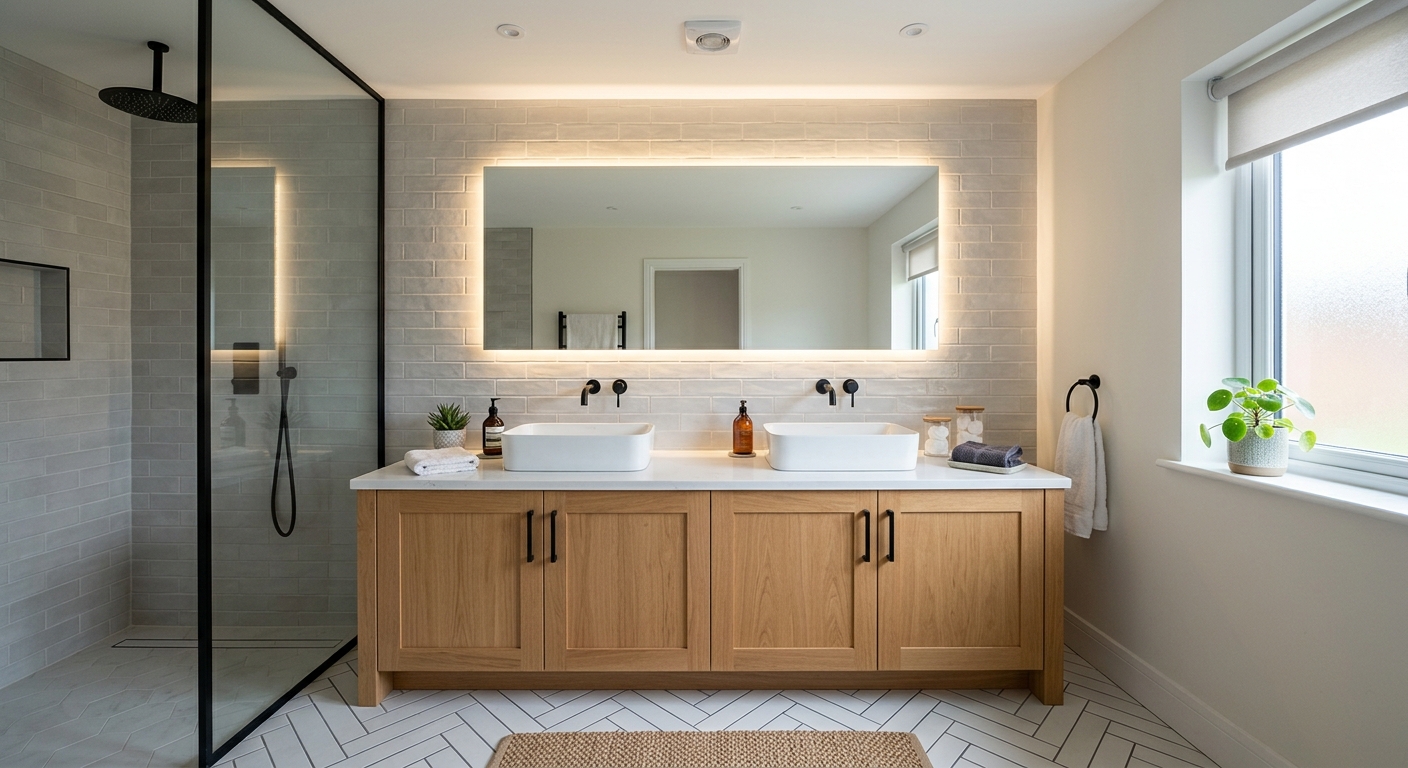
Bathroom renovation options and costs in Dunbar-Southlands
Dunbar-Southlands homeowners often start with a simple question: “What will my bathroom reno cost?” The short answer is that your options range from a cosmetic refresh to a full system replacement, and the right choice depends on what’s hidden behind the walls. In Dunbar-Southlands, the local housing mix includes a meaningful number of older homes—Lower Mainland–Southwest is known for mid‑century and pre‑1980 construction—so it’s common to uncover dated plumbing layouts and drains that may be galvanized or cast‑iron. With a population of 21,245 in the area (Statistics Canada, 2021 Census), trade demand stays busy, and that directly affects scheduling for plumbers, tilers, and electricians.
In the Lower Mainland–Southwest region, labour rates and the age of the housing stock are typically bigger cost drivers than climate itself. That said, British Columbia bathrooms still run high humidity, so proper ventilation and waterproofing are non‑negotiable to prevent recurring mould concerns. Areas around Dunbar and Southlands can be especially in demand because families prioritize updates before selling or renovating for growing households, and contractors often schedule multiple projects back-to-back.
Once walls and floors open, many “mid-range” plans expand to include plumbing and venting upgrades to bring systems in line with current British Columbia requirements. That’s why comparing quotes using the same scope matters. Below is a practical range of options for Dunbar-Southlands, followed by a clear picture of what each package typically includes.
| Renovation Scope |
What's Included |
Typical Duration |
Price Range |
| Cosmetic refresh (paint, fixtures, accessories only) |
Paint, fan inspection/refresh, vanity or faucet swap (no plumbing relocation), toilet refresh, new towel bar/rack, caulking refresh, existing tile kept |
3–7 days |
$3,000–$9,000 |
| Mid-range full renovation (new tile, vanity, tub/shower, electrical) |
Demo and disposal, new tile (floor + surround), vanity replacement, tub/shower or reglaze plan, new exhaust fan and GFCI where required, waterproofing, basic plumbing updates as needed |
2–4 weeks |
$18,000–$32,000 |
| High-end full renovation (custom tile, steam shower, heated floors) |
Higher-end tile systems, larger-format layout, custom shower/steam components, heated floor circuit, upgraded waterproofing, premium valves/fixtures, expanded electrical and venting upgrades if discovered |
4–7 weeks |
$32,000–$45,000 |
| Shower-only installation (convert tub to walk-in shower) |
Remove tub, waterproofed shower pan and walls, new shower valve and trim, glass or curtain option, tile surround, plumbing rough-in adjustments, new or upgraded exhaust fan |
2–3 weeks |
$12,000–$25,000 |
| Bathtub replacement or tub-liner install |
Remove and replace tub (or install a liner where appropriate), new drain/overflow connection, recaulk/seal, inspect subfloor and waterproofing at seams |
5–10 days |
$1,800–$6,000 |
| Tile-only installation (floor + surround, existing layout kept) |
Tile removal, surface prep, waterproofing, tile floor and walls to a defined height, re-grout/re-caulk at edges, matching schluter trim where needed |
1–2.5 weeks |
$2,500–$8,000 |
Prices are estimates only and vary by project scope, site access and material selection.
What affects the price of bathroom renovation in Dunbar-Southlands
It’s common to see the “same bathroom” quote swing by 30–50% across the Lower Mainland–Southwest and other parts of British Columbia. The biggest reason isn’t climate—it’s labour availability and rates, plus how often older homes hide complications that expand the scope once walls are opened. In this region, plumbers, tilers and electricians are in high demand, and skilled trades can be booked ahead. When your project overlaps with peak season, even a straightforward reno can cost more due to scheduling and minimum job mobilization costs.
Older housing stock in the Lower Mainland–Southwest region also drives discovery risks: cast‑iron or aging drain stacks, galvanized supply lines, outdated shutoffs, and sometimes inadequate venting paths. When systems need updates, budgets move toward the upper end of the common full renovation range—think $18,000–$45,000 depending on how much plumbing rough-in and electrical is required. For asbestos-containing materials (often pre‑1985 flooring tile or drywall compound), abatement can add roughly $1,500–$5,000+ once sampling confirms the risk and the right protocols are used.
Two local examples I see often in Dunbar-Southlands: (1) converting a tub to a walk-in shower may require shifting drain rough-in to get the slope right, increasing demo and plumbing labour; (2) upgrading an exhaust fan to address moisture can trigger minor electrical scope changes, especially when the existing circuit capacity is tight. If your bathroom is small (and it often is in older homes), you can still have a high per-square-foot cost because the space is complex and trades must work around tight clearances.
| Price Factor |
Why It Matters |
Cost Impact |
| Layout change — moving drain or supply lines |
Requires rough-in work, possible chases in framing, and follow-up inspections |
Often adds meaningful cost; can push a project toward the higher end of the full renovation band |
| Tile selection — large-format porcelain vs. mosaic vs. ceramic |
Harder cuts, heavier materials, and different substrate requirements affect labour hours |
Can swing the tile-only portion by thousands |
| Fixture tier — builder-grade vs. mid-range vs. designer brands |
Premium valves and consoles often include more complex trim and higher material pricing |
Typically shifts total cost even when layout is unchanged |
| Subfloor condition — rot or unlevel concrete adds scope |
Fixing substrates is required for tile performance and waterproofing warranties |
Can turn a “tile-only” job into a full prep-and-rebuild |
| Electrical — adding GFCI outlets, exhaust fan, heated floor circuit |
New circuits or fan upgrades require properly permitted work and licensed electrical sign-off |
Often adds cost relative to cosmetic-only refreshes |
| Waterproofing method — membrane type and extent |
Correct system choice and coverage prevents moisture failure and future repairs |
More robust methods can cost more but reduce call-backs |
| Older-home surprises — asbestos tile, cast-iron drains, galvanized pipes |
May trigger remediation, additional demolition, and system upgrades |
Can add $1,500–$5,000+ for abatement and increase plumbing scope |
| Bathroom size — sq ft drives tile and labour time directly |
Tile hours, thinset/waste, and cleanup scale with square footage |
Bigger bathrooms move closer to the upper renovation band |
Permits & regulations in British Columbia
In British Columbia, most cosmetic updates in a bathroom do not require permits. Swapping in fixtures like a vanity, toilet, or faucet, retiling without moving plumbing, and painting are typically considered low-risk renovations that can often be completed without permits. That changes when you alter the plumbing or the structure of the bathroom. In practice, permits are commonly needed when you relocate plumbing—moving a drain or supply line, changing the route of rough-ins, or replacing major sections of pipe that require inspection. Adding an exhaust fan usually triggers electrical scope too: if you’re adding a new circuit, wiring it differently, or changing the power feed, it needs to be done to code by (or signed off by) a licensed electrician.
Here’s a homeowner-friendly verification process for Dunbar-Southlands:
- Confirm the contractor’s British Columbia trade licence (and any required sub-trades) before work begins.
- Request a Certificate of Insurance and verify it covers the scope (liability coverage, and appropriate endorsements).
- Ask how worker coverage is handled (WSIB/WCB-equivalent coverage or clearance documentation where applicable for the trade).
- Get the permit plan in writing: who applies, whether it’s included in the quote, and what inspections are expected.
- For electrical and plumbing rough-ins, require proof of licensed work and inspection sign-off where applicable.
Finally, insist that anything that requires a permit is clearly itemized. A “we’ll handle it” phrase is not enough—scope, responsibility, and documentation should be explicit in your paperwork.
Choosing tile, waterproofing and fixtures for your Dunbar-Southlands bathroom
In Dunbar-Southlands, the right material choices can prevent expensive callbacks—especially in a British Columbia bathroom where humidity hangs around if the fan and waterproofing aren’t top quality. Start with tile: ceramic tile is a solid entry-level option, but porcelain usually performs better for floors because it’s denser and handles moisture and wear more reliably. Natural stone (marble, travertine, slate) looks high-end, yet it can be more demanding to install and maintain; it often requires careful sealing and precise substrate preparation.
Next is waterproofing. A paint-on membrane is sometimes used for specific surfaces and systems, but bonded sheet membrane or a proven system (including attention to corners, transitions, and seams) is commonly the best insurance against mould and moisture failure. In the Lower Mainland–Southwest, I recommend aligning the waterproofing method with the shower/tub configuration and your tile type, because system mismatches can lead to failure even with good-looking installs.
Finally, fixture tier affects both budget and resale appeal. Builder-grade fixtures can keep costs near the lower end of the renovation band, while designer brands add premium material and sometimes smoother long-term performance. For example, if a mid-range tub/shower valve plus good trim costs about $1,000–$2,000 more than builder-grade, that’s justified when it includes better flow regulation, consistent temperature control, and a finish that holds up to daily use.
The best approach is to decide what you’re optimizing: if you’re staying in the $18,000–$32,000 mid-range renovation band, put money into waterproofing quality and labour-backed tile installation. If you’re moving toward a higher-end package like $32,000–$45,000, you can often justify custom shower elements and heated floor circuits.
| Material / Option |
Pros |
Cons |
Price Range |
| Ceramic tile (floor + walls) |
Affordable, wide style selection, good for walls; consistent appearance |
Can be less durable for floors than porcelain; needs careful leveling |
$2,000–$5,000 |
| Porcelain tile (floor + walls) |
More durable for floors, better moisture resistance, cleaner maintenance |
Heavier and can increase labour time for cuts and layout |
$3,000–$7,000 |
| Natural stone (marble, travertine, slate) |
Luxurious look, unique veining, premium curb appeal |
Higher material cost, sealing/maintenance required, more demanding installation |
$5,000–$10,000 |
| Frameless glass shower enclosure |
Modern appearance, easier sightlines, can help a small bathroom feel larger |
More expensive components; requires precise wall/alignment |
$2,000–$5,500 |
| Prefab tub surround (acrylic) |
Faster installation, fewer tile cuts, good for budget-friendly remodels |
Less “bespoke” look; seams and edges still require correct sealing |
$1,500–$3,500 |
| Custom shower pan (tile or linear drain) |
High-end look, improved water control, supports true curbless/low-curb designs |
More prep and waterproofing complexity; higher labour time |
$4,000–$12,000 |
How to choose a bathroom renovation contractor in Dunbar-Southlands
Choosing the right contractor in Dunbar-Southlands is mostly about confirming licensing, documenting scope, and making sure trades are properly insured. In British Columbia, you should verify: (1) the contractor’s British Columbia trade licence (and that any specialty sub-trades are licensed for their portions), (2) liability insurance, and (3) worker coverage and clearance documentation consistent with the trade. Ask for proof before you sign—don’t wait until the first day on site. If you can, request these items early in the quoting stage so you can compare apples to apples.
Next, get 2–3 itemised written quotes—not lump sums. You want a labour + materials breakdown that shows what’s included in demo, waterproofing, tile setting, electrical and any permit pulls/disposal. Read the exclusions carefully: is disposal included? Are drywall patching and subfloor leveling included if discovered during demo? Will the quote include replacing rotten framing or only “repair where needed”?
Warranty matters. Look for a workmanship warranty length (often longer than the product warranty) and confirm whether the warranty is transferable if you sell your home. For payment, use a schedule that never requires large up-front deposits—typically keep upfront at around 10–15% maximum and request holdback until the job is complete and deficiencies are corrected. Finally, demand a start date and completion estimate in writing, with a plan for scheduling interruptions.
- Verify British Columbia trade licence and ask for licence numbers.
- Request Certificate of Insurance showing liability coverage.
- Confirm worker coverage/clearance documentation for the trades used.
- Get 2–3 itemised quotes with labour and materials separated.
- Ensure disposal (dump fees and hauling) is included or itemised.
- Confirm who pulls permits and whether permit costs are in the quote.
- Ask how waterproofing is handled and what membrane system is used.
- Require the tile plan: layout approach, grout line width, and edge finishes.
- Clarify what happens if asbestos or rotten subfloor is discovered.
- Get a workmanship warranty in writing before deposits are paid.
- Use a payment schedule with small upfront and a holdback until completion.
- Make timelines specific: start date, milestone dates, and completion estimate.
Red flags I see in Dunbar-Southlands include: (1) quotes that omit waterproofing details, (2) contractors who won’t itemise electrical/plumbing scope, (3) vague timelines (“soon” instead of dates), (4) insisting on large deposits (more than 10–15% upfront), and (5) no willingness to show licence/insurance documentation before starting demo.
Frequently asked questions — bathroom renovation in Dunbar-Southlands
How do I choose the right contractor for my bathroom in Dunbar-Southlands?
Start by verifying the contractor’s British Columbia trade licence and requesting proof of liability insurance before you schedule any work. Then compare 2–3 itemised quotes that separate labour and materials, and clearly list what’s included: waterproofing method, tile labour, disposal, and whether permit pulls are included. In Dunbar-Southlands, older housing stock can hide surprises like cast‑iron drains or outdated supply lines, so ask how they handle discovered issues and whether the quote includes allowances. Also check the workmanship warranty and whether it’s transferable—tile and waterproofing issues can take time to show up. Finally, make sure the contractor is willing to provide a start date, completion estimate, and a payment schedule with a holdback until the job is properly finished.
What's the most common mistake homeowners make in bathroom renovations?
The most common mistake is choosing based on fixtures and finishes first, without locking down waterproofing and scope. I’ve seen budgets stay “reasonable” on paper, then balloon when the plan doesn’t account for subfloor prep, membrane system compatibility, or electrical upgrades like exhaust fans and GFCI protection. In British Columbia, bathrooms run in sustained humidity, so a rushed or underspecified waterproofing approach can lead to mould and repeat repairs. Another frequent issue is skipping inspection and prep steps in older homes—pre‑1980 layouts can hide drain stack or supply problems that expand rough-in work once walls open. Fixing those late can push a project from a mid-range target to the upper end of the full renovation band.
How long does tile installation take in a Dunbar-Southlands bathroom?
Tile time depends on bathroom size, layout complexity, and substrate prep. In Dunbar-Southlands, a typical tile-only install (floor plus surround) often takes about 5–10 working days once surfaces are ready. If the crew has to correct subfloor issues, do more careful waterproofing detailing, or work around plumbing locations, add time. For full renos with a mid-range scope, tile installation is usually part of a total project schedule of around 2–4 weeks. In high-end designs with larger-format porcelain, custom niches, or a custom shower pan with a linear drain, tile time can stretch the overall job toward 4–7 weeks.
How much does a bathroom renovation cost in Dunbar-Southlands?
For Dunbar-Southlands, realistic pricing usually lands in the regional full-bath range of $18,000–$45,000, depending on how much plumbing/electrical is required and whether you’re upgrading the shower, tile coverage, and ventilation. If you’re keeping the layout and focusing on surfaces, you may come in lower—cosmetic refresh projects are often estimated below the full-reno band, while tile-only work is frequently a smaller slice of the budget. For shower conversions (tub to walk-in), many homeowners see figures in the $12,000–$25,000 range. Keep in mind that older-home surprises—like cast-iron drains, galvanized supply lines, or remediation needs—can move you toward the upper end.
How long does a bathroom renovation take in Dunbar-Southlands?
Most Dunbar-Southlands bathroom renos land somewhere between 2 and 7 weeks once scheduling, materials, and inspections are accounted for. Cosmetic refreshes can be as short as a few days. A mid-range full renovation is commonly about 2–4 weeks, while high-end projects with custom tile detailing, heated floors, and more extensive electrical/plumbing upgrades often run 4–7 weeks. Timeline can shift when older homes require additional plumbing venting upgrades, when subfloor repairs are needed, or when permit/inspection scheduling affects rough-in stages. The most reliable way to estimate your schedule is to have a contractor document milestones in writing: demo complete, waterproofing/tile start, electrical/plumbing sign-offs, and final trim.
Do I need a permit for a bathroom renovation in British Columbia?
Often, cosmetic updates in British Columbia don’t require permits—like swapping fixtures (vanity, faucet, toilet), painting, or retiling while keeping plumbing where it is. Permits are commonly needed when you relocate plumbing (moving drain or supply lines), make structural wall changes, or add/modify electrical circuits such as new exhaust fan wiring, heated floor circuits, or other work that requires licensed electrical involvement. Plumbing rough-in changes typically require permits and inspection. For Dunbar-Southlands homeowners, confirm in writing who pulls the permit, what inspections are expected, and whether permit fees are included. Also verify that the electrical work is completed by (or signed off by) a licensed electrician and that documentation is provided before you close walls.