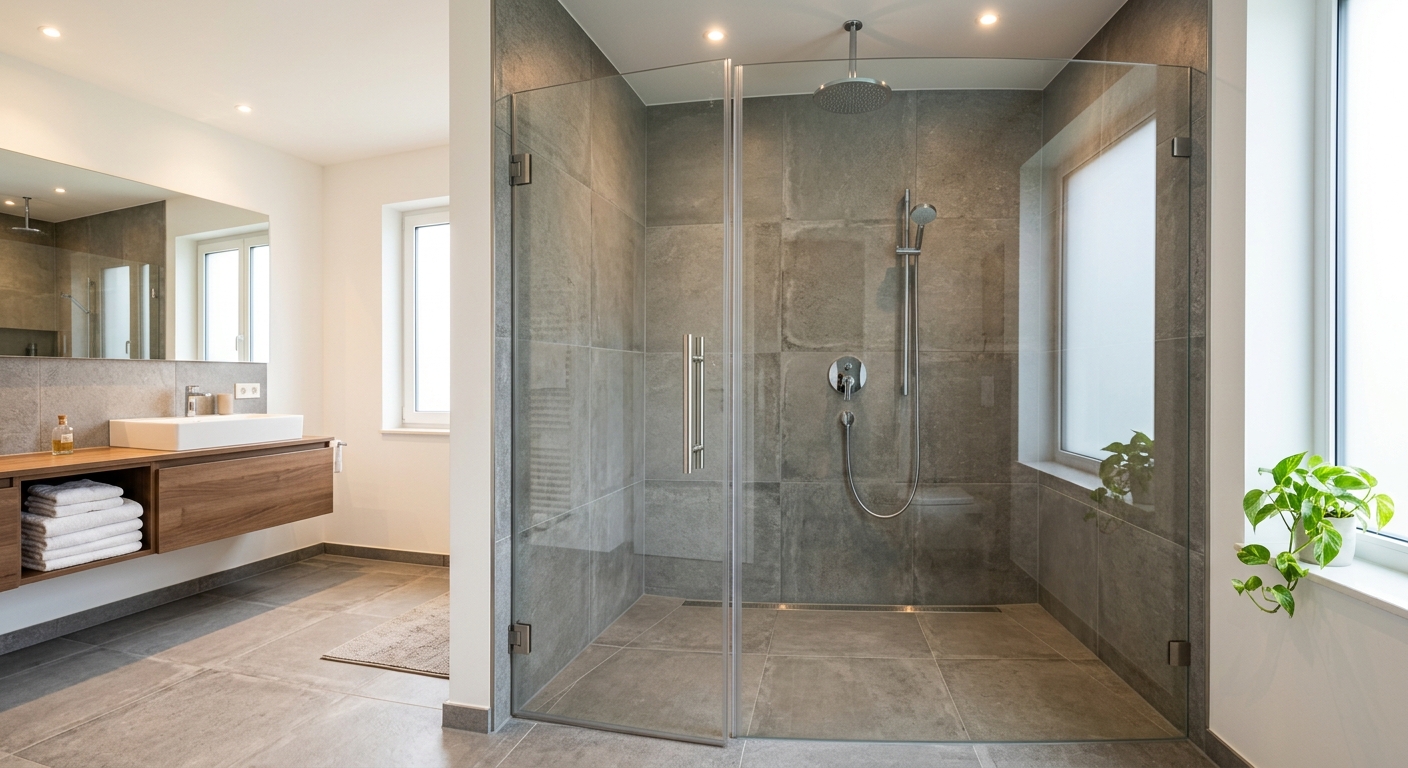
Bathroom renovation options and costs in Toronto
Toronto homeowners have a wide range of bathroom renovation options, but the final price often lands higher than people expect because labour is premium in the GTA and many houses are older. In Toronto’s housing stock, 58.1% of homes were built before 1981, so it’s common to find dated plumbing layouts, older venting, or one-off repairs that need to be corrected once walls are opened. With that in mind, most projects are either true “full renovations” or carefully scoped refreshes that leave core plumbing and waterproofing systems in place.
Even though Toronto’s climate can feel like a “cost driver” (humidity and freeze–thaw cycles), bathroom pricing is usually shaped more by construction sequencing and material handling than weather exposure. Skilled trades are also in high demand across the region, especially around renovation-heavy areas where permits, inspections, and scheduling tighten up.
For example, many contractors see steady demand in neighbourhoods like Etobicoke—older post-war homes mixed with growing condo-adjacent pockets means frequent updates, plumbing corrections, and tiling work. That market pull, combined with the need to bring rough-ins up to Ontario code when locations change, is why Toronto projects often sit in the low-to-mid five-figure range for standard 3-piece full renovations.
Below is a practical comparison of common scopes—use it as a starting point before you request itemised quotes from Toronto-based contractors.
| Renovation Scope |
What's Included |
Typical Duration |
Price Range |
| Cosmetic refresh (paint, fixtures, accessories only) |
Paint, vanity/accessories swaps, toilet/fixture replacement (no plumbing relocation), re-caulking, basic deep clean |
3–7 days |
$4,000–$9,000 |
| Mid-range full renovation (new tile, vanity, tub/shower, electrical) |
Demo & disposal, waterproofing, floor + wall tile, new vanity, new tub/shower or updated surround, exhaust fan, GFCI where required, lighting changes |
2–4 weeks |
$12,000–$22,000 |
| High-end full renovation (custom tile, steam shower, heated floors) |
Extensive tile detailing, premium waterproofing and plumbing upgrades, steam shower or high-end walk-in, heated floor circuit, designer fixtures, upgraded ventilation |
4–7 weeks |
$22,000–$30,000 |
| Shower-only installation (convert tub to walk-in shower) |
Demo tub, new shower pan, waterproofing, glass enclosure, new valves/controls, tile floor + surround, exhaust fan/existing electrical check |
2–4 weeks |
$16,000–$26,000 |
| Bathtub replacement or tub-liner install |
Remove and replace tub (or liner system), re-seal, minor surround updates, plumbing connections checked, leak testing and caulking |
1–3 weeks |
$6,000–$12,000 |
| Tile-only installation (floor + surround, existing layout kept) |
Tile demo/supply, floor and wall tile installation, grout/sealing, waterproofing where needed behind new tile, re-caulk fixtures (no major plumbing moves) |
1–2.5 weeks |
$8,000–$18,000 |
Prices are estimates only and vary by project scope, site access and material selection.
What affects the price of bathroom renovation in Toronto
In Toronto, quotes for the “same” bathroom can vary by roughly 30–50% because the real cost drivers are labour intensity, how much is hidden behind tile/drywall, and whether the contractor must correct plumbing or ventilation to meet current Ontario expectations. While Toronto’s overall climate doesn’t usually add cost the way it would for exterior work, the humidity-driven need for dependable waterproofing still matters—poor layering or rushed prep is what causes long-term failures (and rework costs) later.
Toronto’s older housing stock is the biggest difference. With 58.1% of homes built before 1981, many bathrooms sit on plumbing systems and venting patterns that were never designed to match today’s supply/drain expectations. It’s not uncommon to discover cast-iron or undersized drains, galvanized supply lines, or drain paths that require reconfiguration once you open the walls—scope expands quickly. If asbestos-containing materials are found (for instance, older vinyl floor tile or drywall compounds), abatement can add about $1,500–$5,000+ depending on extent, access, and required licensed work.
Concrete examples: (1) moving a vanity drain a foot or two can trigger new rough-in and patching, often pushing labour upward toward the mid-range full renovation band of $12,000–$22,000. (2) upgrading waterproofing and adding heated floors in a larger, tiled footprint can make the jump from straightforward mid-range work toward the higher-end band of $22,000–$30,000. (3) a small bathroom can cost relatively more per square foot because tile cuts, layout precision, and shower waterproofing details take the same labour time even when the room is compact.
Bottom line: Toronto pricing reflects job complexity and trade time more than seasonal weather.
| Price Factor |
Why It Matters |
Cost Impact |
| Layout change — moving drain or supply lines requires rough-in work |
New piping runs mean demo, rough-in labour, patching, inspection prep, and leak testing |
+$1,500–$6,000 |
| Tile selection — large-format porcelain vs. mosaic vs. ceramic |
Harder materials need better prep, more careful thinset bonding, and tighter tolerances |
+$1,000–$4,000 |
| Fixture tier — builder-grade vs. mid-range vs. designer brands |
Premium valves, trims, and vanities cost more and can require different rough-in compatibility |
+$800–$5,000 |
| Subfloor condition — rot or unlevel concrete adds scope |
Repair/leveling delays schedules and increases materials and labour before waterproofing |
+$1,000–$5,000 |
| Electrical — adding GFCI outlets, exhaust fan, heated floor circuit |
May require licensed electrician work, circuit planning, and additional permit steps |
+$600–$3,500 |
| Waterproofing method — membrane type and extent |
Full-height protection, proper overlaps, and correct corners/curb detailing prevent moisture failures |
+$1,000–$4,500 |
| Older-home surprises — asbestos tile, cast-iron drains, galvanized pipes |
Licensed abatement and plumbing upgrades expand the job and scheduling |
+$1,500–$10,000+ |
| Bathroom size — sq ft drives tile and labour time directly |
More surface area means more waterproofing, setting materials, and longer finishing time |
+$1,000–$8,000 |
Permits & regulations in Ontario
In Ontario, not every bathroom update needs a permit—but certain changes do. Cosmetic updates like swapping a vanity, replacing a toilet or light fixture in the same location, repainting, and re-caulking typically do not require permits. However, if you relocate plumbing (moving a drain or supply line), change the configuration of a shower valve, add or relocate a vent/exhaust fan that involves new wiring, or make any structural wall changes, permits are commonly required and inspections will follow.
Electrical work must meet Ontario code and be done by, or signed off by, a licensed electrician—this includes adding a new GFCI-protected receptacle, installing a new exhaust fan circuit, and connecting heated floor systems. If plumbing rough-in changes are made (new drain runs, vent corrections, new shut-offs), you should expect a permit and inspection for the rough-in stage before walls are closed.
To verify a Toronto contractor properly, start by confirming their Ontario trade licence (and the right category for the work they do), then check liability insurance. Ask for a current certificate of insurance and ensure the address/coverage aligns with your project. For work involving labour and on-site risks, also confirm WSIB/WCB coverage if the contractor is required to carry it. Finally, request documentation for permits as applicable (or written confirmation that they will pull them) so you know the job follows inspection steps rather than being “completed first, paperwork later.”
Choosing tile, waterproofing and fixtures for your Toronto bathroom
In Toronto, your budget is mostly driven by three material decisions: tile selection, waterproofing system, and fixture tier. First, tile: entry-level ceramic is often the most forgiving and can reduce material and installation costs, especially for straightforward layouts. Mid-range porcelain typically offers better density and stain resistance, which matters in busy households and for steam or high-traffic bathrooms. Natural stone (marble, travertine, slate) looks premium, but it requires more careful installation and sealing discipline, and unevenness can increase labour to achieve a flat, even plane.
Second is waterproofing. In Ontario’s bathroom humidity, the right waterproofing isn’t optional—it’s what prevents mould and tile failures. Paint-on membranes can work for limited applications, but they’re rarely the best choice for full shower assemblies compared with bonded sheet membranes or modern systems designed for corners, seams, and curbs. When the system is installed correctly, you avoid repeated grout cracking and moisture migration.
Third is fixture tier. Builder-grade fixtures can hit your budget, but premium valves, trims, and well-matched shower controls can improve reliability and comfort and often hold up better for the long term—important in Toronto’s older homes where plumbing tweaks may be necessary.
To see where costs are justified: if you’re deciding between a standard shower valve set and a better pressure-balanced valve, that extra spend is often worth it. It can reduce callbacks caused by inconsistent temperature or pressure—especially in older homes where supply conditions vary. When you target dependable waterproofing and a suitable tile system, you’re buying fewer surprises.
| Material / Option |
Pros |
Cons |
Price Range |
| Ceramic tile (floor + walls) |
Good value, easier to cut, widely available colours/patterns |
May be less water-resistant than porcelain depending on finish; can chip if subfloor isn’t flat |
$3,000–$8,000 |
| Porcelain tile (floor + walls) |
Denser and more stain-resistant, often handles moisture better, clean look with large formats |
Heavier tile means careful subfloor prep; can be pricier in material and labour |
$6,000–$12,000 |
| Natural stone (marble, travertine, slate) |
High-end appearance, unique veining, strong curb appeal for resale |
More expensive; requires sealing/maintenance and extra layout/leveling time |
$10,000–$20,000 |
| Frameless glass shower enclosure |
Modern look, easy to clean, makes smaller bathrooms feel bigger |
Higher hardware cost; exact measurements are critical; may raise installation time |
$2,000–$6,000 |
| Prefab tub surround (acrylic) |
Fast install, consistent finish, often less labour than full tile surround |
Limited design flexibility; fewer “wow” options; long-term performance depends on prep |
$1,200–$3,500 |
| Custom shower pan (tile or linear drain) |
Best waterproofing integration, clean modern drainage with linear options, seamless design |
Labour-intensive waterproofing and slope requirements; higher costs |
$4,000–$12,000 |
How to choose a bathroom renovation contractor in Toronto
Choosing the right contractor in Toronto comes down to proof: Ontario licensing for the scope they’ll perform, liability insurance, and confirmation they carry required coverage. Start by asking for their Ontario trade licence information and verifying the correct trade category for your job (especially if they’re doing electrical-related work themselves or coordinating it). Request a current certificate of insurance and check that your project location is covered. Also ask for WSIB/WCB coverage documentation where applicable—if they can’t provide it, keep looking. Your goal is to reduce the risk of delays and uncovered incidents once demo starts.
Next, get 2–3 itemised written quotes. “Itemised” matters: you want a labour and materials breakdown (tile, waterproofing, plumbing fixtures, disposal, and any subcontract labour) rather than a single lump sum. Read the exclusions line-by-line—things like permit pulling, temporary protection, and disposal can quietly shift your budget. Confirm the permit responsibility in writing and ask whether testing (leak tests) and inspection booking are included.
Warranty is another differentiator. Ask how long the workmanship warranty lasts (and what it covers), whether product warranties are separate, and if warranties are transferable if you sell your home. For payment, never agree to large upfront sums—generally keep deposits to about 10–15% and hold back a portion until completion and final walkthrough. Finally, insist on a written start date and a completion estimate that includes contingency time for older-home surprises.
- Ask for Ontario licence proof and verify it matches the work scope
- Request liability insurance certificate and confirm the effective dates
- Confirm WSIB/WCB coverage (where applicable) and request documentation
- Get 2–3 itemised quotes (labour + materials, not lump sum)
- Confirm permit pulling responsibility and list it on the quote
- Ensure disposal, dumpster/haul-away and site protection are included
- Ask for waterproofing details (membrane type, prep steps, coverage areas)
- Clarify plumbing rough-in scope: will they check venting and shut-offs?
- Request a demolition-to-tile schedule with milestone dates
- Require a leak test step before walls are closed
- Review warranty length for workmanship and product and whether it’s transferable
- Agree to payment schedule with a completion holdback (10–15% or per contract)
Red flags in Toronto: contractors who won’t provide a clear licence/insurance package, quotes that omit waterproofing method details, promises like “no permits needed” when plumbing is being moved, pricing that’s dramatically lower than comparable bids without an explanation, and payment schedules asking for large upfront deposits or refusing holdbacks until final inspection.
Frequently asked questions — bathroom renovation in Toronto
How much does a bathroom renovation cost in Toronto?
In Toronto, a realistic budget depends on whether you’re doing a true full renovation or a scoped refresh. For a standard 3-piece bathroom, reputable contractors commonly price full renovations in the low-to-mid five-figure range—often around $12,000–$30,000 depending on tile complexity, plumbing changes, and electrical/venting upgrades. If your home is older (58.1% of homes were built before 1981), there’s a higher chance you’ll uncover issues that push scope upward, such as vent corrections, supply line updates, or asbestos-containing materials that trigger licensed abatement. Even a shower conversion can land higher than expected once plumbing rough-ins, waterproofing, and glass enclosure work are included.
How long does a bathroom renovation take in Toronto?
Timelines in Toronto usually come down to labour availability and inspection/testing steps. Cosmetic refreshes often take 3–7 days, while mid-range full renovations commonly run about 2–4 weeks. High-end projects with custom tile detailing, heated floors, or steam shower components can take roughly 4–7 weeks. Shower-only conversions (tub-to-walk-in) are frequently 2–4 weeks because of demolition, new pan construction, waterproofing cure time, and enclosure installation. In older Toronto homes, schedule can extend if plumbing reconfiguration takes more time or if additional licensed work (like abatement or electrical upgrades) is required before walls are closed.
Do I need a permit for a bathroom renovation in Ontario?
In Ontario, you often don’t need a permit for purely cosmetic changes—think fixture swaps in the same location, repainting, accessory upgrades, and typical vanity replacements. Permits are commonly needed when you relocate plumbing (moving drain or supply lines), change shower valve locations, add exhaust fans with new wiring/circuits, or make structural changes. Electrical work must meet Ontario code and be done by, or signed off by, a licensed electrician. Plumbing rough-in changes generally require permits and inspections before walls are closed. For Toronto homeowners, always ask your contractor to confirm which parts of the scope require permits and who pulls them; don’t rely on verbal assurances.
What's the best tile for a bathroom in Toronto?
“Best” usually means a balance of moisture performance, durability, and installation quality. In Toronto bathrooms, porcelain tile is a popular choice because it’s dense, handles moisture well, and performs strongly with correct waterproofing. Ceramic can be a good value option for floors and walls if your subfloor is flat and the install is done properly. Natural stone can look exceptional, but you’ll want a contractor experienced with stone layout and sealing discipline. Regardless of material, the waterproofing system and seam/corner detailing are what prevent long-term mould risk in Ontario’s bathroom humidity. If you’re aiming for strong value, porcelain often gives the best performance-to-cost ratio in the $6,000–$12,000 tile range for typical projects.
Should I do a tub-to-shower conversion?
A tub-to-shower conversion is a good option for many Toronto homeowners—especially if you want easier daily use, lower maintenance, or plan to age in place. It also often improves the bathroom’s layout efficiency in compact rooms. However, it’s more labour-intensive than many people expect: demo, new shower pan construction, waterproofing, valve/trim changes, and typically a glass enclosure. For realistic budgeting, shower installations in the GTA often land around the higher end of renovation scopes, commonly contributing to totals in the $16,000–$26,000 range depending on tile, enclosure, and how much plumbing needs rerouting. If your plumbing layout is outdated (common in many pre-1981 homes), conversion projects can uncover venting or drain issues that extend scope.
How do I prevent mold in a Toronto bathroom?
Mould prevention starts with correct waterproofing and ventilation—not just “using mold-resistant paint.” In Toronto, you’ll typically get the best results by choosing a proven waterproofing method for wet areas (especially full shower assemblies), ensuring proper coverage at corners/curbs, and installing a quality exhaust fan that vents properly. During a renovation, confirm your contractor includes leak testing before wall close-in and uses the right membrane type for the shower application. Also address air movement: keep the exhaust fan sized appropriately and ensure it’s ducted outside, not merely recirculated. In older Toronto homes (58.1% built before 1981), moisture issues can be worsened by failing subfloor transitions or hidden plumbing problems—so correcting supply/drain and sealing gaps matters as much as surface finishes.