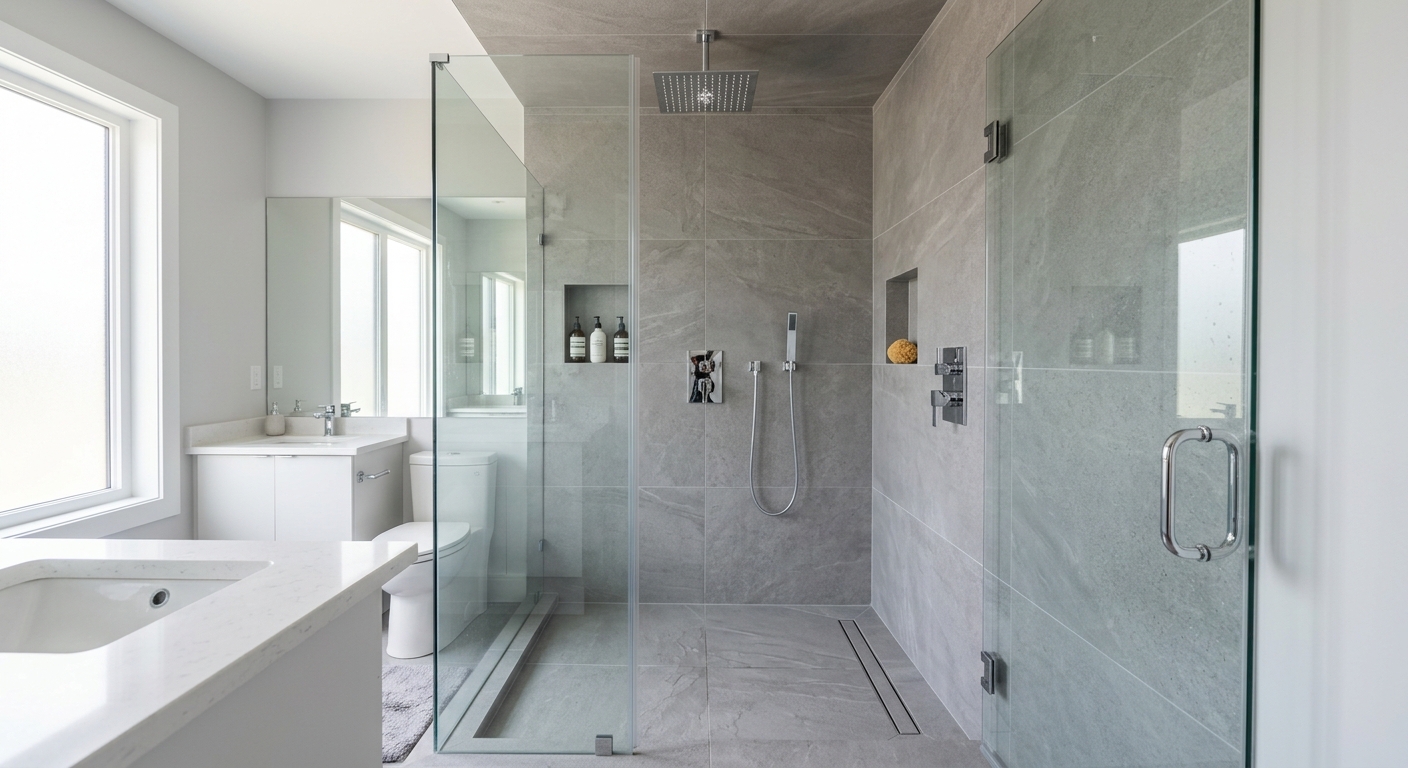
Bathroom renovation options and costs in Timmins
Timmins homeowners usually start bathroom planning with a simple question: “What will this cost?” The answer depends on how much of the existing plumbing and finishes you keep, because Timmins has a lot of older housing—71.7% of homes were built before 1981 (Statistics Canada, 2021 Census). In practical terms, that often means dated drain layouts, cast-iron or aging drain stacks, and a higher chance of asbestos-containing flooring or drywall compounds when walls and floors are opened. With Timmins’ homeowner profile (67.0% of households own), renovations are common, but projects are also shaped by trade availability across the Northeast economic region, where the pool of experienced plumbers, electricians, and tile setters is tighter than in major centres.
In this Northeast Ontario context, cost pressure typically comes less from “weather inside the bathroom envelope” and more from what contractors must discover once demolition starts: ventilation upgrades, rough-in changes, and any needed remediation. If you’re in areas with older mid-century housing stock—such as parts of Moose Lake / neighbourhoods around the former Resource-anchored expansions—it’s especially common to see undersized venting and older supply lines that need updates before new tile goes in. That’s why even projects that look similar on paper can land in different price bands.
Below is a realistic comparison of common renovation options to help you budget before you request quotes and confirm what’s hidden behind the walls.
| Renovation Scope |
What's Included |
Typical Duration |
Price Range |
| Cosmetic refresh (paint, fixtures, accessories only) |
Paint, lighting refresh (like-for-like), vanity or faucet swap (no plumbing relocation), toilet replacement if keeping rough-in, accessories (towel bars/rails), caulking and deep clean |
3–6 days |
$6,000 – $12,000 |
| Mid-range full renovation (new tile, vanity, tub/shower, electrical) |
Remove/replace tub or re-surface as needed, new vanity and toilet, new tile floor and surround, improved exhaust fan, electrical upgrades for GFCI, new waterproofing system, disposal and basic framing repairs |
2–4 weeks |
$15,000 – $35,000 |
| High-end full renovation (custom tile, steam shower, heated floors) |
Custom shower or tub/shower conversion, high-end tile layout, heated floor wiring, premium fixtures, upgraded waterproofing detailing, additional electrical circuits, upgraded ventilation and finish carpentry |
3–6 weeks |
$28,000 – $60,000 |
| Shower-only installation (convert tub to walk-in shower) |
Demo tub, new shower base/pan or waterproofed pan, tile surround, new glass or door option, valve and trim replacement (as needed), exhaust fan check/upgrade |
2–3 weeks |
$12,000 – $26,000 |
| Bathtub replacement or tub-liner install |
Remove and replace tub (or install a liner where appropriate), new seals, re-caulk, plumbing connection checks, minor surround touch-ups, leak testing |
3–7 days |
$2,000 – $6,000 |
| Tile-only installation (floor + surround, existing layout kept) |
Tile floor and/or shower surround, underlayment, waterproofing, grout sealing, remove and reset fixtures as needed (no major plumbing relocation) |
7–14 days |
$5,000 – $18,000 |
Prices are estimates only and vary by project scope, site access and material selection.
What affects the price of bathroom renovation in Timmins
In Timmins and the broader Northeast region, it’s common to see two quotes for what looks like the same bathroom—same size and “new tile + new vanity”—that differ by 30–50%. The biggest reasons are labour availability and hidden condition factors, not climate alone. While Ontario humidity doesn’t directly change material costs, it makes waterproofing mistakes expensive, so contractors price the labour and detailing to reduce callbacks. On top of that, Timmins has older housing stock; when you start opening walls in homes built before 1981, you often uncover cast-iron or aging drain components, galvanized supply lines, and ventilation that doesn’t meet today’s performance expectations.
Here’s where the costs jump: discovery of asbestos-containing materials in vinyl floor tile or older drywall compounds can trigger abatement steps. When that happens, budget add-ons can land in the range of $1,500–$5,000+ depending on what’s found and how much needs careful removal and disposal. A mid-range full reno can comfortably sit in the $15,000–$35,000 band, but once waterproofing details, rough-in modifications, or electrical improvements expand scope, high-end features like heated floors and premium glass can push total project pricing higher.
Two concrete Timmins examples: (1) if the exhaust fan ducting must be rerouted to a workable path, labour time rises quickly; (2) if the subfloor is uneven, tile installation isn’t just “set and grout”—it may require leveling, membrane detailing, and extra waterproofing layers. If you keep the layout and avoid moving drains/supplies, you often get closer to the lower end of the shower conversion and full reno bands.
| Price Factor |
Why It Matters |
Cost Impact |
| Layout change — moving drain or supply lines requires rough-in work |
Plumbing relocation typically means opening walls, replacing pipe runs, and redoing connections and testing |
$2,500 – $12,000 |
| Tile selection — large-format porcelain vs. mosaic vs. ceramic |
Harder materials can require more skilled cutting/layout and may increase labour and waste |
$500 – $5,500 |
| Fixture tier — builder-grade vs. mid-range vs. designer brands |
Higher tiers cost more but may include better finishes, valves, and longer-life components |
$750 – $6,000 |
| Subfloor condition — rot or unlevel concrete adds scope |
Prep work (drying, replacement, leveling) is part of waterproofing success |
$1,000 – $8,000 |
| Electrical — adding GFCI outlets, exhaust fan, heated floor circuit |
New circuits require certified work and careful ventilation and load planning |
$800 – $7,500 |
| Waterproofing method — membrane type and extent |
Proper membrane coverage and detailing reduce mould risk and future leaks |
$600 – $4,500 |
| Older-home surprises — asbestos tile, cast-iron drains, galvanized pipes |
Abatement and pipe upgrades add trades, time, disposal and inspection steps |
$1,500 – $10,000+ |
| Bathroom size — sq ft drives tile and labour time directly |
More area means more waterproofing, thinset, labour hours, and longer cure times |
$1,000 – $6,500 |
Permits & regulations in Ontario
In Ontario, the permit requirement often hinges on whether you’re making “system” changes (plumbing, electrical, ventilation) versus only replacing finishes. Cosmetic updates—swapping a vanity, replacing a faucet/trim with like-for-like connections, retiling a shower surround without changing plumbing locations, or painting—typically do not trigger a permit. However, work that does usually require a permit and inspection includes: relocating plumbing rough-ins (moving a drain or supply line), changing the layout of the shower/tub, adding or modifying exhaust fan ducting where electrical and ventilation pathways are altered, and structural wall changes that affect framing or load paths. Electrical work must meet Ontario electrical code requirements and be completed or signed off by a licensed electrician, especially when adding circuits for an exhaust fan, new lighting, or heated floors.
For bathroom renos in Timmins, verify your contractor this way:
Step 1: Find their Ontario licence number (trade listing) and confirm it matches the scope they’re bidding (plumbing/electrical where applicable). Step 2: Request a certificate of insurance and confirm liability coverage is current, and ask whether they carry WSIB/WCB clearance (or provide a clearance letter as applicable) for workers on site. Step 3: Ask who will pull permits and include it in the written quote—clarity prevents delays. If a quote is vague about permits, inspections, disposal, or who’s responsible for code compliance, treat it as a red flag before signing.
Choosing tile, waterproofing and fixtures for your Timmins bathroom
In Timmins, your bathroom budget is usually decided by three material choices: tile type, waterproofing system, and fixture tier. First, tile choice affects both cost and how difficult it is to install. Ceramic tile is the entry-level option and can be cost-effective, especially on straightforward layouts. Porcelain is denser, takes well to moisture-prone areas, and often handles long-term wear better—though labour can rise for layout precision. Natural stone (marble, travertine, slate) looks premium, but it’s typically more variable in finish and may require extra sealing and careful installation, which increases labour and materials.
Second, waterproofing is non-negotiable for mould prevention in Ontario’s humid bathroom use patterns. A paint-on membrane can work for certain applications, but a bonded sheet membrane or a well-detailed schluter-style system generally gives better robustness when installed correctly around corners, niches, and change-of-plane transitions. Third, fixture tier impacts both your upfront spend and long-term satisfaction: builder-grade options may be fine cosmetically, but mid-range or designer brands often provide better valves, finishes, and smoother operation—helpful if you plan to stay in your home longer.
Matching budget to situation: if you’re keeping the layout and just doing floor + surround, you can often control pricing closer to the lower end of renovation bands. For example, upgrading from ceramic to porcelain may cost more upfront, but it’s usually justified when you’re investing in full waterproofing and want the finish to last. If your goal is a dramatic change (like a steam shower), the extra materials and electrical details can shift you toward the higher end of full renovation pricing.
| Material / Option |
Pros |
Cons |
Price Range |
| Ceramic tile (floor + walls) |
Good value, wide style selection, easier to match for existing décor |
Generally less durable than porcelain; may chip more under heavy impact |
$35 – $90 |
| Porcelain tile (floor + walls) |
Excellent moisture resistance, durable for high-traffic bathrooms, consistent sizing for clean layouts |
Can be heavier and may require more precise cuts and layout time |
$70 – $150 |
| Natural stone (marble, travertine, slate) |
High-end look, unique veining and texture, strong resale appeal when maintained |
More maintenance (sealing), higher labour due to irregularities and finishing |
$120 – $250 |
| Frameless glass shower enclosure |
Brightens the room visually, modern appearance, durable when installed with proper anchors |
Higher cost, needs accurate leveling and waterproofing attention at mounting points |
$1,500 – $5,500 |
| Prefab tub surround (acrylic) |
Faster install, consistent finish, lower labour than fully tiled surrounds |
Less custom look, may not suit every layout, potential for seam detailing to be visible |
$800 – $2,500 |
| Custom shower pan (tile or linear drain) |
Cleaner floor transitions, better match to tile aesthetic, improved drainage design |
More labour and waterproofing detailing; requires precise slope and drain alignment |
$2,000 – $7,500 |
How to choose a bathroom renovation contractor in Timmins
Choosing the right contractor is what protects your schedule and your waterproofing performance. Start by verifying Ontario licensing and coverage: ask for their trade licence where required for the work they’re doing, and confirm liability insurance is active. For worker coverage, request proof of WSIB/WCB clearance (or a clearance letter where applicable). You can also ask to see the documents before the estimate is final so you don’t get surprised after demolition.
Get 2–3 itemised written quotes that break out labour and materials—tile, membrane, backer board, plumbing components, electrical line items, glass, and disposal. Avoid quotes that only show a single lump sum without details, because bathroom renos often expand after opening walls. Read the scope carefully: confirm whether permits are pulled and included, whether your contractor handles inspections, and whether debris removal and dump fees are covered. Warranty matters too: look for a workmanship warranty (for example, tile and waterproofing performance) and keep the product/manufacturer documentation in a folder for future claims. Ask if warranties are transferable if you sell.
Payment schedule is another practical safeguard. Never pay more than 10–15% upfront; a proper holdback is usually released once the job is complete and cleanup walkthrough is done. Finally, demand a written start date and completion estimate—especially important for Timmins projects where material lead times and trade availability can shift timelines.
- Confirm Ontario trade licence for the scope they’ll perform.
- Verify liability insurance and request the certificate of insurance.
- Ask for WSIB/WCB clearance (or clearance letter) before work starts.
- Require itemised quotes: labour, tile, membrane, waterproofing accessories, fixtures, and disposal.
- Confirm who pulls permits and whether inspections are included.
- Get a written description of exclusions (e.g., asbestos abatement, subfloor replacement).
- Check waterproofing scope: membrane type, coverage areas, and how corners are treated.
- Ask about grout and sealant approach and whether they’re included.
- Verify glass installation method and how it’s anchored to waterproofed surfaces.
- Review warranty length for workmanship and products; ask if it’s transferable.
- Use a staged payment schedule and negotiate a holdback until completion.
- Confirm demolition, dust control, and site protection measures.
In Timmins, concrete red flags include: quotes that don’t specify waterproofing materials and method, a request for a large upfront payment (beyond 10–15%), “allowance” pricing with no unit costs for tile and plumbing fixtures, no mention of permits/inspections when plumbing or electrical is changed, and vague warranty language that doesn’t clearly cover waterproofing or labour.
Frequently asked questions — bathroom renovation in Timmins
What's the ROI on a bathroom renovation?
In Timmins and across Ontario, a bathroom renovation tends to protect resale value more than it “prints” profit, especially when it improves safety, function, and moisture protection. If you’re staying in your home, the ROI shows up as daily comfort and fewer maintenance surprises. If you’re selling, the highest-impact upgrades are usually leak-proof waterproofing, updated lighting (with proper ventilation), and replacing tired fixtures so buyers see “move-in ready.” A full mid-range renovation often lands around $15,000–$35,000, and it’s realistic to think of that as value retention rather than guaranteed dollar-for-dollar payback. Keep scope aligned with your neighbourhood’s expectations—Timmins has a large older-stock housing base, so buyers often pay attention to how the plumbing and ventilation were upgraded.
Do I need waterproofing behind the tile?
Yes—under normal bathroom conditions in Ontario, waterproofing behind the tile is strongly recommended (and in well-designed systems, it’s effectively required for performance). Bathrooms are wet-use spaces, and the failure point is often not the visible tile; it’s water that migrates through joints, corners, or minor movement. A proper system includes correct substrate preparation, an appropriate membrane (paint-on, sheet membrane, or a detailed proprietary system), and detailed transitions around niches, the shower valve area, and the shower pan. In homes built before 1981 in Timmins, demolition can also reveal older materials that were never designed with today’s moisture-management expectations. If someone offers “tile only” without membrane detailing, it usually isn’t a good value—water damage can quickly become a larger repair.
How do I compare bathroom renovation quotes?
Comparing quotes is easier when you insist on itemised scope rather than lump sums. Ask for a line-by-line breakdown: labour hours, tile and grout/membrane materials, shower pan method (traditional tile pan vs. linear drain), electrical items (GFCI, exhaust fan circuit, heated floor if included), plumbing components, and disposal. Make sure each quote includes the same assumptions about permits and inspections—especially when moving drains/supplies or adding new ventilation. Also compare the quality of allowances: if one quote uses a low allowance for fixtures but another is “including” mid-range selections, the bottom number won’t be apples-to-apples. A realistic full renovation often falls in the $15,000–$35,000 band for many Timmins projects; if a bid is far below that without explaining scope reductions or conditions, dig in.
Can I live at home during a bathroom renovation in Timmins?
Often yes, but it depends on the layout and how much demolition is required. For cosmetic refreshes, you may be able to stay in the home with minimal disruption. For mid-range full renovations, living arrangements typically depend on whether you can set up an alternate bathroom or retain function temporarily. If you convert a tub to a walk-in shower or relocate plumbing, the main bath may be unavailable for a period—especially during rough-in, waterproofing cure time, and tile setting. In Timmins, winter scheduling also matters because ventilation and drying time are more critical; contractors should protect the area with dust control and maintain safe airflow for curing materials. If your home has only one bathroom, plan for phased work and confirm daily access, dust containment, and cleanup in writing before the start date.
What's the best bathtub material for a Timmins home?
The “best” bathtub material depends on what you’re optimizing: durability, weight considerations, and installation method. Common options include acrylic tubs, cast-iron (heavy, durable, but more complex to handle), and steel (often durable, but can be louder under use). For many Timmins homeowners, acrylic tub replacement is a practical choice because it’s typically lighter for installation, easier to exchange, and offers a good balance of price and performance. If you’re doing a tub swap within an existing rough-in, bathtub replacements often land around $2,000–$6,000 depending on whether it’s a straightforward install or part of a bigger renovation. If the goal is a longer-lived finish with less maintenance, ensure the surrounding waterproofing and sealing are done correctly—material choice can’t overcome poor waterproofing.
Is it worth renovating a bathroom before selling in Timmins?
Usually, it’s worth renovating if your bathroom has visible wear that affects buyer confidence—worn tile, dated fixtures, weak ventilation, or signs of moisture. But it’s not always worth a full high-end overhaul; buyers commonly respond to functional improvements and leak-proof waterproofing more than custom features they won’t use. If your bathroom is in rough shape due to older housing components common in Timmins (many homes built before 1981), you can gain value by addressing hidden risk: ventilation, drainage, and water management behind tile. A mid-range renovation in the $15,000–$35,000 range is often a sensible target, while a “showpiece” upgrade should match your home’s price point and buyer expectations. The key is to avoid overspending beyond what the local market supports and to document the work (warranties, waterproofing method, and permits/inspections).