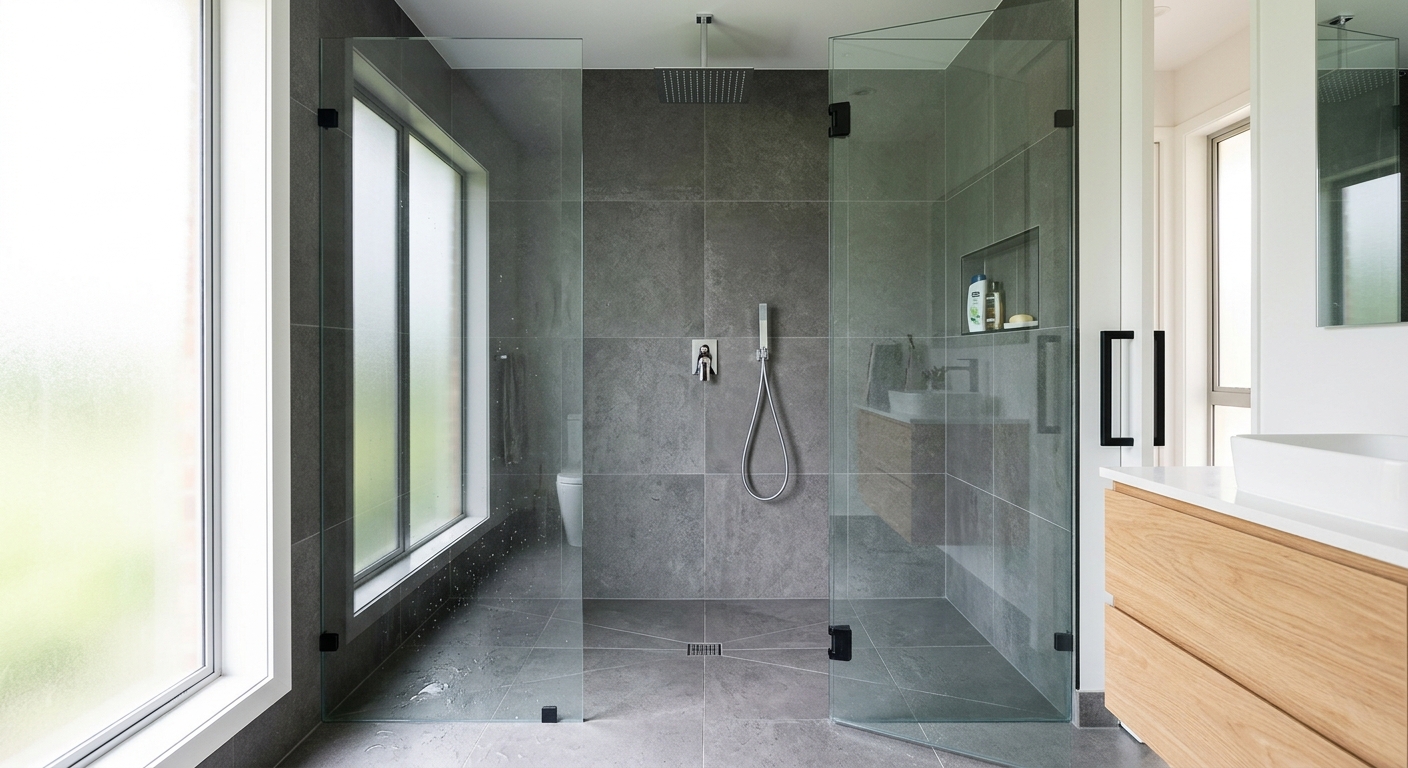
Bathroom renovation options and costs in Grimsby
In Grimsby, Ontario, bathroom renovations typically start with a clear choice: cosmetic refresh, a mid-range full upgrade, or a high-end rebuild. That matters because many homes here were built before 1981—42.2% of the housing stock—so you often run into dated drain assemblies, older venting, and sometimes non-original finishes that get disturbed once walls come down. In a market like the Hamilton–Niagara Peninsula, that “scope creep” is a bigger cost driver than weather alone. We see contractors price more cautiously because opening up the bathroom can uncover hidden plumbing repairs, potential electrical updates, and—depending on what’s behind the tile—abatement steps if older materials test positive for asbestos.
Even though Grimsby experiences the full seasonal swing of Southern Ontario (humid summers and freeze-thaw winters), bathrooms don’t fail from temperature alone; they fail when waterproofing or ventilation isn’t up to modern standards. Labour availability and local scheduling also affect price—some weeks trades are booked around Hamilton, Burlington, and St. Catharines, which can change turnaround times and crew rates. In higher-demand pockets like the South Grimsby area, homeowners often renovate during peak summer windows, and that can push costs up slightly when demand is high.
Below are realistic budget ranges for common bathroom renovation paths, so you can compare quotes apples-to-apples before you call for a site visit.
| Renovation Scope |
What's Included |
Typical Duration |
Price Range |
| Cosmetic refresh (paint, fixtures, accessories only) |
New vanity top or vanity, updated toilet/faucet (existing plumbing locations), paint, caulking, accessories, and deep clean of tile/grout; no full waterproofing tear-out. |
3–7 days |
$4,500 – $7,500 |
| Mid-range full renovation (new tile, vanity, tub/shower, electrical) |
Demo, subfloor checks, waterproofing and tile on walls/floor, new vanity and mirror, tub-to-shower or tub surround replacement, exhaust fan upgrade, selective electrical updates (e.g., GFCI), and basic plumbing updates where needed. |
2–4 weeks |
$12,000 – $25,000 |
| High-end full renovation (custom tile, steam shower, heated floors) |
Full tear-out, premium waterproofing system, custom tile layout, heated floors, designer fixtures, upgraded ventilation/lighting plan, possible plumbing reconfiguration for cleaner lines, and higher-end materials throughout. |
4–7 weeks |
$25,000 – $45,000 |
| Shower-only installation (convert tub to walk-in shower) |
Remove tub, rough-in plumbing adjustments as required, new shower pan/drain, tile walls and floor, glass enclosure, waterproofing, and ventilation improvements (often recommended). |
2–3 weeks |
$3,000 – $8,000 |
| Bathtub replacement or tub-liner install |
Replace tub with new unit or install a liner system, recaulk and waterproof at seams, re-set surround as needed, and address minor plumbing adjustments for fit. |
5–10 days |
$1,500 – $6,000 |
| Tile-only installation (floor + surround, existing layout kept) |
Tile removal (as needed), new waterproofing prep, tile floor and walls, grout/seal, and modest adjustments for transitions while keeping the existing footprint. |
1–3 weeks |
$3,000 – $8,000 |
Prices are estimates only and vary by project scope, site access and material selection.
What affects the price of bathroom renovation in Grimsby
In the Hamilton–Niagara Peninsula market, two homeowners can receive quotes that differ by 30–50% for what looks like the same bathroom on paper. The usual reasons are not “climate,” but labour pricing patterns and the age of local homes. Grimsby has a large share of older properties—42.2% built before 1981—so discovery work is common once demolition begins. Older drain stacks can be cast-iron or copper and may require upgrades to venting, traps, and shutoffs, and supply lines may be galvanized or otherwise not match modern expectations. When waterproofing is opened up, the floor may also need underlayment or subfloor correction, which quickly shifts a job from a straightforward refresh to a fuller rebuild.
Asbestos is another real swing factor: in pre-1985 settings, some vinyl floor tile, drywall compound, or old mastic can trigger testing and, if confirmed, abatement protocols. That can add roughly $1,500–$5,000+ depending on extent and handling.
Here are a few concrete examples from Grimsby-type renovations: (1) keeping the tub in place can keep costs closer to the $12,000–$25,000 mid-range band, while moving the drain for a walk-in shower often pushes the job into the upper range; (2) swapping from a small ceramic layout to large-format porcelain increases labour and subfloor prep time, which is why tile-only budgets can jump toward the $3,000–$8,000 ceiling; and (3) an older home with poor ventilation can require more electrical and duct work before anyone trusts new waterproofing, especially if the bath was originally undersized for humidity control.
The best way to avoid surprises is a quote that explicitly covers waterproofing scope, fixture locations, and what happens if plumbing or electrical upgrades are required after walls are open.
| Price Factor |
Why It Matters |
Cost Impact |
| Layout change — moving drain or supply lines |
Relocation requires rough-in plumbing, wall access, and often additional waterproofing work around new penetrations. |
Often the largest driver; expect an increase of several thousand dollars versus keeping the existing footprint. |
| Tile selection — large-format porcelain vs. mosaic vs. ceramic |
Harder materials need better substrate prep and more labour for cuts, alignment, and tolerance control. |
Can move tile scope toward the higher end of the $3,000–$8,000 band for comparable bathroom sizes. |
| Fixture tier — builder-grade vs. mid-range vs. designer brands |
Premium fixtures cost more and sometimes require more installation finesse (tighter tolerances, upgraded valves, etc.). |
Typically shifts total budget by a few thousand dollars depending on tap/valve and toilet/vanity selection. |
| Subfloor condition — rot or unlevel concrete adds scope |
Unlevel or damaged subfloor can compromise waterproofing and tile adhesion. |
Repairs can add time and materials—commonly a few thousand in older homes. |
| Electrical — adding GFCI outlets, exhaust fan, heated floor circuit |
Bathrooms need proper protection and ventilation; heated floors require dedicated circuit planning. |
May push costs up by roughly $1,000–$5,000+ depending on what’s added and the wiring path. |
| Waterproofing method — membrane type and extent |
Correct waterproofing coverage protects against mould and leaks; higher-spec systems cost more but reduce failure risk. |
Upfront cost increases, but it’s usually a net savings versus redoing failed work. |
| Older-home surprises — asbestos tile, cast-iron drains, galvanized pipes |
Discovery work can trigger testing, abatement, and plumbing replacements. |
Asbestos-related additions commonly add $1,500–$5,000+; plumbing upgrades can add several thousand. |
| Bathroom size — sq ft drives tile and labour time directly |
More square footage means more membrane, thinset, tile, grout, and installation hours. |
Smaller baths may stay closer to lower mid-range costs; larger baths often move toward upper bands. |
Permits & regulations in Ontario
In Ontario, many bathroom updates are treated as “cosmetic” work and typically do not require a permit when you keep plumbing in the same locations and avoid structural changes. For example, swapping a vanity, replacing a toilet or faucet where the rough-in is unchanged, repainting, and retiling without altering major drainage lines are usually straightforward from a permit standpoint (though your contractor should still follow the applicable electrical/plumbing code requirements).
Permits are commonly required when you do things like: relocating plumbing (moving drain or supply lines), adding new ducting or installing/relocating an exhaust fan that brings in new wiring or changes circuits, and any structural wall changes (opening walls beyond surface modifications). Electrical work must meet provincial code and be completed or signed off by a licensed electrician—especially where you’re adding or modifying bathroom circuits, GFCI protection, or heated floor components. Plumbing rough-in changes and inspections also typically require permitting, because the drainage and supply work needs formal sign-off before closing walls.
To verify a contractor in Grimsby, start with their Ontario trade licence status (look for the relevant trade registration on the appropriate online registry), then ask for a current certificate of liability insurance and proof of WSIB/WCB coverage where applicable. Finally, request written evidence of clearance/coverage dates, and keep copies in your project folder so you can confirm you’re protected if something changes mid-job.
Choosing tile, waterproofing and fixtures for your Grimsby bathroom
When you’re budgeting a bathroom renovation in Grimsby, three decisions make or break the final cost: tile choice, waterproofing approach, and fixture tier. Start with tile, because it dictates both material cost and installation complexity. Entry-level ceramic is usually the most budget-friendly for floors and walls, but it’s often less forgiving on large-format layouts. Mid-range porcelain is denser, holds up well to moisture, and is a popular match for modern tile sizes in Ontario bathrooms. For a luxury look, natural stone (marble, travertine, slate) can look exceptional, but it requires careful installation planning and sometimes more sealing/maintenance.
Second is waterproofing. In Southern Ontario’s humidity, you want a system that’s compatible with your tile assembly and the wet areas in your layout. A paint-on membrane can be economical for certain applications, while bonded sheet membranes and engineered systems (including schluter-style approaches) generally provide more robust protection and consistent detailing. The right choice prevents mould by protecting the substrate from water intrusion and supporting a long-lasting tile bond.
Third is fixture tier. Builder-grade fixtures can keep you closer to the lower end of the mid-range full renovation budgets (for example, aiming around the $12,000–$25,000 band), while mid-range upgrades or designer selections can justify higher spend when they improve valve quality, comfort, and resale appeal. As a dollar example: upgrading to a better valve and glass enclosure may add a few thousand, but it’s often more justified than repeatedly redoing low-cost waterproofing shortcuts.
Match the combo to your situation: if your home is older and you expect hidden plumbing work, put more money into proven waterproofing and ventilation; if layout stays the same, you can spend more freely on tile and finishes.
| Material / Option |
Pros |
Cons |
Price Range |
| Ceramic tile (floor + walls) |
Affordable, wide range of styles, and easier to source; good for budget-conscious renos. |
May be less durable than porcelain in high-traffic wet zones; can be more sensitive to uneven substrates. |
$3,000 – $6,000 |
| Porcelain tile (floor + walls) |
High moisture resistance, consistent performance for larger formats, and strong longevity. |
Cost is higher than basic ceramic; requires accurate layout and good prep. |
$4,000 – $8,000 |
| Natural stone (marble, travertine, slate) |
Luxury look, unique veining and texture, great curb appeal. |
Can require more sealing/maintenance; variations increase layout planning and labour. |
$7,000 – $15,000 |
| Frameless glass shower enclosure |
Modern, clean lines; easier to match with custom tile; durable when installed correctly. |
More expensive than framed options; installation precision is critical to avoid leaks and misalignment. |
$2,000 – $5,500 |
| Prefab tub surround (acrylic) |
Quicker installation, consistent fit, and generally good value when keeping a tub. |
Less “custom” than tile; seam detailing matters and can change the look. |
$1,500 – $4,000 |
| Custom shower pan (tile or linear drain) |
Best for true custom builds; linear drains create a sleek look and can suit accessible layouts. |
More labour and detailing; waterproofing and drain alignment must be perfect. |
$3,000 – $10,000 |
How to choose a bathroom renovation contractor in Grimsby
Choosing the right contractor in Grimsby is mostly about verification and clarity. First, confirm Ontario licensing for the relevant trades involved in your scope and ensure liability insurance is current. For coverage, request proof of WSIB/WCB status (where applicable) so you’re not left exposed if a worker is injured on your property. If a contractor avoids providing certificates or won’t show coverage details, that’s a major warning sign.
Next, get 2–3 itemised written quotes (not one lump-sum). You want a breakdown of labour and materials, including what’s included in demo, disposal, waterproofing, electrical changes, plumbing rough-in adjustments, and tile installation specifics. Read exclusions carefully—some quotes quietly omit permit pulling, substrate repair, or disposal fees. A good bathroom contractor will also state whether they include moisture testing, drywall protection, and underlayment/subfloor corrections if the substrate is compromised.
Warranty matters in bathrooms because failures are costly. Ask for the workmanship warranty length in writing and confirm whether manufacturer warranties on fixtures are transferable to the homeowner. For payment terms, avoid heavy deposits; a reasonable upfront is typically 10–15%, with a holdback until key completion items are done and cleanup is final. Finally, get a start date and a completion estimate in writing, and ask how scheduling is handled if older-home issues are found behind walls.
- Request their Ontario trade licence information for each relevant trade category.
- Ask for a current certificate of liability insurance (and confirm it’s active for the project period).
- Verify WSIB/WCB coverage status and keep the document in your folder.
- Get itemised quotes with labour/material line items (tile, membrane, trim, fixtures, glass).
- Ensure the scope specifies waterproofing method and coverage areas (wet-wall extent, niches, transitions).
- Confirm who handles permit pulling (if required) and list inspection responsibilities.
- Ask whether disposal/dump fees are included and how construction waste is managed.
- Confirm electrical scope: exhaust fan changes, GFCI protection, lighting, and heated floor circuit (if any).
- Require plumbing scope clarity: shutoffs, valves, traps, vents, and any required drain upgrades.
- Review warranty terms for both workmanship and products; ask if warranties transfer to you.
- Set payment milestones: keep most funds tied to completion, caulking/waterproofing checks, and final walkthrough.
- Get an in-writing timeline with expected start date, major milestones, and what happens if surprises are found.
Red flags in Grimsby bathrooms include: quotes that don’t specify waterproofing or tile substrate prep; contractors who won’t provide insurance/WSIB proof; heavy upfront deposits beyond ~10–15%; vague scopes that omit disposal and permit responsibilities; and “too good to be true” pricing that doesn’t match typical Ontario labour and bathroom build-up costs.
Frequently asked questions — bathroom renovation in Grimsby
How much does a bathroom renovation cost in Grimsby?
In Grimsby, most homeowners land somewhere within the regional full-bath bands of about $12,000–$30,000 depending on how much is changed behind the walls. Cosmetic refreshes (paint, fixtures, and accessories only) are usually lower, while full renovations that include new tile, a new vanity, tub/shower work, and electrical typically fit the mid-range. In older homes—where 42.2% of the housing stock is built before 1981—hidden plumbing and ventilation upgrades can add cost once demo starts. If your plan includes a shower conversion or major waterproofing, contractors often budget for those extra rough-in details up front to avoid later change orders. (Statistics Canada, 2021 Census)
How long does a bathroom renovation take in Grimsby?
Timelines vary by scope, but a realistic expectation in Grimsby is: a cosmetic refresh can take about 3–7 days, while a mid-range full renovation commonly runs 2–4 weeks. High-end builds with custom tile work, heated floors, and more complex plumbing/electrical planning can stretch to about 4–7 weeks. The biggest schedule risks are older-home discoveries (subfloor repairs, drain/vent upgrades, or additional wiring paths) and material lead times for tile, glass, and specialty fixtures. During Ontario’s busy renovation season, crew availability can also affect start dates. A good quote should include an overall schedule and explain what you’ll do if hidden issues are found once walls are open.
Do I need a permit for a bathroom renovation in Ontario?
Often, purely cosmetic updates in Ontario don’t require a permit—think swapping fixtures in the same locations, retiling without moving plumbing, and replacing a vanity where rough-ins stay put. You’ll typically need permits when you relocate plumbing (move drain or supply lines), add/relocate an exhaust fan with new wiring or circuit changes, or make wall/structural changes. Electrical work in Ontario must meet code and be done or signed off by a licensed electrician. Plumbing rough-in changes usually require permitting and inspection before walls close. Before signing a contract in Grimsby, confirm whether your contractor pulls permits (if required), and ask for the licence and insurance documentation so you know the work is covered and inspected properly.
What's the best tile for a bathroom in Grimsby?
The “best” tile depends on your budget and how custom you want the look, but for most Grimsby bathrooms, porcelain is the safest all-around choice for wet areas. Ceramic can work well for budget builds, but porcelain generally offers better durability and moisture performance—especially where you have larger-format tile or heavier use. Natural stone looks premium and can boost resale appeal, but it needs careful installation and often more maintenance/sealing planning. In practice, the best outcome comes from matching tile to the right waterproofing and substrate prep, not just choosing a brand. A reasonable starting point is a tile-only budget in the $3,000–$8,000 range for floor plus surround when the layout stays the same.
Should I do a tub-to-shower conversion?
A tub-to-shower conversion is popular in Grimsby because it improves accessibility and often modernizes the bathroom layout. It can also reduce long-term cleaning time, especially with better waterproofing and a well-sealed glass enclosure. However, it’s not automatically “cheaper.” If your plan requires moving the drain, upgrading venting/traps, or reworking plumbing behind the wall, your budget can move upward compared with a like-for-like tub replacement. Many homeowners choose this path expecting rough-in adjustments, which is why shower-only projects often land around $3,000–$8,000, but full renovations will generally sit inside the bigger $12,000–$30,000 band when tile, electrical, and waterproofing are fully upgraded.
How do I prevent mold in a Grimsby bathroom?
Mold prevention comes down to moisture control and waterproofing quality—more than paint or “mold-resistant” drywall alone. Use a proper waterproofing system on wet-wall surfaces and floors, ensure correct detailing at corners, and keep penetrations sealed where valves and fixtures enter the wall. Ontario humidity makes ventilation essential: a correctly installed, properly ducted exhaust fan (with the right duct routing and an effective runtime strategy) helps dry the room after showers. Also make sure the contractor addresses substrate issues (unlevel floors, gaps, or compromised subfloor) before tile goes in. In older Grimsby homes, water-damage or hidden ventilation gaps behind the walls can be the real source of problems—so it’s important your quote includes waterproofing scope and checks substrate condition once walls open.