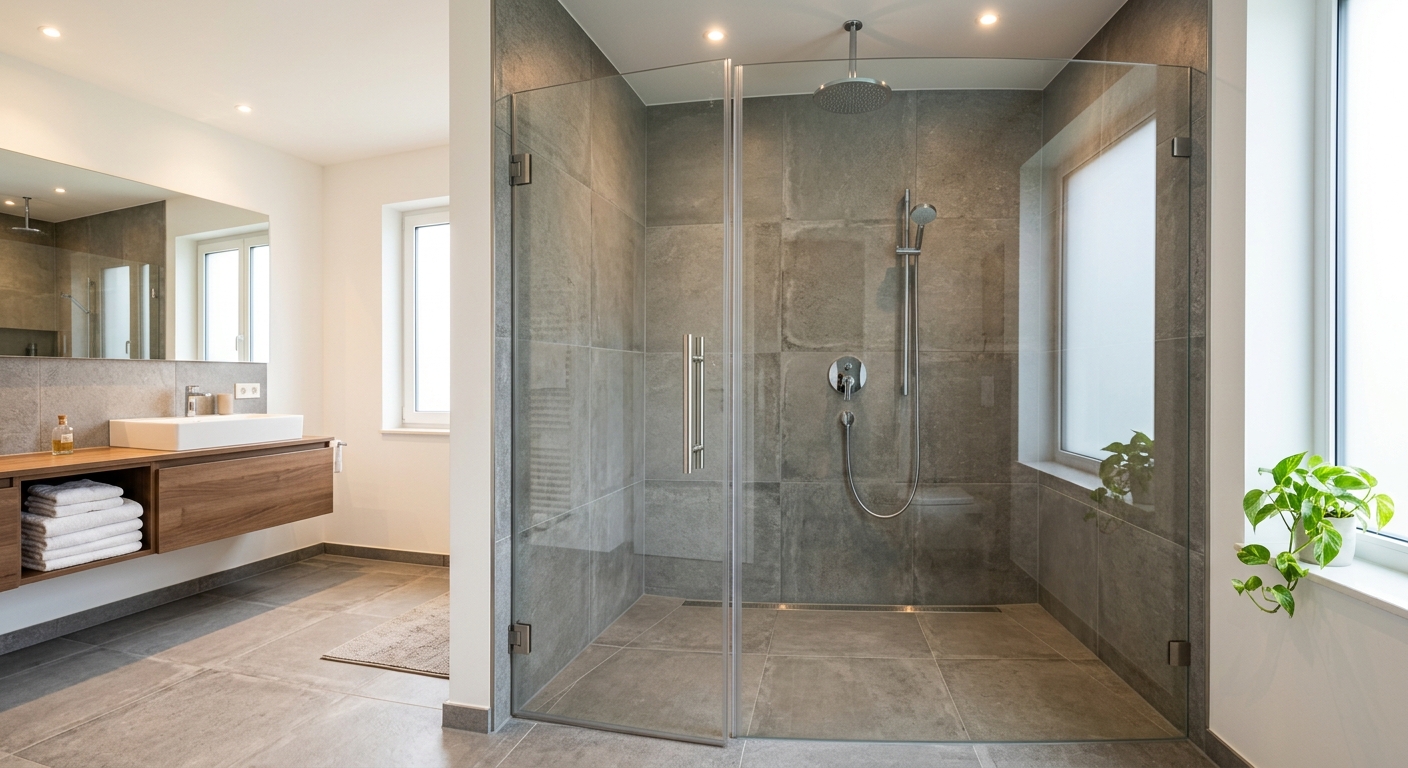
Bathroom renovation options and costs in Carleton Place
Bathroom renovation in Carleton Place usually starts with a simple question: do you want a refresh, or a full redesign? The good news is that Carleton Place homeowners have a range of options that can fit different budgets. The tricky part is that many local homes are older—41.0% of dwellings were built before 1981 (Statistics Canada, 2021 Census)—so even “cosmetic” projects can uncover dated rough-in plumbing, limited venting, or cast-iron drain sections once walls open up. With 12,517 people living in the community (Statistics Canada, 2021 Census), there’s steady demand for reputable trades, especially around the downtown and older residential pockets where renovations are most frequent.
In the Kingston–Pembroke region, pricing is shaped less by climate swings and more by jobsite realities: labour rates, the age of the housing stock, and how often contractors run into hidden issues. Ontario moisture control also matters in bathrooms, but the bigger cost drivers are waterproofing corrections, electrical upgrades (like adding proper GFCI protection), and remediation for subfloor or ventilation deficiencies. In practical terms, a job that stays in the same layout generally lands in the mid-range; once you move plumbing fixtures, improve waterproofing systems, or upgrade electrical and ventilation, budgets climb quickly—often into the upper end of typical Ontario price bands.
Below is a realistic comparison of the most common renovation scopes for Carleton Place. Use it as a planning baseline, then refine it with an itemised quote after demolition and verification of what’s behind the walls.
| Renovation Scope |
What's Included |
Typical Duration |
Price Range |
| Cosmetic refresh (paint, fixtures, accessories only) |
Paint, vanity and mirror swap (no plumbing move), toilet/trim accessories, updated lighting covers, deep clean |
2–5 days |
$2,500–$7,000 |
| Mid-range full renovation (new tile, vanity, tub/shower, electrical) |
Demolition, cement board/wet-area prep, tile floor and surround, new vanity, tub or standard shower system, new exhaust fan, GFCI-protected electrical updates |
2–3 weeks |
$15,000–$28,000 |
| High-end full renovation (custom tile, steam shower, heated floors) |
High-spec waterproofing, custom tile work, heated floor circuit, steam-ready shower build (or high-end shower system), premium fixtures, upgraded ventilation and electrical |
3–5 weeks |
$28,000–$40,000 |
| Shower-only installation (convert tub to walk-in shower) |
Remove tub, install walk-in shower base/pan system or tile floor, new glass/curb build, updated plumbing connections, waterproofing, new exhaust fan tie-in if needed |
10–18 days |
$6,500–$14,500 |
| Bathtub replacement or tub-liner install |
Remove and install tub (or liner system), recaulk and waterproof transitions, basic trim/valve replacement where required |
3–7 days |
$1,200–$6,000 |
| Tile-only installation (floor + surround, existing layout kept) |
Tile removal (as needed), floor prep, waterproofing, floor + wall tile install to existing footprint, new grout and sealing where applicable |
7–14 days |
$2,000–$10,000 |
Prices are estimates only and vary by project scope, site access and material selection.
What affects the price of bathroom renovation in Carleton Place
Two quotes for the same bathroom can differ by 30–50% across the Kingston–Pembroke region and Ontario because contractors price risk and hidden work differently. In older homes, the “same” layout on paper can become two different realities once demolition starts. Here, labour rates and the age of the housing stock usually drive costs more than weather. In the Kingston–Pembroke region, contractors commonly run into older drain stacks and supply line conditions (including older materials), plus ventilation that doesn’t meet modern moisture-control expectations. Those issues expand scope: extra time for rough-in corrections, additional waterproofing prep, and sometimes changes to exhaust fan ducting.
As an example, asbestos-containing materials were used in some older floor products and adhesives, and pre-1985 homes are where discovery most often triggers abatement protocols. That’s why a budget can jump by roughly $1,500–$5,000+ when unexpected materials are found and handled properly. Similar changes happen with subfloor unevenness—unlevel concrete or soft wood can force full re-prep before any tile installation.
Concrete Carleton Place examples: a like-for-like shower surround replacement can stay in the tile-only band (often $2,000–$10,000) when demolition finds solid substrate and the waterproofing system is straightforward. But if you convert a tub to a walk-in shower and must rework plumbing connections plus improve waterproofing coverage, you’ll typically see costs move toward the shower install range (about $3,500–$12,000) and sometimes higher with upgraded electrical and ventilation. For full renovations, staying “in place” usually fits mid-range planning (commonly within $15,000–$32,000), while fixture moves, electrical upgrades, and specialty tile finishes push budgets upward fast.
| Price Factor |
Why It Matters |
Cost Impact |
| Layout change — moving drain or supply lines requires rough-in work |
More demo, carpentry, plumbing labour, and inspection coordination |
Often +$3,000–$10,000 |
| Tile selection — large-format porcelain vs. mosaic vs. ceramic |
Cutting complexity, substrate requirements, and higher material waste |
Often +$1,000–$6,000 |
| Fixture tier — builder-grade vs. mid-range vs. designer brands |
Valves, trims, sinks, and shower systems vary widely in cost and install demands |
Often +$500–$5,500 |
| Subfloor condition — rot or unlevel concrete adds scope |
Needs replacement or re-leveling before waterproofing and tile |
Often +$1,000–$8,000 |
| Electrical — adding GFCI outlets, exhaust fan, heated floor circuit |
Licensed work, wiring runs, and circuit capacity planning |
Often +$800–$4,500 |
| Waterproofing method — membrane type and extent |
Coverage, seam treatment, and thickness dictate mould resistance |
Often +$500–$3,500 |
| Older-home surprises — asbestos tile, cast-iron drains, galvanized pipes |
Remediation, pipe upgrades, and disposal requirements increase labour and time |
Often +$1,500–$12,000+ |
| Bathroom size — sq ft drives tile and labour time directly |
More surface area means more prep, more setting material, more install time |
Often +$1,000–$7,000 |
Permits & regulations in Ontario
In Ontario, what’s “permit-worthy” comes down to whether you’re changing systems, adding electrical, or altering structure. Cosmetic updates—swapping a vanity, replacing a toilet, painting, changing mirrors/accessories, or retiling without moving plumbing—typically do not require permits. However, the moment you relocate plumbing (moving a drain or supply lines), add or change an exhaust fan, or alter structural wall framing, you should plan for permits and inspections.
Electrical work is another clear line: if new wiring is added, circuits are extended, or you’re installing a heated floor or adding GFCI protection for bathroom receptacles, that must be done to code by a licensed electrician and covered by inspection or sign-off requirements. Plumbing rough-in changes—anything behind the walls involving valves, rough-in pipe, or drainage reconfiguration—generally require permits and inspections before closing walls.
In Carleton Place, the homeowner checklist should be step-by-step:
1) Ask for the contractor’s Ontario trade licence number (and confirm it matches their legal company name on their invoice). 2) Request a certificate of insurance for liability coverage and ensure the effective dates cover the full renovation window. 3) Confirm WSIB/WCB coverage applies to the trades scheduled for the job. 4) Ask whether permits are included in the quotation, and who will pull them. 5) When possible, request a written clearance/confirmation letter of status for coverage and permits so there’s no gap between scheduling and inspection.
Choosing tile, waterproofing and fixtures for your Carleton Place bathroom
In Carleton Place, the three material decisions that most often control your bathroom renovation budget are tile selection, waterproofing method, and fixture tier. First, tile: ceramic is usually the entry-level choice for floor and wall, and it’s budget-friendly when the layout is simple. Porcelain is typically denser, handles wet conditions well, and often costs more—but installation can still be predictable if you plan the cuts. Natural stone (marble, travertine, slate) looks high-end, yet it introduces extra labour considerations: careful setting, sealing, and more attention to flatness and movement, which makes costs climb quickly.
Second, waterproofing. Ontario bathrooms see persistent humidity, so the waterproof layer is the mould-prevention system—not just a “water-resistant” paint. A paint-on membrane can be practical for certain areas, but a bonded sheet membrane or a proven system (including a proper tiling-compatible approach) generally offers more robust protection where shower walls and floor transitions need it. The right system also depends on substrate readiness and seam detailing; skipping steps is what causes future failures.
Third, fixtures. Builder-grade valves and trim can keep your total budget closer to the mid-range renovation band (often $15,000–$32,000 for full renos when layout stays similar). Upgrading to mid-range or designer shower components can add cost, but it’s justified when you’re replacing valves properly, selecting a consistent finish, and planning efficient access for long-term service.
Concrete dollar example: choosing tile in the mid-range tier may add a few thousand dollars compared with entry-level ceramic, but that difference is often cheaper than redoing waterproofing later. In other words, investing in the waterproofing method and correct tile system can prevent a repeat renovation cost that would dwarf the initial savings.
| Material / Option |
Pros |
Cons |
Price Range |
| Ceramic tile (floor + walls) |
Budget-friendly, broad colour options, good for straightforward layouts |
Typically softer/less dense than porcelain; more prone to chipping if subfloor movement exists |
$2,000–$7,000 |
| Porcelain tile (floor + walls) |
Excellent wet-area durability, better strength, often easier to clean |
Higher material cost; large-format pieces require flatter substrates |
$4,000–$10,000 |
| Natural stone (marble, travertine, slate) |
Luxury look, unique veining, strong curb appeal for resale |
Sealing/maintenance, higher labour and material handling, more variability in installation |
$8,000–$16,000 |
| Frameless glass shower enclosure |
Bright, modern appearance; easier to wipe than framed units |
Higher cost for custom sizing; requires precise plumbing and tile alignment |
$2,000–$6,500 |
| Prefab tub surround (acrylic) |
Faster install, fewer tile labour hours, easy cleanup |
Limited design options; transitions still need careful sealing; may not match high-end tile aesthetics |
$1,200–$4,000 |
| Custom shower pan (tile or linear drain) |
Custom fit, modern linear-drain look, excellent integration with waterproofing |
More labour and detailing; substrate prep and slope accuracy are critical |
$3,500–$12,000 |
How to choose a bathroom renovation contractor in Carleton Place
Choosing the right contractor in Carleton Place is mostly about verification and clarity. Start with Ontario licensing and coverage. Ask for: (1) the contractor’s Ontario trade licence (where applicable to the scope), (2) a certificate of insurance showing liability coverage during the project dates, and (3) proof of WSIB/WCB coverage for workers. You should be able to see these documents before signing—if a contractor avoids providing them, that’s a major warning sign.
Next, request 2–3 itemised written quotes, not vague lump sums. A good bathroom quote breaks down labour and materials by scope: demolition, plumbing rough-in changes, waterproofing method, tile supply and install, electrical work, ventilation fan and ducting (if needed), and disposal/haul-away. Confirm whether permits are included, and whether inspection fees and schedules are accounted for. Also confirm exclusions: what’s not included (for example, moving radiators, repairing subfloor damage, or replacing subfloor/wet-area framing).
Warranty matters in two layers. You want a workmanship warranty length (often longer for full renos) and separate product/manufacturer warranty details for tile, shower systems, membranes, and fixtures. Ask if warranties transfer if you sell the home.
Finally, keep payment structure sensible: never pay more than 10–15% upfront, and hold back funds until key milestones are complete and the bathroom passes the pre-close checks. Get the timeline and start/completion dates in writing—especially if ordering glass, tile, or specialty shower components.
- Confirm Ontario trade licence details for relevant trades and the legal company name on the invoice.
- Collect certificates of insurance (liability) and verify coverage is active for the job dates.
- Verify WSIB/WCB coverage for workers scheduled on site.
- Get 2–3 itemised quotes with line-by-line labour and materials (not one total number).
- Check scope for permit pull responsibility and inspection scheduling.
- Confirm disposal/haul-away is included for demolition debris.
- Ask the exact waterproofing method and who installs it (membrane type and seam treatment).
- Review subfloor prep responsibilities (leveling, rot removal, cement board requirements).
- Ensure electrical scope is clear: GFCI, fan, and heated-floor circuit if applicable.
- Ask what’s included in shower glass: measurements, hardware, and installation timing.
- Clarify warranty: workmanship duration, product warranties, and whether they transfer.
- Use a milestone payment schedule; avoid large upfront deposits.
In Carleton Place, common red flags include quotes that omit waterproofing specifics, contractors who refuse to provide proof of WSIB/WCB or liability insurance, “lump sum” proposals without line items for tile prep and electrical, aggressive deposits beyond 10–15% upfront, and plans that don’t clearly state who pulls permits and handles inspections.
Frequently asked questions — bathroom renovation in Carleton Place
Do I need waterproofing behind the tile?
In most Carleton Place bathroom renovations, yes—waterproofing behind tile is strongly recommended because bathrooms are a wet-area environment with ongoing humidity. The key isn’t just “paint-on water resistance”; it’s building a continuous system that includes proper prep, membrane coverage, and seam/transition detailing where water commonly travels. If you’re tiling shower walls or doing a floor in a wet zone, proper waterproofing is the difference between a renovation that stays sound for years and one that can develop mould or grout/tile failures. If your home is older (many built before 1981, Statistics Canada, 2021 Census), substrate conditions and hidden plumbing issues can make this even more important. Budget-wise, waterproofing is usually a cost add-on within a mid-range reno, not an optional “nice-to-have,” and it helps protect the investment inside the typical $15,000–$32,000 full-renovation band.
How do I compare bathroom renovation quotes?
Compare quotes by scope and line items, not by total price alone. In Carleton Place and the Kingston–Pembroke region, one contractor may include permits, disposal, and a full waterproofing system while another lists “tile install” only—then charges extra once walls open. Ask for an itemised breakdown of labour and materials: demolition, waterproofing method (membrane type), subfloor prep/leveling, tile supply and install, electrical (GFCI, exhaust fan, heated floors if any), and plumbing rough-in changes. Confirm whether disposal is included and what triggers change orders (for example, asbestos discovery or rotten framing). If one quote is much lower than the others, it may be missing critical pieces, which can turn into costly rework. Use bands as sanity checks: full renovations often land within $15,000–$32,000, while shower conversions commonly sit within the $3,500–$12,000 planning range if the layout isn’t heavily changed.
Can I live at home during a bathroom renovation in Carleton Place?
Often, yes—depending on the scope and how fast trades can work. In a cosmetic refresh, you may be able to stay home with minimal disruption. For a full reno, many homeowners can live on-site if there’s a second bathroom and the work can be staged: keep access to kitchen/laundry, secure the dust barrier, and plan for water shutoffs only during rough-in or valve changes. If you’re converting a tub to a shower or doing heavy plumbing modifications, expect a longer period when the bathroom is partially or fully out of service. That said, schedules can be tightened when materials (tile, glass, fixtures) are confirmed early. A key Carleton Place planning tip: older housing (many homes built before 1981) can create surprises behind the walls, which can extend timelines. If you’re trying to stay at home, make sure your contractor provides a written start date, completion estimate, and milestone dates for when fixtures will be usable.
What's the best bathtub material for a Carleton Place home?
The “best” bathtub material depends on how you use the space and what you want to balance between budget, durability, and long-term maintenance. Common options include acrylic tubs (often lower cost and easier to install), and higher-end systems that may cost more depending on access and whether you’re replacing plumbing valves or upgrading waterproofing details. In Carleton Place, if you’re not moving the plumbing layout, bathtub replacement can be one of the lower-cost line items—typically in the $1,200–$6,000 band—making it a practical choice for homeowners aiming to stay closer to a mid-range full renovation plan. If your bathroom has older subfloor or drain conditions, the “best material” is the one installed with correct sealing and waterproofing transitions, because that prevents future leaks and mould regardless of tub type.
Is it worth renovating a bathroom before selling in Carleton Place?
Usually, a bathroom renovation is worth considering if it addresses visible issues—cracked tile, outdated finishes, poor ventilation, or signs of water damage—because buyers in Ontario commonly expect a clean, dry, functional wet area. However, the best ROI depends on scale. If you’re keeping the layout similar, a renovation that lands within the mid-range planning band (often $15,000–$32,000) can modernize the bathroom without overbuilding. If your home is older (with 41.0% of dwellings built before 1981, Statistics Canada, 2021 Census), prioritize the items that reduce risk: a properly detailed waterproofing system, correct exhaust ventilation, and safe electrical (GFCI protection). That focus often helps your sale more than chasing premium tile or designer steam components. Overly custom work can be harder to recover unless you know the buyer segment you’re targeting.
How do I plan a bathroom renovation on a tight budget in Carleton Place?
On a tight budget in Carleton Place, the goal is to spend where it prevents expensive failures later. First, keep the layout the same if possible—moving drains and supply lines is where costs rise quickly because rough-in work expands. Second, allocate budget to waterproofing and substrate prep; cutting here can lead to mould and costly repairs. Third, consider a phased approach: you might do tile replacement and ventilation first, then upgrade fixtures later, but only if the waterproofing and rough-in are done correctly from the start. Use the price bands as guardrails: cosmetic refreshes can be far less (often $2,500–$7,000 for paint/fixtures/accessories), while a shower conversion (typically $3,500–$12,000 when layout changes are limited) is often a more budget-friendly way to modernize than a full remodel. Finally, get itemised quotes so you can spot what’s included (permits, disposal, electrical, waterproofing method) and avoid budget surprises from older-home discoveries.