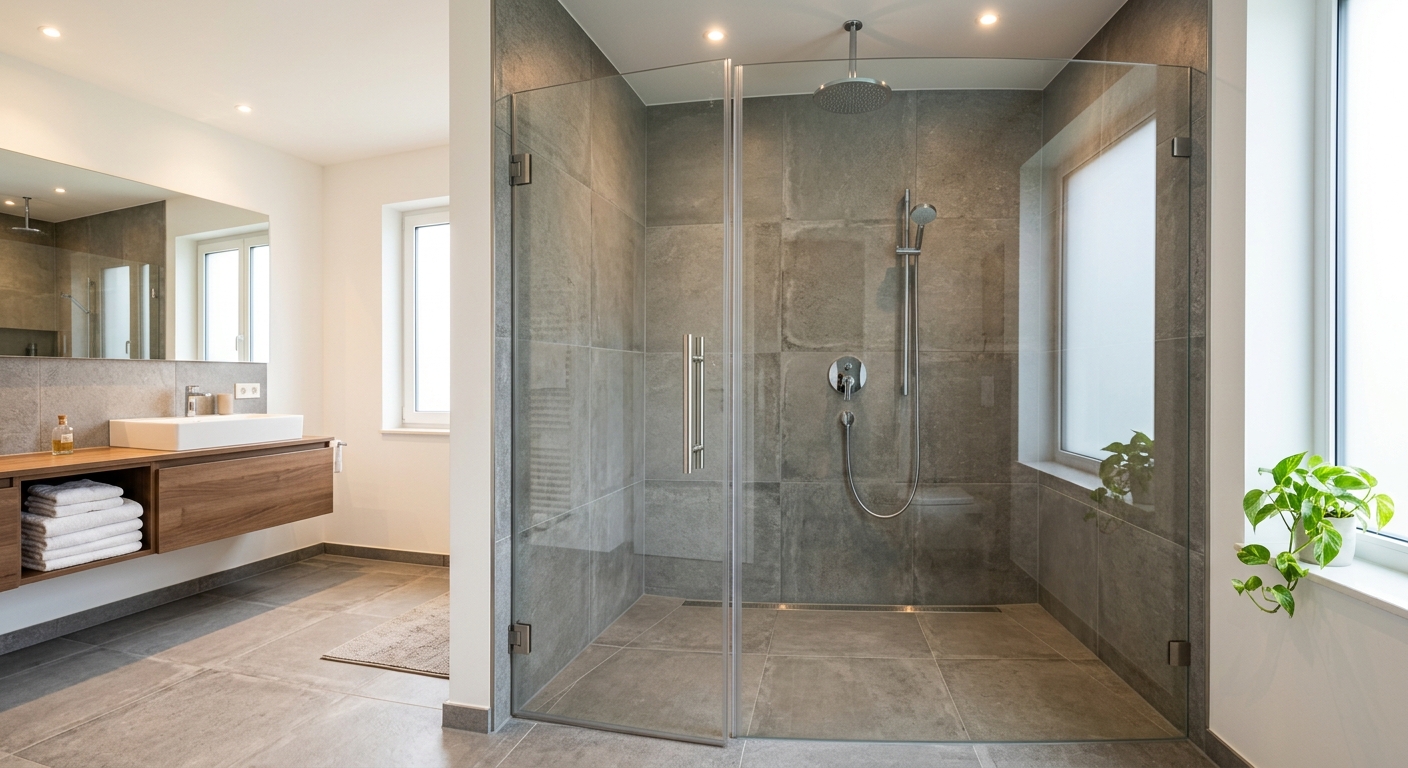
Bathroom renovation options and costs in Metrotown
Bathroom renovations in Metrotown usually start with a simple choice: do you want a fresh look only, or are you ready to open walls and floors? With Metrotown and the wider Lower Mainland–Southwest built around mid-century homes—Statistics Canada’s 2021 Census puts the population at 52,355—you’ll see a lot of dated plumbing layouts, older ventilation runs, and finishes that don’t match today’s waterproofing expectations. In many pre‑1985 homes, it’s also common to run into surprises like cast-iron or galvanized components, and sometimes asbestos-containing materials in older flooring or drywall compound, which can push budgets higher once discovered.
In this region, the biggest cost drivers are not the weather itself so much as labour rates and housing age. Metro Vancouver has strong renovation demand, and trades such as plumbers, tilers, and electricians can be booked further out—so labour becomes the difference between a “good” quote and an “all-in” quote. Even modest upgrades can expand once the contractor verifies drain condition, venting, and existing supply lines. That’s why in neighbourhoods like Metrotown (including the Metrotown Centre area and surrounding condo-townhouse pockets), it’s especially common to see projects add plumbing/venting scope after wall opening.
Use the guide below to compare common renovation paths, then we’ll break down what can move your final price in either direction.
| Renovation Scope |
What's Included |
Typical Duration |
Price Range |
| Cosmetic refresh (paint, fixtures, accessories only) |
Paint, vanity hardware, toilet/vanity faucet swap, lighting refresh, accessories; no tile demolition unless needed for fixture access |
3–7 days |
$2,500–$7,500 |
| Mid-range full renovation (new tile, vanity, tub/shower, electrical) |
Demo and rebuild of tub/shower surround, new floor tile, new vanity and toilet, rework exhaust fan, updated lighting, waterproofing, basic electrical upgrades |
2–4 weeks |
$18,000–$32,000 |
| High-end full renovation (custom tile, steam shower, heated floors) |
Premium tile and layout, custom shower/steam features (or high-spec tub surround), heated floors, upgraded lighting/ventilation, higher-end fixtures and finishes |
3–6 weeks |
$32,000–$45,000 |
| Shower-only installation (convert tub to walk-in shower) |
Remove tub, install walk-in shower pan and tile surround, new valve trim, glass/door option, ventilation refresh as needed |
1.5–3 weeks |
$8,000–$20,000 |
| Bathtub replacement or tub-liner install |
Replace existing tub with new alcove tub, recaulk/finish tile edges; or install tub liner system where conditions allow |
5–10 days |
$1,500–$6,000 |
| Tile-only installation (floor + surround, existing layout kept) |
Remove and replace tile only, re-grout/surface prep as required, waterproofing upgrades within the tiled area; keep same vanity/drain locations |
1.5–3 weeks |
$2,000–$8,000 |
Prices are estimates only and vary by project scope, site access and material selection.
What affects the price of bathroom renovation in Metrotown
It’s common for homeowners to get two quotes that look “for the same bathroom,” yet land 30–50% apart in the Lower Mainland–Southwest. That gap usually comes from how thoroughly the contractor investigates the existing plumbing/electrical and how much labour and remediation they allow for. Compared to other parts of British Columbia, the Lower Mainland’s labour costs and the age of housing stock push up budgets once walls open—especially in older mid‑century homes where drain stacks, supply lines, and wiring may not be ideal for today’s code requirements. Climate itself is only part of the story; the real driver is that British Columbia bathrooms get frequent steam cycles and humidity, so waterproofing and ventilation are treated as core scope, not “extras.”
Older homes in the Lower Mainland–Southwest often hide issues like cast-iron or galvanized drain components needing upgrading, outdated copper supply lines, and inadequate ventilation ducting. Any asbestos-containing material discovery (for example in pre‑1985 vinyl floor tile or drywall compound) triggers abatement protocols and adds meaningful cost—often $1,500–$5,000+ depending on containment and the extent of affected materials. Electrical scope can also widen; adding a GFCI outlet, upgrading the exhaust fan circuit, or running a heated-floor line can move a project into the next price tier.
Concrete examples from Metrotown: (1) moving a toilet or tub drain—even a small shift—forces rough-in work and typically raises labour more than material costs; (2) large-format porcelain tile increases layout labour and waste, which can nudge a tile-only scope toward the higher end of the $2,000–$8,000 band; (3) upgrading from a basic shower valve and vent fan to a more efficient setup can move a “mid-range” job closer to $18,000–$32,000. Contingency planning keeps budgets predictable when the true condition shows itself after demo.
| Price Factor |
Why It Matters |
Cost Impact |
| Layout change — moving drain or supply lines requires rough-in work |
Plumbing rough-in plus patching/finishing changes the scope and trade schedule |
Often adds several thousand dollars; commonly shifts the job 10–25% higher |
| Tile selection — large-format porcelain vs. mosaic vs. ceramic |
Harder materials need more careful prep and layout time; mosaics increase labour density |
Can add ~10–20% to a tile-and-waterproofing scope |
| Fixture tier — builder-grade vs. mid-range vs. designer brands |
Valve quality, finishes, and trim options vary widely and affect installation complexity |
Material differences can move total cost 5–15% even with the same layout |
| Subfloor condition — rot or unlevel concrete adds scope |
Repairs, membrane prep, and re-levelling extend labour and materials |
Frequently adds $1,000–$4,000+ |
| Electrical — adding GFCI outlets, exhaust fan, heated floor circuit |
New circuits require licensed work and inspections; heated floors add wiring and testing steps |
Often adds $500–$3,000+ depending on what’s upgraded |
| Waterproofing method — membrane type and extent |
Better systems and coverage reduce future mould and leakage risk in humid bathrooms |
May add $800–$2,500, but prevents costly redo |
| Older-home surprises — asbestos tile, cast-iron drains, galvanized pipes |
Discovery changes scope, triggers remediation, and may require permits and extra trades |
Can add $1,500–$5,000+ and extend timelines |
| Bathroom size — sq ft drives tile and labour time directly |
More area increases tile, backer prep, waterproofing, and finishing labour |
Small bathrooms can cost closer to the minimum; larger baths can push toward high-end bands |
Permits & regulations in British Columbia
In British Columbia, many cosmetic updates in a bathroom don’t require a permit. For Metrotown homeowners, that usually means tasks like swapping a vanity or faucet, replacing a toilet, painting, replacing trim, updating accessories, and retiling with no changes to plumbing routes or wall structure. However, permits and inspections typically apply when you relocate plumbing (moving a drain or supply line), add new exhaust ventilation that requires new ducting or an updated circuit, or make structural changes to walls.
Electrical work has its own boundary: any new circuits, additions to the existing wiring, or modifications tied to outlets, lighting, exhaust fans, or heated flooring must be completed by a licensed electrician and meet provincial code. Plumbing rough-in changes usually require a permit and inspection as well, especially when valves, drains, or venting are altered. If your contractor says they can “just do it” without permits while moving anything behind the walls, that’s a red flag.
To verify before signing, ask for the contractor’s British Columbia trade licence details (and check it through the appropriate provincial registry), then request a certificate of insurance showing liability coverage. For workplace injury coverage, confirm WSIB/WCB status for the trades that will be on site (and request documentation). A clearance letter or current proof of coverage is what you’re looking for; don’t accept a verbal promise.
Choosing tile, waterproofing and fixtures for your Metrotown bathroom
In Metrotown, the three decisions that most strongly shape a bathroom reno budget are tile choice, waterproofing method, and fixture tier. First, tile: entry-level ceramic can be budget-friendly, but it’s typically more forgiving in floor use and cost less than porcelain. Porcelain is denser and more stable for floors and wet areas, and mid-range porcelain usually performs better long-term if you’re selecting something suitable for slip resistance. Natural stone (marble, travertine, slate) looks exceptional but can require additional sealing and careful substrate prep; installation labour and material allowances rise quickly because tolerances are tighter and replacements are more expensive.
Second, waterproofing: in British Columbia’s humidity and frequent showers, waterproofing isn’t optional. A paint-on membrane can work for certain systems, but many renos use bonded sheet membranes or a well-detailed proprietary system (including corner/transition detailing) for more reliable performance behind tile. Third, fixture tier: builder-grade fixtures save upfront, but mid-range valves, better cartridges, and smoother trim often reduce maintenance and improve day-to-day use—important for resale in a high-demand area like Metrotown.
Where the price difference is justified: for example, upgrading from a basic shower valve and membrane package to a proven waterproofing system and a mid-range valve may add a few hundred to low-thousands, but it’s often less than the cost of diagnosing a leak later. If your renovation target is mid-range (often in the $18,000–$32,000 range), putting money into waterproofing and competent waterproof detailing usually beats spending on ultra-luxury stone if your layout is simple. For a shower-only conversion, prioritizing a correct pan and membrane can make the difference between a walk-in shower that lasts and one that shows failures early—closer to the $8,000–$20,000 band when done properly.
| Material / Option |
Pros |
Cons |
Price Range |
| Ceramic tile (floor + walls) |
Lower material cost, good appearance variety, widely available sizes |
More variability in durability vs. porcelain; careful selection needed for slip resistance |
$2,000–$5,500 |
| Porcelain tile (floor + walls) |
Denser and more water-resistant, better for floors; more consistent performance |
Can be heavier and may require more precise layout and substrate prep |
$3,000–$8,000 |
| Natural stone (marble, travertine, slate) |
Premium look and resale appeal; unique veining and texture |
Higher labour/material cost; sealing and maintenance are often required |
$6,000–$12,000 |
| Frameless glass shower enclosure |
Modern look; easier to clean than traditional frames |
Can be costly; requires accurate measurements and sturdy mounting |
$2,000–$6,000 |
| Prefab tub surround (acrylic) |
Fast install; fewer tile breaks; budget-friendly for tub surrounds |
Less “designer” than tile; seams and fit can affect long-term water management if not detailed well |
$1,500–$4,000 |
| Custom shower pan (tile or linear drain) |
Improves accessibility and modern look; linear drains handle flow better visually |
More labour and waterproofing detailing; can increase schedule |
$3,500–$10,000 |
How to choose a bathroom renovation contractor in Metrotown
Choosing the right bathroom contractor in Metrotown comes down to proof and paperwork, not marketing photos. Start with British Columbia licensing: confirm the relevant trade licences for plumbing and electrical, and ask who will be doing each scope (and who is signing off). For liability insurance, request a current certificate showing coverage limits and the effective dates; for WSIB/WCB coverage, ask for evidence of workplace injury coverage for the trades working on your home. If you get “we’re covered” without documents, treat it as an incomplete quote process.
Next, get 2–3 itemised written quotes, not lump sums. A good bathroom quote breaks labour and materials apart: demo, waterproofing, tile installation, electrical rough-in, fixtures, disposal, and any permit allowances. Read exclusions line by line—ask whether permit pulling is included, whether you’ll have a dedicated demolition crew, how disposal and recycling are handled, and what happens if asbestos is discovered during demo. Warranty matters too: confirm the workmanship warranty length and whether it applies to waterproofing and tile installation, then ask about manufacturer/product warranties and whether any warranty is transferable to you as the homeowner.
For payment schedule, avoid large deposits. As a rule of thumb, never pay more than 10–15% upfront, and hold back the remainder until the job is complete and defects are corrected. Finally, request a written start date and completion estimate. Bathroom schedules are often affected by tile lead times and inspection availability, so ask how the contractor manages delays.
- Provide BC licence info for the trades that will do plumbing and electrical work
- Show current liability insurance certificate (ask for limits and dates)
- Confirm WSIB/WCB coverage with documentation for workers on site
- Get 2–3 itemised quotes: labour + materials + disposal + allowances
- Verify permit pulling is included (or listed as a separate line item)
- Confirm waterproofing scope: membrane type, coverage area, and detailing at corners
- Ask what’s excluded: subfloor repairs, asbestos testing/abatement, and unexpected joist issues
- Review product lists: tile brands/sizes, vanity model, toilet model, shower valve/trim
- Check timeline in writing: start date, milestone dates, and inspection scheduling
- Understand warranty terms: workmanship length, proof needed, and what’s covered (especially leaks)
- Use a payment plan with small upfront deposit (10–15%) and final holdback
- Confirm site logistics: protection of floors/doors, dust control, and cleanup frequency
Concrete red flags in Metrotown: (1) quotes that don’t specify waterproofing system details; (2) “we’ll handle permits” with no clarity on who pulls them; (3) no proof of insurance and coverage; (4) no itemised materials list (just “fixtures allowance”); and (5) a payment schedule asking for large upfront amounts before any work begins.
Frequently asked questions — bathroom renovation in Metrotown
What adds the most resale value in a bathroom reno?
In Metrotown and across British Columbia, buyers typically pay attention to finish quality, functional layouts, and visible “risk-reducers” like modern waterproofing and updated ventilation. The biggest value tends to come from a full refresh that includes new tile where it matters, a reliable shower/tub setup, and a properly upgraded exhaust fan (venting and electrical changes, when required). Upgrading the toilet, vanity, and lighting also matters because it improves perceived cleanliness and daily usability. If you’re targeting a renovation budget like the mid-range full reno band ($18,000–$32,000), prioritise waterproofing + a consistent tile system over expensive accessories. Cosmetic-only work looks good, but it rarely matches the resale impact of a fully rebuilt wet area.
Can I keep my existing plumbing layout to save money?
Yes—keeping your existing plumbing layout is one of the most effective ways to control costs in Metrotown. If you don’t move the drain or supply lines, you reduce the rough-in work and drywall/wall patching that drives labour time. That’s why many homeowners choose a tub-to-shower conversion (still within a similar footprint) or a tile refresh that keeps the same vanity and toilet locations. In the Lower Mainland–Southwest, where labour rates are higher, avoiding plumbing moves can be a larger savings lever than choosing cheaper tile. If an inspection reveals damaged drains or supply issues, the layout might stay the same but you may still need repairs behind the walls—budgeting for “discovery” helps keep the project from expanding into the next price tier.
How much does a walk-in shower cost in Metrotown?
A walk-in shower conversion (typically converting a tub to a shower) in Metrotown commonly lands around the shower installation band of $8,000–$20,000. The spread depends on whether you’re staying with your current drain position, the level of tile complexity, and whether you’re adding a glass enclosure and upgrading waterproofing details. If your bathroom is older and the contractor discovers cast-iron drainage or ventilation challenges, scope can increase because the shower pan and venting must be addressed correctly. A “basic” walk-in with simple surrounds can sit near the lower end, while a custom pan with premium tile and frameless glass usually moves toward the upper end of that range.
What's the ROI on a bathroom renovation?
Bathroom ROI in British Columbia varies, but the practical return comes from updating features that affect function and inspection risk: waterproofing quality, ventilation, and fixture reliability. Realistically, you won’t recover 100% of renovation spend dollar-for-dollar in all market cycles, but well-executed work supports resale appeal, reduces buyer anxiety about leaks, and can shorten time on market. If you keep your layout and invest within the mid-range full renovation band ($18,000–$32,000), you typically capture more of the “value-per-dollar” than going all the way to high-end finishes without also improving the underlying wet-area build quality. The best ROI strategy in Metrotown is aligning spend with what buyers can see (tile, glass, lighting) and what they can’t (waterproofing and venting).
Do I need waterproofing behind the tile?
Yes, you should plan on waterproofing behind the tile in a properly built British Columbia bathroom—especially in shower areas. Tile alone is not a waterproofing system; water can migrate through grout joints, at corners, and around penetrations. In Metrotown renos, waterproofing is a core component of shower builds and is typically included in quality mid-range and high-end projects. The specific method varies: paint-on membranes, bonded sheet membranes, or a system that includes correct detailing at corners, transitions, and around valves. If a contractor proposes “just tile and caulk,” ask how they’re managing moisture in corners and around the shower valve. Correct waterproofing costs can be more than a shortcut, but it’s usually far cheaper than remediation after leaks.
How do I compare bathroom renovation quotes?
Compare quotes the way you’d compare appliances: not by the total number alone, but by what’s included. For Metrotown projects, ask for itemised breakdowns showing labour and materials, and confirm whether permit pulling is included for plumbing/electrical scope changes. Make sure waterproofing details are specific: membrane type, coverage areas, and what’s done at corners and transitions. Check disposal and site protection are listed, and verify whether asbestos discovery is handled with a defined process (and potential cost range). Also confirm the payment schedule (10–15% upfront max is a good guideline) and the warranty terms for workmanship and products. If two quotes differ by several thousand dollars, the better one is usually the one that has fewer vague allowances and clearer responsibility for inspections.