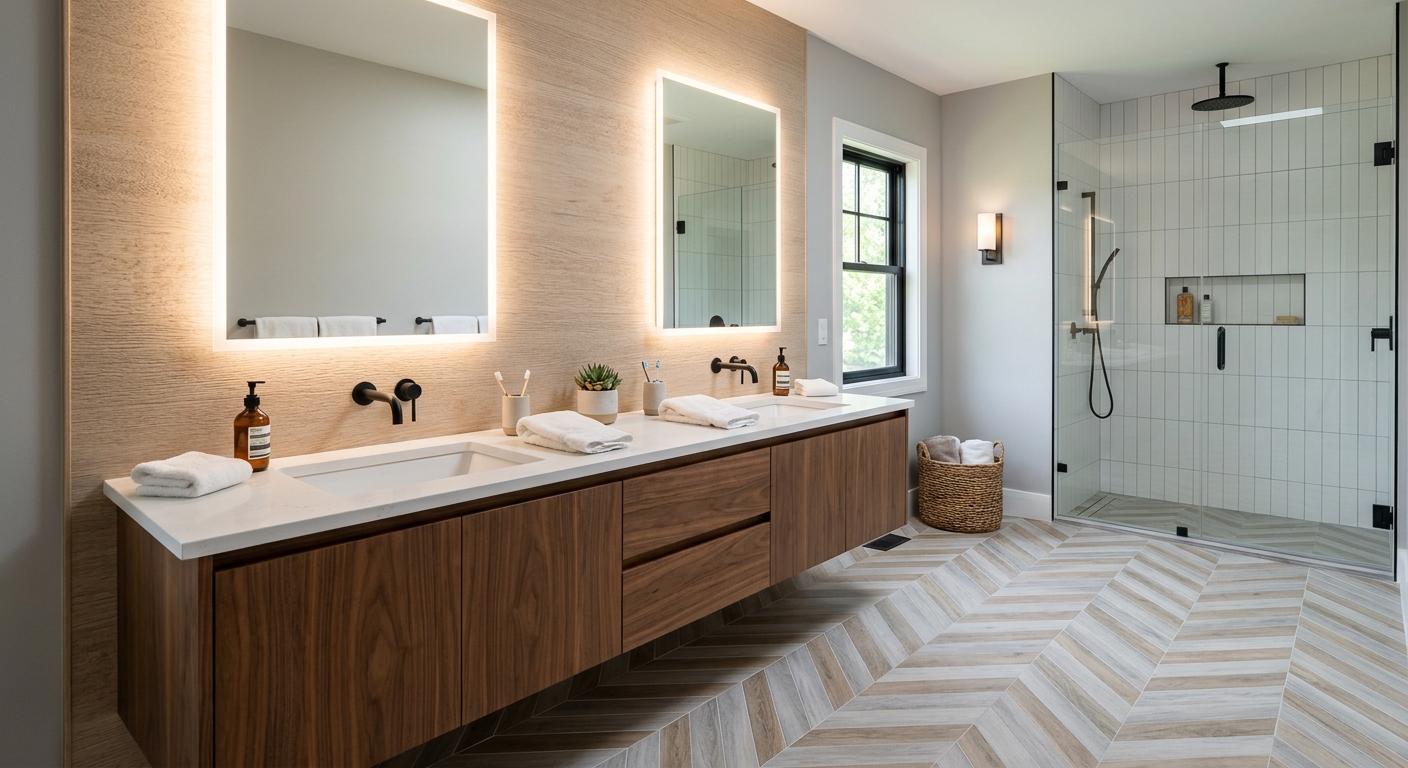
Bathroom renovation options and costs in Broadmoor
Bathroom renovations in Broadmoor vary widely, largely because the area sits within the Lower Mainland–Southwest market where labour costs and the age of nearby homes heavily influence budgets. With a local population of 23,050 (Statistics Canada, 2021 Census), contractor demand stays steady, and that keeps skilled trades busy. Broadmoor also has plenty of mid-century and older housing stock, which often means dated plumbing layouts—so once walls and floors are opened, projects can expand from a “simple refresh” into drain stack, supply line, and venting upgrades to get things solid and code-compliant.
In the Lower Mainland–Southwest, renovations are rarely affected by outdoor “weather days” the way some colder regions are; instead, costs are driven by how quickly multiple trades can be scheduled, and by how often hidden issues are discovered in older assemblies. It’s common in pre-1980 houses to encounter aging cast-iron drains, galvanized supply lines, and sometimes asbestos-containing materials in flooring, drywall compound, or insulation—each can add remediation scope and coordination. If you’re in the Broadmoor neighbourhood near the older duplex and townhome pockets, tilers and plumbers are especially in demand because many bathrooms share similar layouts and dated rough-ins.
The sections below show typical Broadmoor scope options and how they translate into real-world ranges, so you can compare like-for-like before you book measurements. Use the table as your baseline, then we’ll talk about what moves the price up or down.
| Renovation Scope |
What's Included |
Typical Duration |
Price Range |
| Cosmetic refresh (paint, fixtures, accessories only) |
Paint, replace vanity or faucets (no plumbing move), lighting refresh, toilet upgrade, towel bars, accessory installs |
3–7 days |
$6,000 – $14,000 |
| Mid-range full renovation (new tile, vanity, tub/shower, electrical) |
Demolition, waterproofing system, floor and surround tile, vanity and toilet, tub/shower replacement or refinishing + new trim, new exhaust fan, GFCI where required |
2–3 weeks |
$18,000 – $33,000 |
| High-end full renovation (custom tile, steam shower, heated floors) |
Custom tile detailing, premium waterproofing, heated floor circuit and upgrades, designer vanity, frameless glass, steam shower package, upgraded lighting/venting, niche shelving |
3–5 weeks |
$33,000 – $45,000 |
| Shower-only installation (convert tub to walk-in shower) |
Remove tub, new shower pan + waterproofing, tile surround, frameless or semi-frameless enclosure option, plumbing adjustments to drain/supply, new exhaust fan |
1.5–3 weeks |
$15,000 – $28,000 |
| Bathtub replacement or tub-liner install |
Replace tub with similar footprint (or tub-liner prep and install), new valves/trim (as needed), re-tile or seal transition areas, basic electrical for lighting/exhaust if tied in |
5–12 days |
$3,500 – $6,500 |
| Tile-only installation (floor + surround, existing layout kept) |
Tile removal and install, waterproofing prep, grout/seal, coordinated transitions (no major plumbing moves), existing vanity/toilet remain where feasible |
7–14 days |
$7,000 – $15,000 |
Prices are estimates only and vary by project scope, site access and material selection.
What affects the price of bathroom renovation in Broadmoor
Even when two homeowners ask for “the same bathroom,” quotes in Broadmoor can differ by 30–50% across the Lower Mainland–Southwest and the rest of British Columbia. The biggest drivers are regional labour rates—often higher in Metro Vancouver and nearby communities—and what the contractor finds once the room is opened. In older homes, that discovery matters more than any single climate factor: renovations frequently include plumbing and venting upgrades to replace aging drains, improve flow, and ensure proper venting and waterproofing practices.
For example, in the Lower Mainland–Southwest, older bathrooms often hide cast-iron drains and inadequate ventilation paths. If a drain stack shows corrosion or leaks, the “tile-only” plan turns into a rough-in and patching project. Likewise, outdated galvanized supply lines may require change-outs so your new fixtures function correctly and don’t fail prematurely. Another common budget shock is asbestos-containing material in floor tile, drywall compound, or insulation in pre-1985 homes. If asbestos abatement is required, expect remediation to add roughly $1,500 – $5,000+ before you even consider extra labour trades and inspection coordination.
Concrete Broadmoor examples: (1) moving a vanity location even 12–18 inches can trigger drain and supply modifications, adding time for rough-in; (2) switching to large-format porcelain can increase labour because of layout planning, substrate prep, and tolerances; and (3) adding a heated floor circuit typically requires additional electrical coordination, which is why heated upgrades push projects toward the mid-to-upper bands (for full renovations, that’s often in the $18,000 – $45,000 range). If the room is already well-prepped and layout stays intact, you may be closer to the lower side of the $18,000 – $33,000 band for mid-range full renovations.
| Price Factor |
Why It Matters |
Cost Impact |
| Layout change |
Moving drain or supply lines requires rough-in work, new chases, and more patching |
Often +10–25% vs. keeping layout |
| Tile selection |
Large-format porcelain is heavier, needs flatter substrates and more precise layout than ceramic |
Often +$1,000–$4,000 in material and labour |
| Fixture tier |
Builder-grade fixtures are faster to install; designer brands may add trim complexity and lead time |
Common swing of +$1,500–$6,000 |
| Subfloor condition |
Rot, deflection, or unlevel concrete can require rebuilds, underlayment changes, and extra prep |
Often +$1,000–$5,000+ |
| Electrical |
GFCI outlets, properly sized exhaust fan wiring, lighting changes, and heated floors add labour and inspection steps |
Common +$800–$4,000+ |
| Waterproofing method |
Membrane type and coverage influence labour time and material cost, but reduce long-term leak risk |
Often +$600–$2,500, typically worth it |
| Older-home surprises |
Asbestos tile, cast-iron drains, and galvanized pipes can trigger remediation and replacement scope |
Can add $1,500 – $5,000+ for abatement plus more trades |
| Bathroom size |
Square footage drives tile quantity, waterproofing area, and labour time for install and detailing |
Often +$300–$800 per additional sq ft equivalent scope |
Permits & regulations in British Columbia
In British Columbia, many bathroom updates are considered cosmetic and typically do not require a permit—swapping fixtures and finishes is usually straightforward. That includes replacing a vanity (keeping plumbing where it is), changing faucets, updating lighting trim that doesn’t alter wiring runs, painting, and retiling where you’re not relocating plumbing or making structural wall changes. Replacing a bathtub or shower unit “in the same location” can sometimes remain permit-light, but once plumbing rough-in changes are involved, permitting commonly enters the picture.
Work that typically does require a permit includes: relocating plumbing (moving drains or supply lines), adding or changing an exhaust fan when it involves new wiring circuits, any electrical changes beyond minor like-for-like swaps, and structural changes (opening walls for new venting, moving studs, or altering load-bearing elements). Electrical work must meet BC code and be done by a licensed electrician, with sign-off where required. Plumbing rough-in changes generally require permit and inspection so the rough components are verified before walls and floors close up.
Step-by-step for homeowners in Broadmoor: (1) ask for the contractor’s British Columbia trade licence details and confirmation they’re permitted for the specific scope (plumbing/electrical as applicable); (2) request a certificate of insurance (liability) and verify it covers renovations at your address; (3) confirm WSIB/WCB coverage where required for worker protection (ask for the coverage clearance information and keep a copy); and (4) keep all documentation in a folder before work starts. If permits are needed, your contractor should tell you what they’re pulling, and what inspections will happen before closing walls and tile.
Choosing tile, waterproofing and fixtures for your Broadmoor bathroom
In Broadmoor, three decisions drive both aesthetics and budget: tile selection, waterproofing method, and fixture tier. First, tile: ceramic tile is a dependable entry option but tends to be less durable for high-splash floors, and it’s often best when you’re balancing cost with performance. Porcelain tile is denser and usually more resistant to moisture and wear, but installation complexity increases because the substrate must be flatter and the layout needs careful handling—this is part of why tile-only projects can still land in meaningful ranges. Natural stone (marble, travertine, slate) looks premium and can raise the job’s material and labour cost due to heavier slabs, sealing/maintenance, and tighter installation tolerances.
Second, waterproofing: British Columbia’s indoor humidity and frequent showers make waterproofing non-negotiable. Paint-on membranes can work in certain systems, but for wet zones most contractors favour bonded sheet membranes or a complete system designed for tile and moisture control. The right waterproofing choice prevents mould and failures that show up months later—especially where steam and splash concentrate.
Third, fixtures: builder-grade saves upfront, mid-range improves comfort and longevity, and designer brands can increase cost but often help with better functionality and resale appeal. A practical example: upgrading from a standard tub/shower trim set to a higher-tier valve and trim may add $800 – $2,500, but it’s justified if you’re also doing a full valve replacement and refinishing surround—otherwise it can be “nice-to-have” rather than value-add.
When you match your budget to the right tile + waterproofing system (and choose fixture tier that fits your daily use), you get a bathroom that performs in the Lower Mainland–Southwest—without paying premium prices for elements that don’t move the needle.
| Material / Option |
Pros |
Cons |
Price Range |
| Ceramic tile (floor + walls) |
Entry-friendly cost, broad design choices, lighter installation than stone |
Generally less moisture/durability than porcelain; requires good prep for longevity |
$2,000 – $5,500 |
| Porcelain tile (floor + walls) |
Moisture-resistant, hard-wearing for busy households, more consistent for large formats |
Requires flatter substrates and careful layout; can cost more per sq ft |
$4,000 – $8,000 |
| Natural stone (marble, travertine, slate) |
High-end look and unique variation, premium feel, great for feature walls |
Higher labour and sealing/maintenance; risk of cost overages if slabs vary or crack |
$7,000 – $14,000 |
| Frameless glass shower enclosure |
Modern, bright appearance; can reduce visual bulk; easier to wipe clean |
Requires precise installation on a square, waterproofed base; cost rises with custom sizing |
$2,000 – $6,500 |
| Prefab tub surround (acrylic) |
Fast install, typically less labour-intensive than full tile surround |
Design options can be limited; may look less custom than tile |
$1,500 – $4,000 |
| Custom shower pan (tile or linear drain) |
Top-tier performance and tailored finish; linear drains create a clean, modern look |
More prep and waterproofing complexity; increased labour for slope and detailing |
$3,500 – $9,000 |
How to choose a bathroom renovation contractor in Broadmoor
Choosing the right contractor in Broadmoor starts with verifying credentials and then insisting on clarity in the quote. First, confirm British Columbia licensing for the trades involved in your scope (especially plumbing and electrical). Ask for the licence details up front and match the licence to the trade tasks in the work plan. Second, request liability insurance and check the certificate of insurance is current and includes renovation work at your address. Third, verify worker coverage (WSIB/WCB clearance where applicable): ask for documentation and keep a copy for your records.
Next, get 2–3 itemised written quotes rather than lump sums. You want line items that separate labour vs. materials and list allowances for tile, fixtures, membrane/waterproofing, disposal, and any permit-related tasks. Carefully read what’s excluded: Who supplies grout, thinset, backer board, caulking, extra waterproofing at niches, and any engineering or specialty waterproofing components? Confirm whether permits are included, and whether dumpster/disposal is included (bathroom demolition often generates more waste than people expect).
Warranty should be specific: workmanship warranty length, how long waterproofing remains covered, and whether product warranties apply to your installed system. Ask if warranties are transferable if you sell. Payment schedule matters—never pay more than 10–15% upfront, and hold back a portion until key milestones are complete (final tile inspections, waterproofing sign-off, and final electrical/plumbing approvals). Also get the proposed start date and an estimated completion window in writing.
- Licence details for each trade in the scope (plumbing, electrical, and general where required).
- Current liability insurance certificate (and confirm it covers renovations).
- WSIB/WCB clearance information or equivalent coverage documentation.
- Itemised labour/material quote (no vague “miscellaneous” line items).
- Explicit scope for demolition, disposal, and protection of adjacent rooms.
- Waterproofing method named (membrane type and where it’s applied).
- Permit responsibility stated: who pulls permits, who schedules inspections.
- Warranty: workmanship term in years, plus product/manufacturer coverage.
- Payment milestones tied to stages (rough-in, waterproofing, tile completion, final sign-offs).
- Lead-time notes for specialty items (glass enclosure, heated floors, steam units).
- Site plan and work schedule in writing (including trade coordination days).
- Clear contingencies: what happens if cast-iron drains or asbestos are found.
In Broadmoor, red flags include: quotes that ignore waterproofing specifics, a contractor who won’t discuss permits or inspections up front, unusually low bids that don’t include disposal and rough-in allowances, asking for large upfront payments beyond 10–15%, and a warranty that’s only “verbal” or limited to very short periods.
Frequently asked questions — bathroom renovation in Broadmoor
What's the ROI on a bathroom renovation?
In Broadmoor and the Lower Mainland–Southwest, ROI is strongest when the renovation improves function and eliminates maintenance problems rather than chasing high-end finishes alone. A well-executed full renovation typically tracks with the broader budget range of $18,000 – $45,000, and buyers tend to reward visible quality: modern waterproofing, clean tile work, and updated plumbing/electrical. If your current bathroom has leaks, poor ventilation, or outdated fixtures that worry buyers, ROI can be meaningfully higher because it removes perceived risk. However, overspending on premium materials (for example, costly stone) in a small bathroom with no layout improvements may not fully translate to resale value. A good contractor will help you prioritise what will be seen, what will last, and what will pass inspection the first time in British Columbia.
Do I need waterproofing behind the tile?
Yes—proper waterproofing behind tile is strongly recommended for British Columbia bathrooms, regardless of whether you’re retiling a tub surround or building a new shower pan. Moisture is present through daily use, and without a full waterproofing approach, grout and seams can become pathways for water movement. In Broadmoor, where bathroom humidity can stay high between showers, waterproofing is what protects the substrate behind the tile. For tile systems, contractors typically use a complete waterproofing system (membrane-based) paired with correct substrate prep and compatible thinset/grout. If your contractor proposes “just tile over existing surfaces” without detailing the waterproofing method and coverage, that’s a major concern—especially in older homes where hidden substrate damage is common once walls are opened.
How do I compare bathroom renovation quotes?
Compare quotes by scope, not by the final number. Start by lining up what each bid includes: demolition, disposal, waterproofing method, tile type (ceramic vs porcelain), fixture tier, whether electrical includes GFCI and an upgraded exhaust fan, and whether plumbing rough-in is included if drains/supplies need work. In the Lower Mainland–Southwest, the same project can shift substantially when contractors discover cast-iron or galvanised plumbing or need to adjust venting. Ask each contractor to list allowances and named brands/products where possible. Also check whether the permit pull and inspections are included in the price. A well-scoped mid-range renovation often sits around $18,000 – $33,000, while high-end projects with heated floors and custom showers commonly move toward $33,000 – $45,000. If one quote is far below those ranges, verify it isn’t omitting waterproofing, electrical upgrades, or disposal.
Can I live at home during a bathroom renovation in Broadmoor?
Often, yes—but it depends on how much of the bathroom is shut down. If you’re doing a cosmetic refresh, you can typically stay in the home with minimal disruption. For a mid-range full renovation, living at home may be possible if you have another functional bathroom (or a temporary setup), but expect periods when the toilet and shower are unusable during demo and waterproofing. Converting a tub to a walk-in shower usually creates the most disruption because the shower pan build and waterproofing cure time require careful sequencing. In British Columbia, trade scheduling in the Lower Mainland–Southwest can also extend timelines if materials or inspections shift. Ask your contractor about a daily work plan, how long each phase takes (demo, rough-in, waterproofing, tile), and whether they can stage a temporary wash setup so you’re not relying on a single bathroom.
What's the best bathtub material for a Broadmoor home?
The “best” bathtub material depends on your priorities: comfort, weight capacity, sound, and budget. For many Broadmoor homes, an acrylic tub is a common choice because it’s lighter for installers and often faster to replace—useful in older buildings where access and subfloor condition matter. If you’re replacing a tub in a bathroom renovation budget, bathtub replacement typically falls around $1,500 – $6,000 depending on the tub type and what else is included (valves/trim changes, tile transition repairs, and waterproofing at the surround). Steel tubs are durable but can be noisier without sound-dampening and may be harder to fit perfectly. Cast iron is long-lasting but heavier and more involved. A contractor should check your framing and access before recommending the best option for your specific space in the Lower Mainland–Southwest.
Is it worth renovating a bathroom before selling in Broadmoor?
Usually, it’s worth renovating before selling if your bathroom has clear issues that deter buyers: dated finishes, poor ventilation, recurring leaks, or a layout that no longer suits modern use. In Broadmoor and the Lower Mainland–Southwest, buyers can be very sensitive to waterproofing quality because bathroom failures are expensive to fix later. If you can address the “must-fix” items—proper exhaust, reliable waterproofing, updated electrical safety (like GFCI where needed), and clean tile work—you improve buyer confidence. But if your budget is tight, focus on high-impact updates rather than maximum-cost finishes. A targeted mid-range approach that lands around $18,000 – $33,000 can be the sweet spot: it’s enough for a real refresh with meaningful durability. If your layout is fine and plumbing is sound, a tile-focused or cosmetic refresh may be sufficient—your contractor can guide you based on what inspections and opening-up reveal in your specific home.