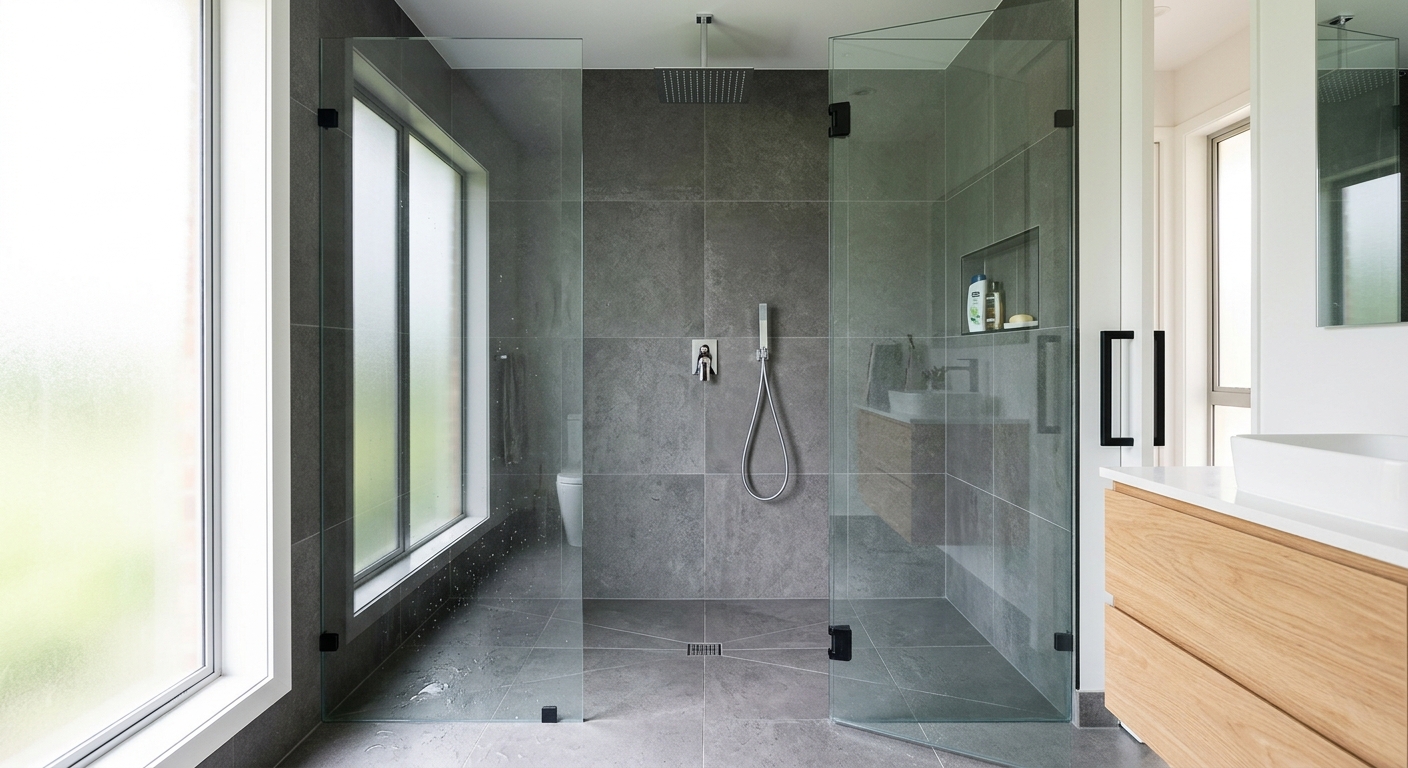
Bathroom renovation options and costs in Agassiz
In Agassiz, choosing the right bathroom renovation option starts with knowing how your home’s age shapes what’s behind the walls. With a population of about 6,300 (Statistics Canada, 2021 Census), the local market is small, so trades can be booked tightly—especially for plumbing, electrical and tiling. Agassiz also has plenty of older housing stock typical of the Lower Mainland–Southwest, where pre-1980 layouts often include dated plumbing routes, and that’s when contractors commonly uncover issues like cast-iron or galvanized piping and missing ventilation upgrades. In some pre-1985 homes, you may also encounter asbestos-containing materials in older floor tile, drywall compound, or insulation, which can add remediation steps and timelines.
In the Lower Mainland–Southwest, bathroom costs are driven more by labour rates and the likelihood of “scope creep” once walls are opened than by weather alone. Even if Agassiz’s rainy season doesn’t directly change waterproofing science, the region’s demand for skilled plumbers and tilers means schedules can shift, and discovery work (tests, exploratory opening, drainage rework) becomes more expensive. Expect projects to expand from “just finishing” to plumbing and venting updates to bring systems up to current British Columbia requirements. This is especially common in established pockets such as the Agassiz neighbourhoods near the town core, where many homes have mid-century plumbing configurations and compact bathroom footprints.
Below is a practical cost comparison to help you line up your goals before you talk to contractors—then use the checklists in later sections to keep your budget predictable.
| Renovation Scope |
What's Included |
Typical Duration |
Price Range |
| Cosmetic refresh (paint, fixtures, accessories only) |
Paint, caulking refresh, new vanity top or vanity (if existing connections suit), toilet/handheld accessories, towel bars; no plumbing relocation; no tile removal beyond touch-ups |
3–7 days |
$3,500 – $8,000 |
| Mid-range full renovation (new tile, vanity, tub/shower, electrical) |
Demo and disposal, new shower/tub surround tile, new vanity and mirror, new exhaust fan (ducted where needed), upgraded GFCI as required, basic waterproofing/membrane system, select lighting fixtures |
2–4 weeks |
$18,000 – $30,000 |
| High-end full renovation (custom tile, steam shower, heated floors) |
Higher-end tile and layout, upgraded waterproofing throughout wet areas, heated floor mat/circuiting, custom glass, possible steam shower components, premium fixtures and ventilation upgrades |
4–7 weeks |
$30,000 – $45,000 |
| Shower-only installation (convert tub to walk-in shower) |
Remove tub, build walk-in shower with tile or membrane-ready pan, new glass door/enclosure, plumbing modifications to drainage and valves, exhaust fan tie-in if needed |
2–3.5 weeks |
$12,000 – $25,000 |
| Bathtub replacement or tub-liner install |
Replace old tub with new unit and re-seat surround finishes, or install quality tub-liner system where conditions allow; recaulk and connect fixtures; typically no full tile rebuild |
1–2 weeks |
$1,500 – $6,000 |
| Tile-only installation (floor + surround, existing layout kept) |
Remove/prepare surfaces, install floor and wall tile, set trim, re-seal transitions, basic waterproofing where required; does not include new plumbing fixtures |
1.5–3 weeks |
$2,000 – $8,000 |
Prices are estimates only and vary by project scope, site access and material selection.
What affects the price of bathroom renovation in Agassiz
If you’re comparing quotes for the same bathroom, it’s common to see a 30–50% difference across the Lower Mainland–Southwest versus other parts of British Columbia. Here, the biggest drivers are labour rates and what older local homes are likely to hide behind finishes—not temperature or “climate severity” in the everyday sense. In Agassiz, many renovated bathrooms end up needing plumbing and venting work once walls and floors open, especially when contractors find older drain stacks or undersized venting that doesn’t function as well as modern systems.
Lower Mainland–Southwest pricing reflects limited availability of specialized trades—plumbers, tilers and electricians often get booked early—so even a short delay can raise total labour time. Age of housing stock matters because you can’t see the drain composition, supply line condition, or wiring type until removal starts. In pre-1980 homes, it’s not unusual to find cast-iron or galvanized supply lines that require upgrading, plus knock-on costs for additional trades and permits. Where asbestos-containing materials are present (commonly in older floor tile, drywall compound or insulation), discovery can trigger abatement protocols and add roughly $1,500 – $5,000 or more to the budget depending on scope.
Concrete examples from Agassiz projects: (1) if a contractor has to relocate a vanity’s drain or move a supply line to achieve proper slope, you’ll pay for rough-in plus patching—often pushing a “tile-only” job toward mid-range full renovation pricing (for example, $18,000 – $30,000). (2) selecting large-format porcelain can reduce grout lines but increases labour for layout and flatness prep; it can shift cost toward the $2,000 – $8,000 tile band. (3) upgrading ventilation can be straightforward in newer constructions, but in older mid-century builds it may require duct rerouting, lifting the electrical and carpentry scope—pushing totals closer to full renovation budgets.
| Price Factor |
Why It Matters |
Cost Impact |
| Layout change — moving drain or supply lines requires rough-in work |
Drain slope, valve placement, and venting must be corrected; this is labour-intensive and may require permits/inspections |
Often +$3,000 to +$10,000 depending on extent |
| Tile selection — large-format porcelain vs. mosaic vs. ceramic |
Harder materials need different tools and more precise subfloor prep; mosaics can increase labour due to detailing |
Can shift tile scope by +$1,000 to +$6,000 |
| Fixture tier — builder-grade vs. mid-range vs. designer brands |
Higher-end fixtures often cost more and may require different mounting/trim kits |
Typically +$500 to +$4,000 |
| Subfloor condition — rot or unlevel concrete adds scope |
Water damage requires removal, proper framing/patching, and improved flatness for tile longevity |
Commonly +$1,000 to +$7,000 |
| Electrical — adding GFCI outlets, exhaust fan, heated floor circuit |
Wet-area wiring must meet code; heated floors add circuit planning and testing |
Often +$800 to +$5,500 |
| Waterproofing method — membrane type and extent |
Full wet-area coverage prevents moisture migration and reduces future mould/delamination risk |
Can add +$800 to +$4,000 versus minimal systems |
| Older-home surprises — asbestos tile, cast-iron drains, galvanized pipes |
Remediation, disposal, and plumbing replacement increase time and require additional trade coordination |
Often +$1,500 to +$12,000+ |
| Bathroom size — sq ft drives tile and labour time directly |
More tile area means more setting time, more waterproofing, and longer curing/finish timelines |
Variable; +$2,000 to +$12,000 overall |
Permits & regulations in British Columbia
In British Columbia, many “swap and finish” bathroom updates are low-friction. Cosmetic work—like replacing a vanity, changing fixtures (taps, showerhead, toilet if it connects to existing rough-in), painting, and retiling where plumbing isn’t moved—often doesn’t require a permit. However, once you relocate plumbing or make electrical additions, permits and inspections are more likely required.
Work that typically DOES require a permit/inspection in BC includes: moving a drain or supply line (even within the same bathroom), adding or relocating a venting/exhaust fan that changes ducting or involves a new circuit, and any structural wall changes. Electrical work must be completed by a licensed electrician and meet the provincial safety code requirements; that includes adding new circuits for exhaust fans, heated floors, or reworking wet-area receptacles. Plumbing rough-in changes also generally trigger inspection steps before walls are closed.
How to verify a contractor in Agassiz step-by-step: (1) confirm the contractor’s British Columbia trade licences (for the trade(s) they claim—plumbing, electrical, or general contracting where applicable) using the appropriate provincial online registry. (2) Request a certificate of liability insurance and make sure the coverage is active for the project period. (3) Ask for WSIB/WCB coverage details: confirm their coverage or that they’re exempt if permitted, and get documentation in writing. (4) For bigger scopes, ask whether they handle permit pulls and inspections and whether they provide the clearance documents after work is complete.
Choosing tile, waterproofing and fixtures for your Agassiz bathroom
In Agassiz and the Lower Mainland–Southwest, your bathroom renovation budget is usually won or lost in three material decisions: tile, waterproofing, and fixtures. Start with tile choice. Ceramic tile is typically the entry point, but it demands good subfloor flatness and careful sealing at transitions. Porcelain is denser and generally more water-resistant, often making it a strong “mid-range” option for wet floors and shower walls. Natural stone (marble, travertine, slate) looks premium, but it can require more labour for layout and sealing practices, and it’s less forgiving if the substrate isn’t perfect.
Next is waterproofing. Because British Columbia bathrooms run humid—especially during winter—using a proven system matters more than brand-name décor. A paint-on membrane can work for small scopes when installed correctly, while bonded sheet membranes or a full schluter-style system often provide more robust, consistent coverage in busy wet zones. The right method reduces the risk of mould growth behind walls and under tile.
Finally, fixture tier affects both budget and resale. Builder-grade fixtures can be fine if they’re reliable and installed properly, but mid-range or designer brands often improve user experience (valves, flow control, finish durability) and help the bathroom feel “complete” for resale.
Concrete example: upgrading from a standard ceramic shower surround to porcelain can add roughly the difference between the typical tile band of $2,000 – $8,000 depending on room size and labour, but the spend is usually justified when it prevents frequent regrout and looks better over time. Pair that with waterproofing coverage that matches your layout, and you’re far less likely to chase mould or loose tile a few years later.
| Material / Option |
Pros |
Cons |
Price Range |
| Ceramic tile (floor + walls) |
Lower material cost, wide colour and pattern selection, good for budgets when installed well |
More porous than porcelain, can chip if poorly handled; requires strong flatness for best results |
$2,000 – $4,500 |
| Porcelain tile (floor + walls) |
Higher water resistance, durable finish, better long-term look in wet areas |
More cost for material, heavier tiles may increase labour for precision cutting |
$4,000 – $8,000 |
| Natural stone (marble, travertine, slate) |
High-end appearance, unique veining, strong aesthetic value |
Often needs sealing and careful maintenance; may be pricier to install and finish |
$6,500 – $14,000 |
| Frameless glass shower enclosure |
Clean modern look, easier to wipe than some enclosures, can elevate resale appeal |
Higher cost, requires precise framing/leveling and quality hardware |
$2,500 – $6,500 |
| Prefab tub surround (acrylic) |
Fast installation, smooth cleanable surfaces, good for tub upgrades without full tile rebuild |
Limited design options; may not match custom tile aesthetics; depends on wall condition |
$1,200 – $3,500 |
| Custom shower pan (tile or linear drain) |
Great for accessibility and design, linear drains support modern layouts and clean water lines |
More complex build; requires highly accurate waterproofing and slope |
$3,500 – $10,000 |
How to choose a bathroom renovation contractor in Agassiz
Choosing the right contractor matters even more in Agassiz because small-market scheduling can leave you exposed if a trade gets delayed. Start by verifying British Columbia licensing and safety documentation. Ask for their BC trade licences for the scope they’re doing (plumbing, electrical, and any trade certifications relevant to their work). For liability insurance, request a certificate of insurance showing coverage limits and an active policy period for your project dates. For worker protection, confirm their WSIB/WCB coverage documentation—get it in writing, and make sure it matches the legal entity named on the contract.
Then get 2–3 itemised written quotes. You want a labour-and-materials breakdown (not a single lump sum), with clear line items for demo, waterproofing, tile setting, electrical and plumbing rough-in, disposal, and glass/shower components. Read the scope carefully for exclusions: what happens if asbestos is discovered, who handles permit pulls, and whether disposal/dump fees are included. A good quote specifies start dates, inspection points (when walls are opened), and completion targets.
Warranty should be explicit. Ask how long they stand behind workmanship, what manufacturer warranties apply to fixtures and tile products, and whether warranties are transferable if you sell the home. Payment should be staged: never pay more than about 10–15% upfront, and request holdback until the job is fully complete and final details are corrected. A solid timeline is delivered in writing, including when materials are ordered and when you can expect rough-in and finish completion.
- Verify BC licence numbers and trade classification before signing.
- Confirm liability insurance (certificate provided) matches your contract dates.
- Confirm WSIB/WCB coverage documentation for the contractor and trades.
- Require itemised quotes: labour, materials, permits, disposal, and taxes.
- Ask who pulls permits and pays inspection fees (and ensure it’s stated).
- Check inclusions for waterproofing: membrane type, coverage area, and thickness/prep.
- Clarify disposal: dump fees, hauling, and protected-area clean-up.
- Request a written start date, trade schedule, and realistic completion estimate.
- Confirm tile scope: substrate prep, flatness correction, and grout/caulk colour responsibility.
- Ask how electrical is handled for GFCI, exhaust fans, and heated floors (if included).
- Review warranty terms in plain language, including what’s covered and for how long.
- Use a staged payment plan with small deposits and holdback until final walkthrough.
Red flags I commonly see in Agassiz bathroom jobs include: quotes that omit waterproofing specifics (only “waterproofing included”), lump-sum pricing with no line items for plumbing/electrical, no proof of BC trade licensing or insurance, aggressive upfront payment demands beyond 10–15%, and promises that “we don’t need permits” even when moving drains or adding exhaust fan circuits.
Frequently asked questions — bathroom renovation in Agassiz
How long does a bathroom renovation take in Agassiz?
In Agassiz and the Lower Mainland–Southwest, typical timelines depend on whether plumbing is moved and how detailed the finish work is. Cosmetic refreshes (paint and fixture accessories) often take about 3–7 days. A mid-range full renovation with new tile, vanity/tub-shower finishes, and electrical commonly lands around 2–4 weeks, while higher-end work (custom tile layouts, heated floors, more complex glass) can take 4–7 weeks. Shower-only conversions (tub to walk-in) usually take about 2–3.5 weeks. Delays usually come from trade scheduling or from “opening and finding” plumbing/venting upgrades in older homes—especially where cast-iron drain components or outdated venting patterns need adjustment (Statistics Canada, 2021 Census).
Do I need a permit for a bathroom renovation in British Columbia?
In British Columbia, cosmetic updates—like swapping fixtures, retiling without changing plumbing, and replacing a vanity to match existing connections—often don’t require a permit. Permits are more likely when you relocate plumbing (moving drain/supply lines), add or relocate an exhaust fan with new wiring/ducting, or make changes to walls that affect structure. Electrical must meet code and typically requires a licensed electrician for any new circuits (for example, a heated floor circuit or a new GFCI outlet in wet areas). For Agassiz homeowners, the safest approach is to ask your contractor to confirm permit requirements in writing before work starts and to explain what inspections will occur once plumbing/electrical rough-in is complete.
What's the best tile for a bathroom in Agassiz?
The “best” tile in Agassiz is usually porcelain for wet floors and shower walls because it’s dense, holds up well in humidity, and keeps its look over time. If you’re on a tighter budget, ceramic can work if the installer gets the subfloor flatness right and the waterproofing system is properly applied. For stone looks, natural stone can be stunning, but it often requires more maintenance (sealing practices) and can be pricier to install—especially if you want intricate layouts. Most homeowners end up choosing porcelain because it balances appearance and durability within realistic reno budgets like the tile band of $2,000 – $8,000, depending on room size and complexity.
Should I do a tub-to-shower conversion?
A tub-to-shower conversion is often a smart choice for accessibility and daily use in British Columbia homes, especially as homeowners age or if you prefer easier cleaning. It also can modernize the bathroom feel quickly, and it pairs well with better ventilation and waterproofing upgrades—important in Agassiz’s damp seasons. The tradeoff is cost and scope: conversions typically require plumbing changes to drainage and valves, plus new glass and shower waterproofing build-up. Many Agassiz projects land in the shower installation range of $8,000 – $25,000. If your existing tub surround is in good condition and you don’t want rough-in work, a bathtub replacement or tub-liner approach may be more cost-effective.
How do I prevent mold in a Agassiz bathroom?
Mould prevention is mostly about moisture control and correct installation, not just ventilation “after the fact.” In Agassiz, ensure you have a properly ducted exhaust fan (rated for bathroom use) and that the fan is wired correctly, typically through a licensed electrician. On the finish side, waterproofing must be continuous in wet areas: corners, seams, penetrations (like valves), and transitions to floors need attention. Use an appropriate membrane system and don’t skip subfloor prep—unlevel surfaces lead to cracks and water paths. Finally, keep grout and caulking maintained. When older homes hide surprises such as compromised substrates or older drain performance, that’s when moisture problems start, so discovery during demo should be handled quickly and documented.
What adds the most resale value in a bathroom reno?
For resale in Agassiz and the Lower Mainland–Southwest, the biggest value jumps usually come from making the bathroom feel modern and reliable: a fresh, well-installed waterproof tile system, updated fixtures, improved lighting, and a ventilation upgrade that’s actually functioning. Layout changes can help if they add accessibility (like a curbless-style shower or better circulation), but they’re not automatically a resale win if the project inflates cost without improving the bathroom’s usefulness. Heated floors and premium glass can add appeal, but they should match the home and budget. As a benchmark, many homeowners spend into the full renovation band of $18,000 – $45,000 for a complete transformation. The best “value per dollar” is usually the combination of durable finishes plus proper waterproofing and mechanical upgrades.