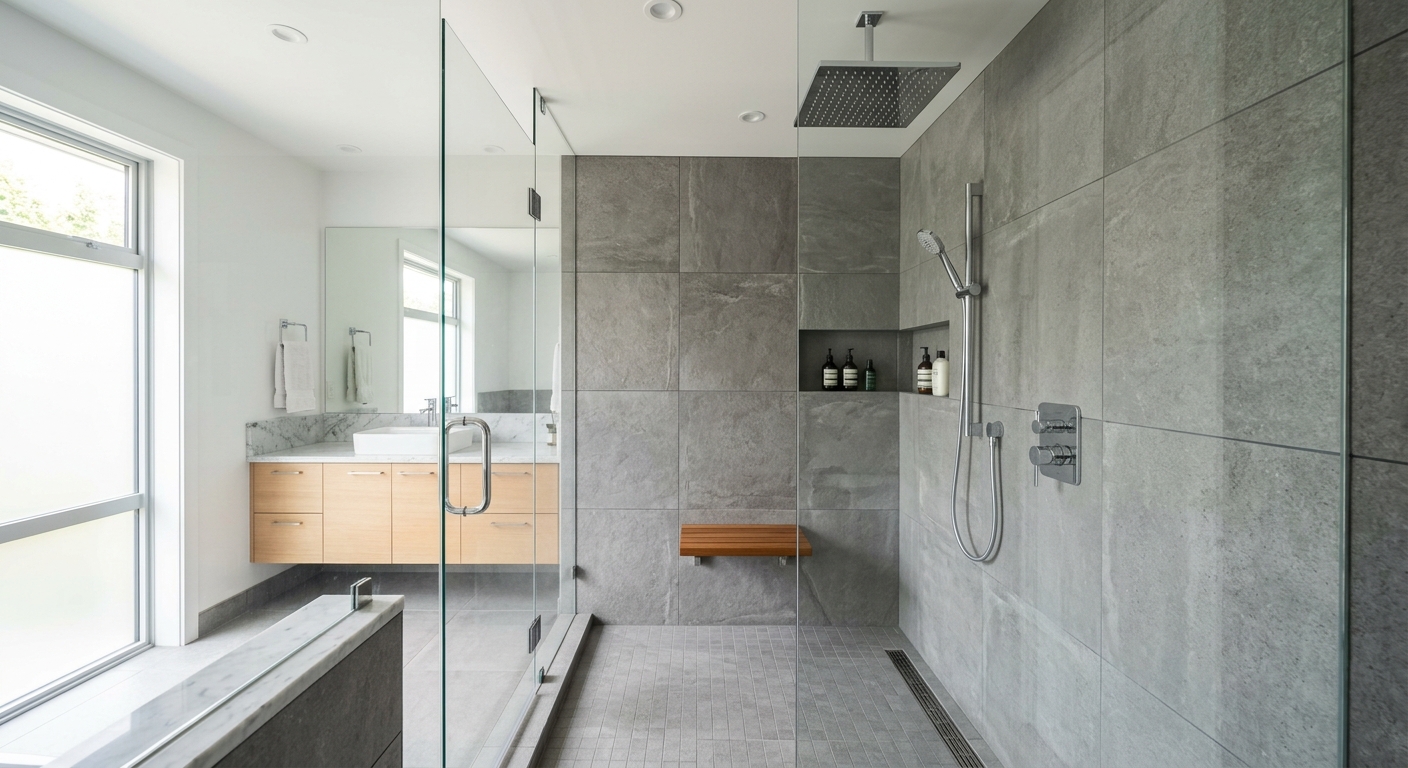
Bathroom renovation options and costs in High River
High River homeowners typically renovate for comfort and resale, but the real pricing story starts with the age of the housing stock. With 23.8% of local homes built before 1981, many bathrooms begin life on dated plumbing layouts and older subfloor conditions, and that can mean extra hidden work once walls come open (think cast-iron or older drain routing, patch repairs, and sometimes even asbestos concerns in older finishes). In the Calgary economic region, bathroom costs are shaped more by labour availability and trade coordination than by weather alone; you’ll feel it in scheduling—plumbers, electricians, and tile crews are booked differently than in a new-build cycle. At the same time, the demand for competent waterproofing and ventilation upgrades stays high because Alberta homes still struggle with bathroom humidity when exhaust fans and air movement aren’t planned well.
In neighbourhoods like Highwood/West Side, contractors often see older homes with smaller bathrooms where every inch matters, so design decisions (like moving a drain to create a walk-in shower) can quickly change the scope. As a result, what looks like a simple “refresh” in photos can turn into a mid-range or even high-end remodel once concealed issues are discovered. Use the options below as your budgeting starting points, then match your scope to the right renovation tier in the table.
| Renovation Scope |
What's Included |
Typical Duration |
Price Range |
| Cosmetic refresh (paint, fixtures, accessories only) |
New vanity top or vanity face, toilet/handheld fixtures (where existing plumbing is kept), paint, trim, accessories; light caulking and re-sealing |
3–5 days |
$3,000–$7,000 |
| Mid-range full renovation (new tile, vanity, tub/shower, electrical) |
Demolition, new tub/shower or surround, vanity and mirror, updated exhaust fan, GFCI where needed, cement-board/backer, waterproofing, tile floor + walls, disposal and basic wall patching |
2–3 weeks |
$15,000–$22,000 |
| High-end full renovation (custom tile, steam shower, heated floors) |
Custom shower or steam-ready package, premium tile work, linear drain where chosen, heated floor wiring/circuit coordination, designer vanity, upgraded plumbing trim, enhanced waterproofing and detailed finishing |
3–5 weeks |
$23,000–$30,000 |
| Shower-only installation (convert tub to walk-in shower) |
Demo tub, new waterproofed shower base/pan, glass enclosure supply/installation (or framing), updated valve trim, new drain configuration if required, tile floor to suit |
1.5–3 weeks |
$8,000–$15,000 |
| Bathtub replacement or tub-liner install |
Remove and replace tub (or liner system if applicable), new surround updates, re-seal transitions, basic plumbing hook-up; liner installs typically avoid full demolition |
2–7 days |
$500–$3,000 |
| Tile-only installation (floor + surround, existing layout kept) |
Tile removal (as needed for flatness), cement-board prep, waterproofing in wet areas, install tile floor and tub/shower surround, grout and seal; existing fixtures typically reused |
1–2.5 weeks |
$3,000–$12,000 |
Prices are estimates only and vary by project scope, site access and material selection.
What affects the price of bathroom renovation in High River
In High River and across the Calgary economic region, you can see quotes for the “same” bathroom swing by 30–50% because the real driver is not climate—it’s the combination of regional labour rates, trade availability, and the amount of concealed work uncovered after demolition. In older homes (and 23.8% of local dwellings were built before 1981), the bathroom often hides more than homeowners expect: older drain stacks, supply-line condition, ventilation gaps, and flatness issues that affect tile longevity. That’s why contractors frequently start with a baseline and then price contingency for rough-in upgrades, subfloor or wall repairs, and waterproofing detailing.
Two examples show how quickly scope grows in Calgary-area projects. First, discovery of asbestos in older vinyl floor tile or suspect drywall compounds can trigger abatement protocols; many budgets add about $1,500–$5,000+ depending on the area and remediation method. Second, moving plumbing fixtures—like shifting a vanity location or converting a tub to a walk-in shower—turns a straightforward finish job into a rough-in and ventilation coordination project. In practice, that’s what pulls a “tile-only” plan into mid-range full renovation territory (often aligning with the $15,000–$22,000 band for typical mid-range), especially when waterproofing and electrical updates are included.
Cost can also drop when expectations are managed: keeping your existing drain/supply locations and reusing a well-performing exhaust fan can reduce demolition and rough-in work. Home size matters too—your tile square footage and labour time scale directly with bathroom area, so a smaller ensuite renovation can land closer to the lower end of the $3,000–$12,000 tile range when layout stays the same.
| Price Factor |
Why It Matters |
Cost Impact |
| Layout change — moving drain or supply lines requires rough-in work |
Drain slope, venting, and supply routing add labour and wall/floor opening; may require re-plumbing and patching |
Often +$3,000–$8,000 to the project |
| Tile selection — large-format porcelain vs. mosaic vs. ceramic |
Harder tile needs better prep and more precise setting; mosaics add time for cuts and pattern layout |
Typically +$1,000–$5,000 depending on coverage and complexity |
| Fixture tier — builder-grade vs. mid-range vs. designer brands |
Premium trims, valves, and vanities can cost several times more; availability can affect timelines |
Often +$500–$4,000 for comparable layouts |
| Subfloor condition — rot or unlevel concrete adds scope |
Tile and waterproofing depend on a stable base; repairs can include structural blocking, membranes, and levelling |
Commonly +$1,000–$6,000 |
| Electrical — adding GFCI outlets, exhaust fan, heated floor circuit |
Baths require code-compliant outlets and properly sized ventilation; heated floors add materials and electrical coordination |
Often +$800–$4,500 |
| Waterproofing method — membrane type and extent |
Full-area waterproofing reduces mould risk; systems vary in labour, coverage, and detailing |
Typically +$700–$3,500 |
| Older-home surprises — asbestos tile, cast-iron drains, galvanized pipes |
Abatement, plumbing replacement, and extra inspection steps extend demolition and disposal scope |
Often +$1,500–$10,000 depending on what’s found |
| Bathroom size — sq ft drives tile and labour time directly |
More surface area means more tile setting, grouting, waterproofing, and cleanup time |
Can change pricing by thousands (about +$2,000–$7,000 as size increases) |
Permits & regulations in Alberta
In Alberta, many straightforward bathroom updates do not require a permit—especially cosmetic changes that keep the existing plumbing and electrical locations the same. Typically, you can swap a vanity, replace a toilet or tub trim, repaint, re-caulk, and even re-tile in the same footprint without a permit, as long as you’re not altering structure, moving plumbing rough-ins, or changing electrical circuits. However, relocating plumbing (moving a drain or supply line), adding or relocating an exhaust fan that requires new wiring/circuit work, or making structural wall changes generally requires permits and inspections.
Electrical work must meet the provincial code and be performed by a licensed electrician (or handled under their sign-off), particularly when adding bath-specific components like GFCI-protected receptacles or a heated-floor circuit. Plumbing rough-in changes (even if fixtures are reused later) typically trigger a permit and inspection to verify pressure testing and proper venting connections.
Step-by-step, High River homeowners can verify a contractor by:
- Checking the contractor’s Alberta trade licence (ask for the licence number and confirm it matches their company name).
- Requesting a current certificate of insurance showing liability coverage amounts and effective dates.
- Confirming WCB/WSIB coverage (or the applicable Alberta coverage documentation) so you’re not exposed if a worker is injured.
- Getting the permit pull process in writing: who submits, what’s included, and how inspection dates affect your timeline.
- Ensuring the electrician/plumber used are properly licensed and provide their own documentation where required.
Choosing tile, waterproofing and fixtures for your High River bathroom
In High River, the biggest budget swings usually come from three material decisions: tile choice, waterproofing method, and fixture tier. First, tile. Ceramic is a solid entry point for straightforward floors and simple wall layouts, but installation complexity rises with smaller pieces and intricate patterns. Porcelain is denser and more water-resistant than ceramic, making it a smart mid-range choice for bath floors and higher-traffic areas, especially when you want consistency and fewer maintenance headaches. Natural stone looks premium—marble, travertine, or slate can be stunning—but it demands careful sealing and installation technique to avoid staining and unevenness.
Second, waterproofing. Alberta bathrooms experience repeated wetting and rapid drying; when waterproofing is underspecified, you can get mould or failure behind finishes. Paint-on membranes can work for certain systems when applied exactly as the manufacturer specifies, but bonded sheet membranes or engineered systems generally provide more robust performance when detailing around niches, corners, and transitions is done correctly.
Third, fixtures. Builder-grade taps and shower trims can be cost-effective, but mid-range or designer valves often improve reliability and flow feel, which matters for resale. For a concrete example: upgrading from an entry-level shower valve/trim package to a mid-range set commonly adds a few hundred to over $1,000, and that’s justified when it avoids frequent call-backs and pairs with a properly waterproofed shower and stable tile base.
| Material / Option |
Pros |
Cons |
Price Range |
| Ceramic tile (floor + walls) |
Lower material cost, wide design options, good for straightforward patterns |
More prone to chipping; requires careful installation for wet-area longevity |
$3,000–$7,000 |
| Porcelain tile (floor + walls) |
Denser and more consistent; better water resistance; handles heavier wear |
Can be harder to cut; higher material cost; more prep may be needed |
$6,000–$12,000 |
| Natural stone (marble, travertine, slate) |
Luxury look and unique variation; strong aesthetic value |
Higher maintenance (sealing), risk of staining if not maintained; costs and lead times higher |
$10,000–$18,000 |
| Frameless glass shower enclosure |
Modern appearance, easy to wipe, improves perceived space in smaller High River baths |
Requires accurate measurements and stable wall framing; replacement parts can be pricey |
$2,000–$6,000 |
| Prefab tub surround (acrylic) |
Fast install, good water performance when installed correctly, predictable finish |
Less design flexibility; may not match high-end tile aesthetics |
$500–$2,500 |
| Custom shower pan (tile or linear drain) |
Cleaner look, better drainage control, enables fully integrated waterproofing details |
More labour-intensive; requires skilled slope prep and careful membrane detailing |
$4,000–$12,000 |
How to choose a bathroom renovation contractor in High River
For High River bathroom renovations, I recommend homeowners treat contractor selection like a job-site risk check: licensing, coverage, and proof of scope matter as much as price. Start by confirming the contractor’s Alberta trade licence and requesting a current certificate of liability insurance (ask for the limits and effective dates). Next, verify their WCB/WCB equivalent coverage so you’re not left holding the cost if a worker is injured on site. If they can’t provide documentation promptly, that’s usually a sign they’re not set up for accountability.
Then get 2–3 itemised written quotes. Ask for a breakdown that separates labour from materials and identifies allowances (tile, fixtures, waterproofing system, disposal). Avoid lump sums that don’t show what’s included. Read the scope carefully: what’s excluded, is the permit pull included, and is demo/disposal covered? Warranty terms should be clear—workmanship warranty length, whether the product warranty transfers if you sell your home, and what maintenance is required for stone or membrane systems.
For payment, don’t pay more than 10–15% upfront. Use a holdback until the job is complete and deficiencies are corrected. Finally, insist on a timeline: a start date and a completion estimate in writing, with a plan for inspection dates if plumbing or electrical permits apply.
- Request licence numbers and confirm they match the company name on the quote.
- Verify liability insurance with coverage limits and current dates.
- Confirm WCB/WCB coverage documentation before work starts.
- Get quotes with line-by-line labour and material allowances.
- Confirm who pulls permits and who books inspections (in writing).
- Ask whether asbestos/abatement is included if older finishes are discovered.
- Check waterproofing system brand/model and who installs it.
- Ensure disposal and dump fees are included (or clearly excluded).
- Verify electrical scope includes GFCI and bath ventilation requirements as applicable.
- Agree on a payment schedule with a meaningful holdback.
- Get start/completion dates and milestone dates for key stages.
- Ask for examples/photos of similar High River bathrooms with tile and shower work.
Common red flags in High River: (1) quotes that don’t spell out waterproofing and subfloor prep, (2) refusal to list permit responsibilities, (3) asking for large upfront payments beyond 10–15%, (4) vague “we’ll figure it out” language about plumbing changes, and (5) no written warranty terms for workmanship.
Frequently asked questions — bathroom renovation in High River
How do I choose the right contractor for my bathroom in High River?
Start by verifying Alberta credentials: confirm the contractor’s trade licence and ask for a certificate of liability insurance, plus proof of WCB/WCB coverage for their workers. In High River, bathroom scope often expands after demolition due to older housing layouts—so you want someone who can explain how they handle hidden work like rough-in repairs, ventilation upgrades, and waterproofing detailing. Next, request 2–3 itemised quotes rather than comparing only totals; make sure permits, disposal, and the waterproofing method are clearly stated. Finally, check warranty terms for both workmanship and products. A reputable contractor will also match the bathroom finish choices to the expected budget—whether you’re aiming for a tile package near the $3,000–$12,000 range or a mid-range remodel closer to $15,000–$22,000.
What's the most common mistake homeowners make in bathroom renovations?
The most common mistake is under-budgeting and under-specifying the “behind the walls” work—especially waterproofing, ventilation, and subfloor readiness. Many homeowners plan for a cosmetic refresh, then discover that older drains, supply lines, or unlevel framing require repair before tile can be installed properly. That’s how a project drifts toward a full renovation budget even when you intended a refresh. Another frequent issue is choosing finishes first and waterproofing second; in a bathroom, waterproofing and membrane transitions come before tile selection. If your home is older (with 23.8% of local housing built before 1981), it’s also wise to ask contractors how they handle potential asbestos risks in older floor tile or compounds—so the quote doesn’t get blindsided later.
How long does tile installation take in a High River bathroom?
Tile timing depends on tile type, bathroom size, and whether the substrate needs leveling. In High River, a typical tile-only install (keeping the layout) often takes about 1–2.5 weeks, while a full renovation with tile across floors and tub/shower walls is commonly 2–3 weeks total once prep and waterproofing cure times are included. Porcelain tile and mosaic patterns take longer due to cutting, layout, and grout detailing. Also factor in curing and inspections if permits apply to associated electrical or plumbing work. If you’re converting a tub to a shower and adding a linear drain or custom pan, plan for more time because the prep and slope work must be right before tile goes in.
How much does a bathroom renovation cost in High River?
For High River homeowners, costs usually start with the renovation tier you choose, then expand based on what’s found after demolition. A cosmetic refresh can be in the low thousands, while mid-range full renovations (new tile, vanity, tub/shower, and electrical updates) commonly land around the $15,000–$22,000 band. High-end work with premium finishes and features like heated floors or a steam-ready shower is often closer to $23,000–$30,000. Shower-only conversions (like turning a tub into a walk-in) frequently fall in the $8,000–$15,000 range. If you’re trying to keep costs predictable, budget for concealed scope in older homes and plan a contingency—Calgary-area contractors frequently see hidden plumbing, ventilation, or subfloor repairs that shift the final number.
How long does a bathroom renovation take in High River?
Most bathroom renovations in High River come in stages: demo, rough-in/permits (if applicable), waterproofing, tile, then trim-out and fixture installs. Cosmetic refresh projects are usually completed in 3–5 days. Mid-range full renovations commonly take 2–3 weeks, while higher-end projects can run 3–5 weeks due to more detailed tile work, higher-end fixtures, and additional coordination. Shower-only conversions often take 1.5–3 weeks depending on whether the drain location or plumbing rough-in must change. Timeline is also affected by inspection scheduling when permits are required and by material lead times for tile or glass. If you’re renovating in an older home, factor in additional time for discovery work (repairs, possible abatement steps) once walls or floors are opened.
Do I need a permit for a bathroom renovation in Alberta?
Often, no permit is needed for purely cosmetic updates in Alberta—like replacing a vanity, swapping fixtures where plumbing locations don’t move, repainting, and retiling in the same footprint with no structural changes. However, permits are typically required when you relocate plumbing (moving drain/supply lines), add or relocate an exhaust fan where new electrical work is involved, or make structural changes. Electrical work must follow the applicable code and is usually handled by a licensed electrician, especially for bath wiring, GFCI protection, and heated-floor circuits. For a High River project, the simplest approach is to ask your contractor to clearly list what triggers permits in your scope and confirm whether the contractor will pull the permit and schedule inspections. If they can’t answer that, request clarification in writing before signing.