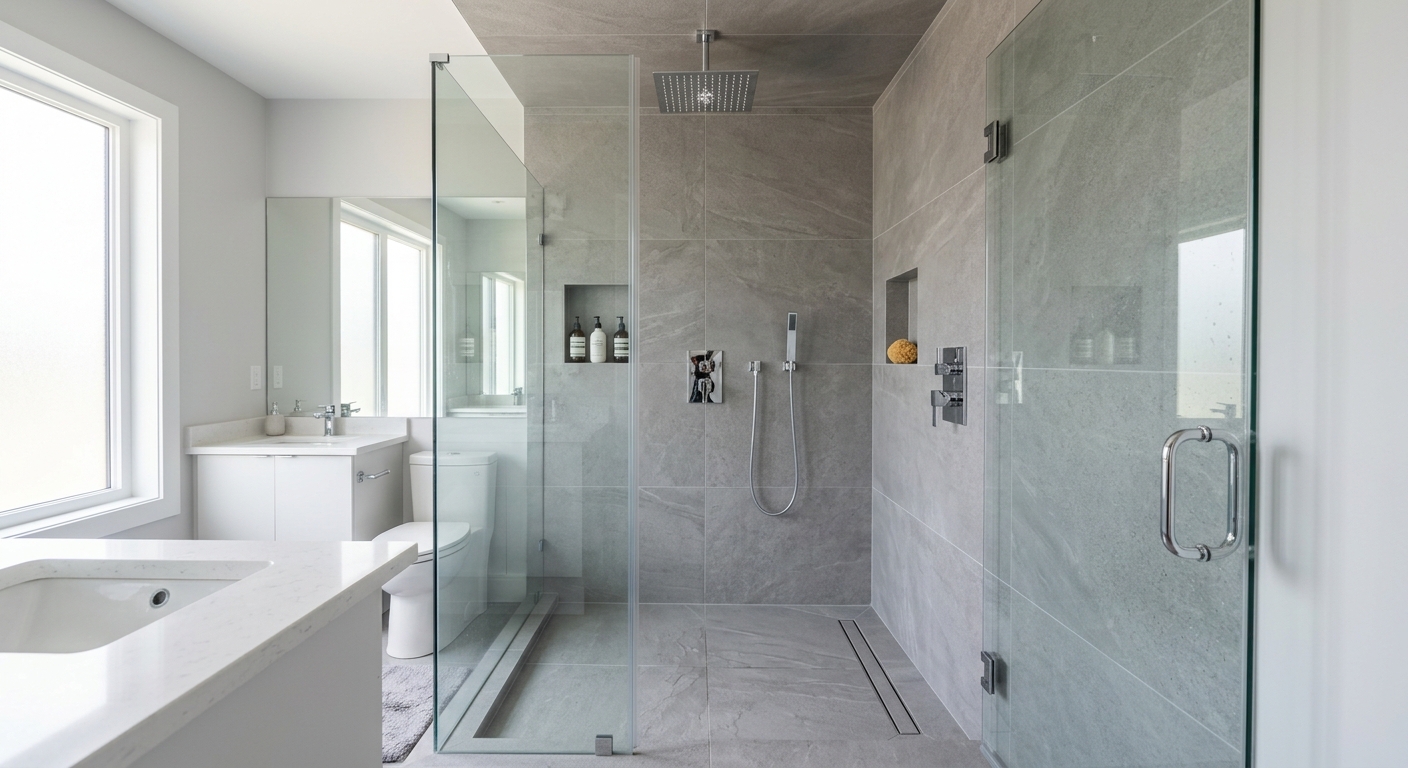
Bathroom renovation options and costs in Cold Lake
Cold Lake bathroom renovations tend to land in a predictable range, but your final total depends heavily on how much of the rough-in you end up touching. In Cold Lake, homeowners often renovate in older housing—about 30.8% of homes were built before 1981—so it’s common to see dated drainage and ventilation setups once the walls come down. With 3,910 homeowner households (63.9% of households own) across the area (Statistics Canada, 2021 Census), many projects start as “just finishes,” then expand after discovery. That discovery is where Wood Buffalo–Cold Lake market conditions matter: trades compete with active industrial work, so certified plumbers and electricians often price near the higher Alberta end, especially when the job needs remobilization, longer lead times, or code-driven electrical and fan upgrades.
Climate influences moisture management rather than driving total cost by itself; what drives the budget is how quickly water is removed and how well the wall system is waterproofed. Cold Lake winters also mean bathrooms see bigger temperature swings, so ventilation and membrane detailing matter more than in milder regions. In neighbourhoods where demand is high—like Gardiner Park—contractors can be busier, and that can affect scheduling and minimum job charges, particularly for smaller scopes.
Below are realistic options and typical durations, so you can compare budgets apples-to-apples before you ask for quotes.
| Renovation Scope |
What's Included |
Typical Duration |
Price Range |
| Cosmetic refresh (paint, fixtures, accessories only) |
Clean-up, new paint/trim, replace vanity top or vanity, swap toilet, faucets, mirrors, lighting on existing electrical, accessories |
3–5 days |
$14,000–$18,000 |
| Mid-range full renovation (new tile, vanity, tub/shower, electrical) |
Demo and disposal, new tub/shower surround or tile, cement board or backer, waterproofing, new vanity and toilet, new exhaust fan wiring (if needed), GFCI upgrade, updated lighting and finishes |
2–3 weeks |
$20,000–$28,000 |
| High-end full renovation (custom tile, steam shower, heated floors) |
Full demo, custom layout/tiling, premium waterproofing system, heated floor circuit, higher-end fixtures, frameless glass (if applicable), steam or advanced shower package, upgraded electrical and ventilation |
3–5 weeks |
$29,000–$32,000 |
| Shower-only installation (convert tub to walk-in shower) |
Demo tub, new walk-in shower pan and waterproofing, drain upgrade where required, glass enclosure, new controls/valves, tile floor and surround, fan verification/upgrade |
2–3 weeks |
$14,500–$18,500 |
| Bathtub replacement or tub-liner install |
Remove and set new tub (or fit tub-liner system), replace surround to match, sealant and caulking, re-connect plumbing, minor waterproofing repairs |
4–7 days |
$1,200–$5,000 |
| Tile-only installation (floor + surround, existing layout kept) |
Remove existing tile, prep and leveling, install waterproofing and tile on walls/floor, re-set trim and finishes, keep plumbing in place |
1–2 weeks |
$7,000–$16,000 |
Prices are estimates only and vary by project scope, site access and material selection.
What affects the price of bathroom renovation in Cold Lake
In Wood Buffalo–Cold Lake, quotes for the same bathroom can differ by 30–50% because the drivers aren’t just finish choices—they’re labour availability, how much hidden work the contractor discovers, and how much code-upgrading is triggered once walls are open. In practice, the biggest cost swing comes from regional labour rates and the age of local housing stock, not climate. Cold Lake has strong winter demand, but the moisture problem is solved through waterproofing and ventilation, which becomes part of the “scope” rather than the “weather.”
Older homes (about 30.8% built before 1981) often have plumbing and ventilation arrangements that don’t match today’s expectations. It’s common to find cast-iron or older drain components that need partial replacement, galvanized supply lines that may require new connections, and venting that must be corrected for safe performance. That discovery can push a “mid-range” full renovation toward the upper end of the local $20,000–$28,000 band; if electrical, exhaust fan routing, and plumbing rough-in upgrades stack together, it can move into the $29,000–$32,000 tier.
Another major swing is asbestos risk. In homes from the 1970s–1980s, renovation work may expose asbestos-containing materials (such as some old vinyl flooring and joint compound). If abatement is required, it’s not a small line item—typically add $1,500–$5,000+ depending on area and containment, before new tile can go back in. Conversely, costs drop when plumbing layout is left alone and subfloors are stable, letting the contractor focus labour on tile setting and waterproofing rather than rework.
| Price Factor |
Why It Matters |
Cost Impact |
| Layout change — moving drain or supply lines requires rough-in work |
New rough-in means cutting openings, running lines, pressure testing, and potential venting corrections |
Often adds $3,000–$8,000 |
| Tile selection — large-format porcelain vs. mosaic vs. ceramic |
Harder products require better substrate prep and more labour for cuts, patterning, and setting |
Often adds $1,500–$6,000 |
| Fixture tier — builder-grade vs. mid-range vs. designer brands |
Higher tiers cost more and may require different trim, valves, or specialty installation |
Often adds $800–$4,500 |
| Subfloor condition — rot or unlevel concrete adds scope |
Repairing substrate delays installation and adds labour/materials before waterproofing and tile |
Often adds $1,000–$5,000 |
| Electrical — adding GFCI outlets, exhaust fan, heated floor circuit |
Certified work plus circuit changes; also time to coordinate rough-in and inspections |
Often adds $800–$3,500 |
| Waterproofing method — membrane type and extent |
Better systems take time and materials but reduce callbacks from water intrusion |
Often adds $500–$2,500 |
| Older-home surprises — asbestos tile, cast-iron drains, galvanized pipes |
Remediation/partial replacement drives schedule and costs, sometimes requiring specialized trades |
Often adds $1,500–$10,000+ |
| Bathroom size — sq ft drives tile and labour time directly |
More square footage increases setting time, waterproofing area, and material usage |
Typically $2,000–$6,000 by size |
Permits & regulations in Alberta
In Alberta, many “finish-only” bathroom updates don’t need a permit. Swapping a vanity, replacing a mirror, changing lighting fixtures on existing wiring, repainting, or retiling without touching plumbing or moving walls typically falls into cosmetic work. If you keep the existing plumbing positions and do not add new electrical circuits, the scope is usually much lighter on approvals.
Permits are commonly required when you change the functional systems—especially where code compliance affects safety and building performance. Examples of work that typically DOES require a permit include: relocating plumbing (moving a drain or supply line), installing new or relocated exhaust fan ducting that involves electrical work, and any changes to structural walls or modifications that affect framing. Electrical work must meet the provincial code and be completed by a licensed electrician or signed off by one; adding a new heated floor circuit, upgrading to GFCI where required, or creating new circuits for fans are typical trigger points. Plumbing rough-in changes generally require a permit and inspection before walls close.
To verify a contractor in Cold Lake step-by-step: (1) ask for their Alberta trade licence and check it through the appropriate online registry; (2) request a current certificate of liability insurance showing coverage for your project (not expired); (3) confirm WCB/WSIB coverage status (ask for proof/clearance documentation and the account number); (4) ensure the electrician/plumber used under subcontract also holds valid licences; and (5) confirm who pulls the permit (if required) and whether it’s included in the written quote.
Choosing tile, waterproofing and fixtures for your Cold Lake bathroom
For bathroom renovations in Cold Lake, the budget usually gets decided by three material choices: tile type, waterproofing system, and fixture tier. First, tile: entry-level ceramic can be a good value if your main goal is surface durability and you’re keeping layouts straightforward. Porcelain costs more but handles moisture and wear better, and it’s commonly the sweet spot for mid-range full renovations. Natural stone (marble, travertine, slate) can look premium, but it’s more expensive to supply and more demanding to install and seal correctly—so labour time and material requirements rise accordingly.
Second is waterproofing. In Alberta, you want a system designed for repeated wetting and drying cycles: paint-on products are generally limited in scope, while bonded sheet membranes provide robust coverage behind tile. Many premium installs also use a reputable tile system with carefully detailed transitions at corners, niches, and around the tub/shower valve—this is what prevents mould-prone failure. The goal is not just “water doesn’t leak today,” but “water management stays consistent through seasonal temperature changes and daily shower use.”
Third is fixtures. Builder-grade tubs, valves, and toilets keep early costs down, but better mid-range or designer brands can improve function (flow, smooth shutoff, better seals) and often elevate resale appeal. A practical example: choosing porcelain tile and a stronger waterproofing approach may add a few thousand dollars versus ceramic and minimal membrane coverage, but it’s usually justified when you’re doing a full gut and plan to keep the bathroom for 10–15 years.
If your scope is a conversion to a walk-in shower or a mid-range full renovation, matching porcelain + a proven membrane is typically the best balance between longevity and budget stability in the Wood Buffalo–Cold Lake market.
| Material / Option |
Pros |
Cons |
Price Range |
| Ceramic tile (floor + walls) |
Generally affordable; wide selection; good for straightforward layouts |
Can be less resilient than porcelain in heavy-use areas; may require careful sealing/installation |
$1,500–$4,500 |
| Porcelain tile (floor + walls) |
Moisture-resistant; durable; good for showers and high traffic; clean modern looks |
Costs more; may increase cutting and labour on complex patterns |
$3,500–$7,500 |
| Natural stone (marble, travertine, slate) |
High-end aesthetic; unique variation; strong visual impact |
Needs sealing/maintenance; often higher installation and material waste |
$6,000–$12,000 |
| Frameless glass shower enclosure |
Modern, bright look; easy cleaning; helps the space feel larger |
Higher hardware cost; needs precise alignment during install |
$1,800–$4,800 |
| Prefab tub surround (acrylic) |
Fast install; fewer tile labour hours; good for renters/infill budgets |
Less “custom” look; seams require good prep and sealing; limited layout changes |
$1,200–$3,000 |
| Custom shower pan (tile or linear drain) |
Clean, premium finish; linear drain can reduce visual bulk |
More prep and waterproofing detail; drain placement must be right on the first build |
$2,500–$7,000 |
How to choose a bathroom renovation contractor in Cold Lake
Start by verifying the contractor’s credentials—this is especially important in Cold Lake because discovery work (plumbing, venting, electrical, and older-material remediation) can quickly expand scope. For licensing, ask for their Alberta trade licence details and how they’ll handle permits. For liability insurance, request a current certificate of insurance and confirm the coverage limits are appropriate for bathroom renovations. For WSIB/WCB coverage, ask for proof of clearance/status and the account documentation they provide to clients—this reduces your risk if a worker is injured on-site.
Next, get 2–3 itemised written quotes. You want a breakdown that separates labour and materials (demo/disposal, rough-in changes, waterproofing, tile setting, electrical/plumbing, glass/enclosures, fixtures). Compare scope line-by-line: what’s excluded (e.g., permit fees, asbestos testing/abatement, subfloor repair)? Is disposal included? Who supplies what—tile underlayment, membranes, backer board, thinset, grout, and sealants?
Review warranty terms carefully. Ask about the workmanship warranty length (for waterproofing and tile setting), the product/manufacturer warranty for fixtures, and whether warranties are transferable if you sell the home. Payment schedule matters too: never pay more than 10–15% upfront, and hold back a meaningful amount until the job is complete, surfaces are sealed, and punch-list items are addressed. Finally, get your start date and completion estimate in writing so you can plan around industrial-area labour scheduling.
- Ask which permits are required and confirm whether the contractor pulls them.
- Confirm liability insurance is current and list the job address on the certificate if possible.
- Request WCB/WSIB proof/clearance before work begins.
- Get quotes broken into labour vs materials (not one lump-sum).
- Ensure waterproofing steps and membrane type are named in the scope.
- Confirm tile prep includes subfloor leveling/repair if required.
- Ask how they handle plumbing venting or drain upgrades if discovered.
- Review what “disposal included” actually covers (demo only vs full debris haul-away).
- Ask about lead times for glass enclosures, heated floor kits, and specialty tile.
- Request a written start date and a realistic completion window.
- Confirm warranty duration for workmanship and who honours it.
- Use a payment schedule with 10–15% max upfront and a holdback at completion.
Red flags in Cold Lake include: quotes that only show “total price” with no allowance details; missing waterproofing methodology (membrane type not specified); vague electrical/plumbing scope (“we’ll handle it” without clear line items); high upfront deposits beyond 10–15% with no holdback; and no written timeline or warranty terms for workmanship.
Frequently asked questions — bathroom renovation in Cold Lake
Should I do a tub-to-shower conversion?
If you’re in a Cold Lake home where mobility is changing, a tub-to-shower conversion is often worth it. It can improve daily usability, and it usually reduces the “care burden” of managing a tub over time. Cost-wise, in our region a shower-only installation (converting a tub to a walk-in shower) commonly lands around $14,500–$18,500, but it can move higher if plumbing venting or drain components need upgrades after demolition. In older housing (many homes predate 1981), it’s also more likely you’ll uncover dated drainage or insufficient ventilation, which can expand scope once walls are open. If your layout is straightforward and the subfloor is solid, conversion projects typically run smoothly; if surprises show up, plan for additional waterproofing and possible rough-in corrections to meet current expectations.
How do I prevent mold in a Cold Lake bathroom?
Mould prevention is about controlling two things: water intrusion and drying speed. First, use a properly detailed waterproofing system behind tile—especially at the shower curb/edge, valve penetrations, and corners. Cheap or incorrectly installed waterproofing is where failure starts, and it’s more noticeable in Alberta because bathrooms cycle between cold and warm air. Second, install (or upgrade) a correctly sized exhaust fan, and confirm ducting and electrical are done cleanly so the fan can actually remove moisture. Also use moisture-friendly practices: run the fan during and after showers, keep caulk lines intact, and avoid leaving wet towels in closed bathrooms. If you’re renovating in an older Cold Lake home, have your contractor note potential asbestos-containing materials (some floor tile and older drywall compounds) before demolition so the right remediation steps are followed, which indirectly helps keep the job dust-safe and the finishes right the first time.
What adds the most resale value in a bathroom reno?
Resale value is usually driven by visible quality and problem-solving: a modern, clean layout; durable finishes; and a waterproofing-and-ventilation system that reduces the chance of future issues. In practice, buyers often react positively to porcelain tile, a solid vanity with updated lighting, and a shower that looks “finished” (good glass, consistent grout lines, no soft spots). If your home needs updates anyway, a mid-range full renovation—typically $20,000–$28,000—tends to be the best balance of “new feel” without going into the highest-cost tiers. Steam showers and heated floors can look premium, but they’re most justified when your layout and budget are already aligned. The key in Cold Lake is to budget for waterproofing and electrical/fan upgrades once walls are open, because buyers notice musty odours and visible moisture more than they notice brand name fixtures.
Can I keep my existing plumbing layout to save money?
Yes—keeping the existing plumbing layout is one of the most reliable ways to control cost in Cold Lake. Moving drains and supply lines triggers rough-in work: more demo, more labour, possible venting changes, and more inspection requirements. When layout stays the same, contractors can focus on waterproofing, tile setting, and finish upgrades, which usually keeps you closer to mid-range pricing such as $20,000–$28,000 for a full renovation. In older homes (a significant share built before 1981), staying put also reduces exposure to “hidden surprises” like dated drain stacks, galvanized supply lines, or old venting that needs correction. If you do want layout changes, request an itemised quote that explicitly covers rough-in impacts so you’re not surprised when discovery expands scope.
How much does a walk-in shower cost in Cold Lake?
A walk-in shower cost depends on whether you’re replacing a tub and how much wall/venting/electrical work is needed. For a typical conversion (shower-only installation converting a tub), many Cold Lake projects fall in the $14,500–$18,500 range when plumbing is workable and waterproofing is installed properly. If you choose more complex custom shower pans, premium tile, or you uncover older plumbing/venting issues, the price can climb into the low-to-mid $20,000s—often because labour and certified trades (plumbing and electrical) are billed at the higher Alberta end and remobilization is costly. The best way to estimate your true range is a walkthrough after demolition begins, but you can still get a solid budget number by asking contractors to include a contingency line item for older-home surprises like venting corrections or potential remediation if asbestos is encountered.
What's the ROI on a bathroom renovation?
Bathroom ROI isn’t a single fixed percentage, but you can forecast it by focusing on what improves function, durability, and buyer confidence. In Cold Lake, kitchens and bathrooms are among the first places buyers check for “done-right” workmanship—especially waterproofing and ventilation. A renovation that prevents future leaks and musty smells protects your selling timeline and reduces negotiation pressure. If you stay mid-range—around $20,000–$28,000 for a full renovation—you’re generally aiming for a balance of noticeable upgrades and cost restraint. Going to high-end custom work (often $29,000–$32,000) can be a personal win and may support resale, but it’s a bigger bet. If you want measurable ROI, prioritize problem fixes (fan, waterproofing, electrical safety like GFCI) and choose durable finishes over short-term cosmetic changes.