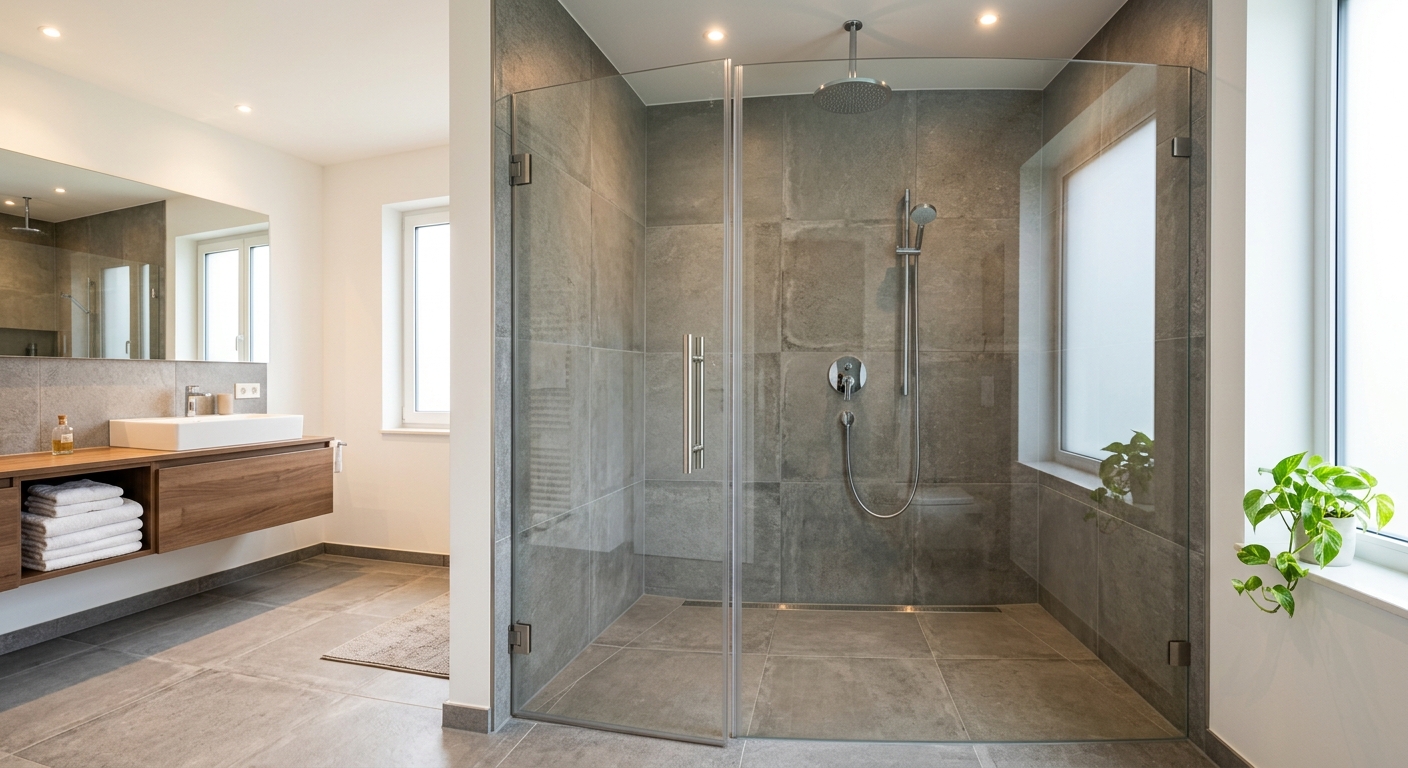
Bathroom renovation options and costs in St. Andrew-Windfields
In St. Andrew-Windfields, bathroom renovation costs are shaped more by the local housing stock and GTA labour premiums than by climate swings. With 17,812 residents in the area (Statistics Canada, 2021 Census), demand stays steady, and that steady demand helps keep trades busy—especially tilers and licensed plumbers who work on mid-century homes. In the Toronto economic region, many houses date to the post-war and 1960s–1980s period, when plumbing layouts, venting, and drainage sizing were often “good enough” for the era, but not always for today’s Ontario code. That’s why opening up walls can lead to drain reconfiguration, new shut-offs, or vent corrections that add scope beyond the visible finishes. You may also run into older tile settings or floor materials where asbestos was used in some older products, particularly in homes built before the mid-1980s, which can trigger abatement requirements and schedule impacts. The real-world result is that the same bathroom “look” can land in different price tiers depending on what the contractor discovers once everything is removed.
In practice, Toronto-area availability can also affect pricing—if your timeline overlaps peak demand, trades may price faster production or prioritize other jobs. Still, most homeowners get the best value by matching the option to their starting point: whether you’re mostly updating fixtures, or doing a true mid- to high-end rebuild with waterproofing and electrical upgrades. Use the table below to compare common scopes, durations, and realistic budget bands for St. Andrew-Windfields projects.
| Renovation Scope |
What's Included |
Typical Duration |
Price Range |
| Cosmetic refresh (paint, fixtures, accessories only) |
New vanity top or vanity swap, toilet/ faucets/ showerhead replacement, fresh paint, re-caulk, replace accessories (rails, mirrors). Existing tile and plumbing remain. |
3–7 days |
$3,000–$6,500 |
| Mid-range full renovation (new tile, vanity, tub/shower, electrical) |
Demo and rebuild of tub/shower surround and floor tile, install vanity, replace tub or reglaze as appropriate, add exhaust fan and GFCI where needed, waterproofing, new lighting connections as required, basic plumbing renewals (shut-offs, supply lines) if discovered. |
2–3 weeks |
$12,500–$20,500 |
| High-end full renovation (custom tile, steam shower, heated floors) |
Custom shower or steam-ready layout, premium tile (larger format, custom niches), membrane + detailing upgrades, heated floor circuit and finishes, higher-end fixtures, improved lighting plan, deeper plumbing/vent corrections if required after opening walls. |
3–5 weeks |
$22,000–$30,000 |
| Shower-only installation (convert tub to walk-in shower) |
Remove tub, new shower pan and waterproofing, tile to ceiling or full-height, linear drain option if selected, new valve trim setup, adjust plumbing rough-in if drain/supply must move, exhaust fan check. |
1.5–3 weeks |
$8,000–$16,500 |
| Bathtub replacement or tub-liner install |
Remove and install new tub with new surround sealing, select liner where appropriate to reduce demo. May include minor plumbing shut-off refresh and new caulking/trim. |
1–2.5 weeks |
$1,800–$4,500 |
| Tile-only installation (floor + surround, existing layout kept) |
Tile removal and replacement (floor + walls around tub/shower), prep and leveling, waterproofing to manufacturer specs, re-grout and re-seal at changes, reuse existing fixtures/valves where safe. |
1.5–3 weeks |
$5,000–$14,500 |
Prices are estimates only and vary by project scope, site access and material selection.
What affects the price of bathroom renovation in St. Andrew-Windfields
In St. Andrew-Windfields and across the Toronto economic region, two quotes for the same “type” of bathroom can differ by 30–50% because the biggest cost drivers are labour rates and what the contractor uncovers after demo—not the outdoor weather itself. Toronto-area trades command a premium hourly rate, and bathroom work is detail-heavy: tiling, waterproofing, plumbing rough-in, and finish carpentry. Older housing stock also raises the probability of hidden upgrades. When walls open, contractors often find cast-iron or undersized drain stacks, galvanized or leaking supply lines, and ventilation that needs correction. Each discovery can push scope from a straightforward mid-range update toward a fuller renovation, even if the homeowner selected similar finishes.
As a rule of thumb, asbestos-related concerns can be a schedule and cost factor in pre-1985 homes if certain materials are disturbed (for example, some older vinyl floor tile or related adhesives and compounds). Discovery typically triggers abatement steps, adding budget in the range of $1,500–$5,000+ depending on how much must be removed and how the work area is controlled. Concrete examples you’ll see locally include: (1) converting a tub to a walk-in shower where the drain must move and the slope/venting gets corrected; (2) replacing a vanity where supply and shut-off locations don’t align and new lines are run; and (3) upgrading an exhaust fan where the existing circuiting can’t support the added load.
That’s why “mid-range full renovation” projects commonly land around the $12,000–$20,500 band, while high-end builds with heated floors, custom showers, and more rerouting push into $22,000–$30,000 territory. The takeaway: the Toronto market doesn’t change your tile’s value as much as it changes the labour intensity and the likelihood of code-driven upgrades once walls are opened.
| Price Factor |
Why It Matters |
Cost Impact |
| Layout change — moving drain or supply lines requires rough-in work |
New rough-ins mean opening floors/walls, reworking traps/venting, and additional licensed trade time. |
Often adds $2,000–$8,000 depending on how far routes move |
| Tile selection — large-format porcelain vs. mosaic vs. ceramic |
Harder materials can require more labour for cuts, stability, and setting; mosaics are labour-intensive. |
Typically $1,500–$6,000 difference on labour + materials |
| Fixture tier — builder-grade vs. mid-range vs. designer brands |
Higher-end fixtures cost more and may require specific trim valves or matching components. |
May shift totals by $800–$4,500 |
| Subfloor condition — rot or unlevel concrete adds scope |
Fixing unevenness, replacing water-damaged framing, or addressing movement prevents tile failure. |
Can add $1,000–$7,000+ |
| Electrical — adding GFCI outlets, exhaust fan, heated floor circuit |
Bathrooms require updated safety considerations; heated floors also increase electrical scope. |
Commonly $500–$3,500+ |
| Waterproofing method — membrane type and extent |
Better systems (sheet membranes or detailed assemblies) reduce future moisture risk. |
Usually $600–$3,000 more than basic approaches |
| Older-home surprises — asbestos tile, cast-iron drains, galvanized pipes |
Abatement and pipe upgrades add both cost and time, with licensed/insured specialists. |
Often adds $1,500–$10,000+ |
| Bathroom size — sq ft drives tile and labour time directly |
More area increases setting time, material take-offs, and curing/wait periods. |
Can swing budgets by $1,000–$6,000+ |
Permits & regulations in Ontario
In Ontario, the permit conversation is mostly about whether you’re touching plumbing, electrical circuits, or structural elements—not about whether you change the look. Cosmetic work like swapping a vanity, replacing fixtures that connect to existing supply/valve locations, updating paint, and retiling without moving plumbing typically does not require a permit. By contrast, you should expect a permit when you relocate plumbing (moving a drain or supply line, changing valve locations, or doing rough-in changes), add or modify an exhaust fan that ties into a new circuit, or make any structural wall changes. If your reno involves new electrical work (for example, adding heated-floor wiring, new GFCI-protected circuits, or changes to lighting wiring), the work must meet Ontario electrical code requirements and be completed by, or signed off by, a licensed electrician.
For plumbing rough-in changes, permits and inspections are commonly required before the wall/floor closes. As a homeowner in St. Andrew-Windfields, your best approach is to verify in writing: (1) ask whether the quote includes pulling the permit and inspection scheduling; (2) request your contractor’s Ontario licence details and insurance certificates; and (3) confirm WSIB/WCB coverage where applicable. To verify credentials, check the contractor’s Ontario trade licence using the online registry information they provide, review the certificate of liability insurance (ensure you’re listed or can be named as additional insured if your contract requires it), and request WSIB/WCB clearance or coverage proof before work starts. Avoid contractors who won’t provide paperwork up front—bathrooms fail quietly until water damage is already done.
Choosing tile, waterproofing and fixtures for your St. Andrew-Windfields bathroom
Your St. Andrew-Windfields bathroom budget is largely determined by three material decisions: tile type, waterproofing method, and fixture tier. First is tile. Ceramic is usually the entry option and is most forgiving to install on flatter surfaces, but it can have higher breakage rates and more careful planning around cuts in wet areas. Porcelain typically costs more but offers better water resistance and durability, especially for floors and shower walls where you want long-term performance. Natural stone (marble, travertine, slate) looks premium, but it’s the most demanding—more prep, sealing schedules, and sometimes extra labour for leveling and consistent finish across varying stone characteristics.
Second is waterproofing. In Ontario’s typical cycle of frequent showers in an enclosed room (and the humidity that comes with it), the right waterproofing method matters more than most homeowners expect. A paint-on membrane can work for smaller, properly prepped areas, but a bonded sheet membrane or a well-detailed system is usually the better choice for full shower walls. Getting corners, changes-of-plane, and penetrations detailed correctly is what prevents mould and grout breakdown later.
Third is fixtures. Builder-grade fixtures reduce upfront cost, but mid-range or better valves and trims often improve day-to-day comfort and can be a selling point when buyers compare bathrooms in the GTA. For example, upgrading from basic to mid-range shower valve trim might cost a few hundred dollars more, but if it avoids future leaks and makes the finish cohesive with your tile, that cost can be justified. If you’re renovating in a mid-range budget band (often around $12,000–$20,500), prioritize porcelain tile plus a robust membrane system, then choose fixtures that match your valve quality. If you’re aiming near the upper range ($22,000–$30,000), invest in heated floors and custom shower assemblies—those upgrades show clearly in resale and daily use.
| Material / Option |
Pros |
Cons |
Price Range |
| Ceramic tile (floor + walls) |
Often budget-friendly, wide style selection, generally easier to source and match. |
Can be less durable than porcelain for some floor conditions; may chip if subfloor isn’t well-prepped. |
$3,000–$7,500 |
| Porcelain tile (floor + walls) |
More durable and water-resistant; good for textured floors and consistent shower-wall performance. |
More expensive material cost; may require more precise layout and cutting for large formats. |
$5,000–$10,500 |
| Natural stone (marble, travertine, slate) |
High-end look and resale appeal; unique variation creates a custom feel. |
Requires sealing/maintenance; can be more labour-intensive and sensitive to installation tolerances. |
$9,000–$18,000 |
| Frameless glass shower enclosure |
Premium look, easier cleaning lines, and visually opens the bathroom. |
Higher material and install cost; requires good framing alignment and waterproof detailing. |
$3,000–$7,500 |
| Prefab tub surround (acrylic) |
Faster install, consistent fit, and less tile labour; good for tight schedules. |
Less “custom” appearance; cutting and transitions still need careful sealing. |
$1,200–$3,200 |
| Custom shower pan (tile or linear drain) |
Better drainage design; linear drains can look sleek and modern. |
More labour and waterproofing detailing; slope planning is critical for long-term success. |
$4,000–$12,000 |
How to choose a bathroom renovation contractor in St. Andrew-Windfields
Choosing the right contractor in St. Andrew-Windfields starts with proof. First, verify Ontario trade licensing where applicable and ask for current liability insurance certificates before the first day of work. You should also request WSIB/WCB coverage (or a clearance/coverage proof document) so you’re not exposed if a worker is injured on your property. In a bathroom reno, the risk is real: demo dust, sharp tile, and plumbing/electrical interfaces are where accidents and rework happen.
Then get 2–3 written quotes that are itemised—labour and materials separated—rather than a single lump sum. Make sure the scope is clear on what’s included for demolition, disposal, prep, waterproofing system choice, and any subcontracted trades (tiling, electrical, plumbing). Pay attention to exclusions: for example, “tile allowance” amounts, what happens if asbestos is discovered, and whether the contractor handles permits/inspections. Confirm the warranty terms: workmanship warranty length (commonly a year or more for installation), product/manufacturer warranty specifics, and whether warranties are transferable if you sell the home.
Finally, protect yourself with the payment schedule. Never pay more than about 10–15% upfront; hold back a portion until completion and final walkthrough. Get the timeline in writing too—start date and estimated completion—so you’re not left waiting on long-lead items like glass enclosures or custom tile.
- Ask for proof of Ontario trade licence and current liability insurance.
- Confirm WSIB/WCB coverage (or clearance document) before work starts.
- Get itemised quotes (labour + materials) with clear allowances.
- Ensure waterproofing method and membrane brand/system are named.
- Confirm who pulls permits and whether inspections are included.
- Ask what happens if asbestos or concealed damage is found.
- Verify disposal/recycling is included in the scope.
- Request references for recent bathroom renos, not just general contracting.
- Check the warranty: workmanship term, what it covers, and exclusions.
- Use a payment schedule with a holdback until deficiencies are corrected.
- Confirm start date, milestones (rough-in, tile, trim) and completion estimate.
- Ensure the quote includes electrical scope details for GFCI/exhaust/lighting.
Red flags we see in St. Andrew-Windfields include: quotes that omit waterproofing details, contractors who won’t put permits and disposal in writing, pressure to pay large deposits early, vague exclusions around plumbing/code updates, and a refusal to provide insurance/licence documents or a written warranty.
Frequently asked questions — bathroom renovation in St. Andrew-Windfields
What adds the most resale value in a bathroom reno?
In St. Andrew-Windfields and the wider Toronto market, the biggest resale value typically comes from visible upgrades paired with “invisible” reliability. Buyers notice a new vanity, modern lighting, a clean shower surround, and better ventilation. The reliability comes from proper waterproofing, correct slope and drainage, and code-minded plumbing/electrical updates once walls are opened. If your home has older venting or drain setups, updating those can be a major cost driver, but it protects the renovation long-term. Budget-wise, homeowners often prioritize a mid-range full renovation (often around $12,500–$20,500) because it balances durable tile, better fixtures, and essential upgrades without jumping into the highest-end finishes.
Can I keep my existing plumbing layout to save money?
Yes—keeping the existing plumbing layout is one of the most effective ways to control cost in Ontario. If you don’t move the drain location or shut-off/supply points, you typically reduce rough-in work, permit complexity, and the labour hours that come from opening and patching floors or walls. That can help keep you closer to the renovation scopes where the biggest line items are tile, waterproofing, fixtures, and ventilation. Many homeowners choose a tile-only installation or a tub/shower refresh first, then upgrade fixtures within the same connection locations. Just remember: even with the same layout, older supplies (like galvanized lines) or existing venting may still need correction once surfaces are opened, especially in post-war and mid-century homes common in the GTA (Statistics Canada, 2021 Census).
How much does a walk-in shower cost in St. Andrew-Windfields?
A walk-in shower (often converting a tub to a shower) commonly costs more than a basic fixture swap because it includes demo, a shower pan, waterproofing, tile, and usually adjustments to drainage or valves. In the St. Andrew-Windfields area, a realistic budget band for shower-only installation typically sits around $8,000–$16,500, depending on whether you keep the layout, how complex the tile work is, and whether you select a linear drain or custom glass. If your bathroom is in an older home where the drain stack or venting needs updates after opening walls, you can see the project trend toward the upper end of that range or move into a full-reno budget tier.
What's the ROI on a bathroom renovation?
ROI varies by buyer preferences, neighbourhood demand, and how much of the renovation is “durable reliability” versus purely cosmetic. In the Toronto market, bathrooms tend to be viewed as a must-have feature, so improvements that reduce moisture risk (good waterproofing, proper exhaust ventilation) and modernize the look usually protect resale value even if you don’t recoup 100% of the spend. A practical way to think about ROI is to target the renovations that you’d pay for if you were buying: leak-free plumbing, a quality shower/tub installation, and electrical safety updates (like GFCI and correct circuiting). Many homeowners choose a mid-range full renovation (often in the $12,500–$20,500 band) for a balance of return and risk reduction, especially when older housing stock can uncover hidden issues.
Do I need waterproofing behind the tile?
Yes—if you want the renovation to last, waterproofing behind the tile is standard practice for Ontario bathrooms. Tile systems fail when water reaches the wrong places: at corners, around penetrations (valves, pipes), and where substrate movement or poor detailing occurs. Even if you’re “just retiling,” your contractor should use a waterproofing method appropriate to the shower/tub area, including detailing at seams and transitions. In a full shower rebuild, most reputable contractors plan for a membrane system and proper thickness/coverage rather than relying on paint-on coatings alone in wet zones. This is part of why realistic Toronto budgets often sit above national averages: bathroom work is labour-intensive, and the cost of doing waterproofing right is typically far less than the cost of redoing a failed installation later.
How do I compare bathroom renovation quotes?
Compare quotes by scope and risk—not by the bottom-line number. Ask each contractor the same questions: What is included in demo and disposal? Which waterproofing system will be used? Are permits included (if required) and who pulls them? What exact tile and fixture allowances are included? And—very important for older GTA homes—how do they handle unexpected conditions like cast-iron or galvanized plumbing, or potential asbestos-containing materials during demo? Then check how they handle electrical and ventilation: is exhaust fan replacement included, and are GFCI requirements addressed? A good quote should have line-item clarity and match your desired option tiers (for example, staying near $12,000–$30,000 for full renovations rather than mixing “cosmetic refresh” pricing with full scope assumptions).