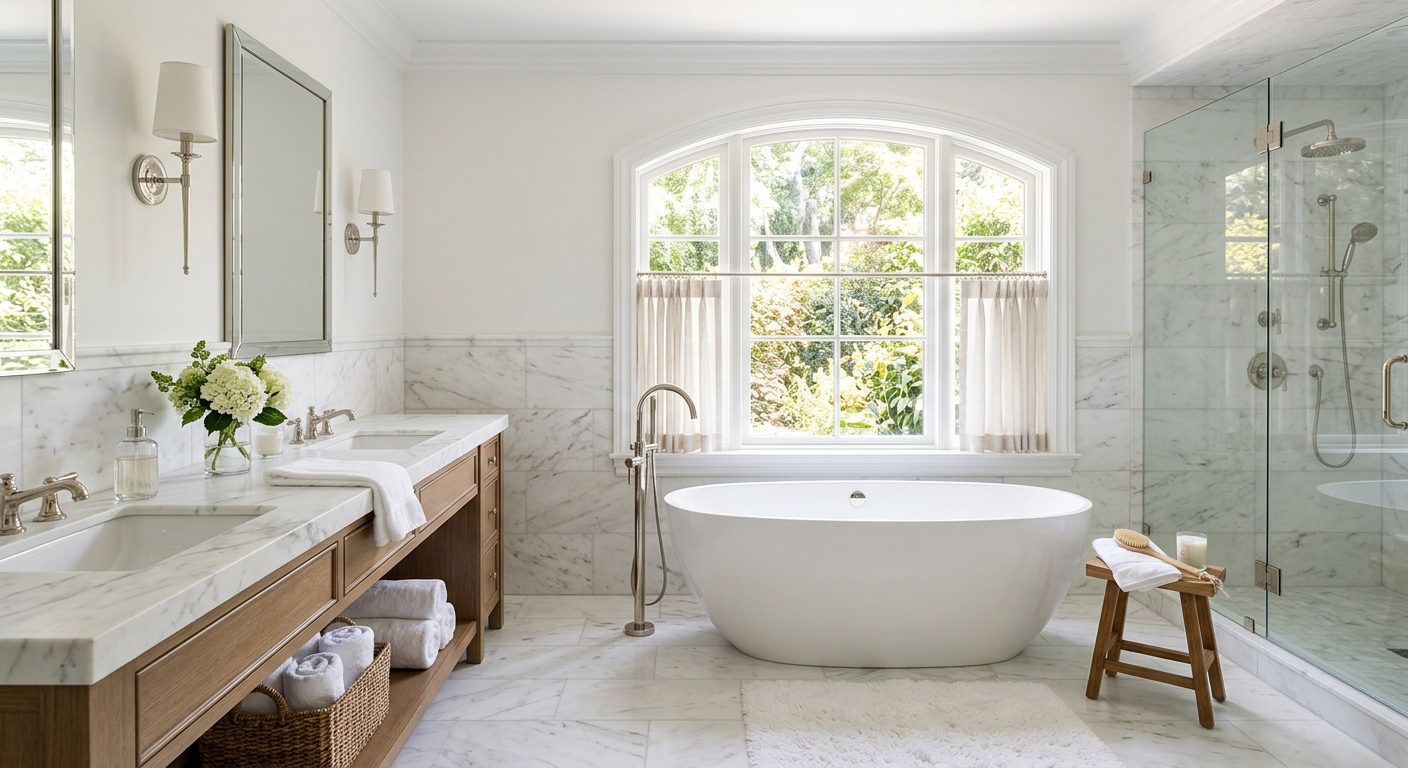
Bathroom renovation options and costs in Palmerston-Little Italy
Bathroom renovation in Palmerston-Little Italy, Ontario, usually starts with deciding how “deep” you want to go—because the difference between a cosmetic refresh and a full renovation can be the difference between a weekend of work and a full tear-out. With Palmerston-Little Italy sitting in a Toronto-sized housing mix (population 13,826 in the local profile area; Statistics Canada, 2021 Census), many homes reflect older building practices where dated drain layouts, tighter venting runs, and past finish choices can surface once walls are open. In the Toronto market, bathroom costs are driven more by labour rates and the age of housing stock than by weather itself, but Ontario’s winter freeze-thaw and frequent indoor humidity still make waterproofing quality non-negotiable.
In the Toronto economic region, especially around Little Italy’s denser streets, contractors tend to be in high demand due to a steady flow of occupied homes needing careful scheduling and dust control. That competition for skilled tile setters and plumbers keeps pricing firm, particularly for custom showers and complex plumbing layouts. It’s also why full renovations in the GTA commonly fall in the low-to-mid five figures, and why hidden conditions—cast-iron or undersized drains, galvanized supply lines, and occasional asbestos-containing materials in older floor tile or drywall compound—can push budgets toward the upper end.
Below are typical scope options you can use to benchmark quotes before you compare contractor proposals in Palmerston-Little Italy.
| Renovation Scope |
What's Included |
Typical Duration |
Price Range |
| Cosmetic refresh (paint, fixtures, accessories only) |
New vanity or fixture swaps, paint, recaulk, toilet/vented accessory replacements, towel bars/lighting updates; tile limited to small repairs |
3–7 days |
$4,000–$8,000 |
| Mid-range full renovation (new tile, vanity, tub/shower, electrical) |
Full demo, waterproofing system, floor and wall tile, vanity and toilet, bathtub or tub/shower surround, exhaust fan upgrades, basic electrical updates (GFCI/lighting) |
2–3 weeks |
$12,000–$22,000 |
| High-end full renovation (custom tile, steam shower, heated floors) |
Custom shower/tile work, heated floor prep and circuit, premium fixtures/valves, upgraded waterproofing, multiple niche shelves, frameless glass, added ventilation and electrical refinements |
3–5 weeks |
$22,000–$30,000 |
| Shower-only installation (convert tub to walk-in shower) |
Demo tub, new shower base/pan, waterproofing, tile surround, linear drain (optional), new valve trim, glass/partition, ventilation and minor electrical as needed |
2–3 weeks |
$14,000–$24,000 |
| Bathtub replacement or tub-liner install |
Remove and set new tub (or install liner where conditions allow), reglaze/refinish options, new trim, fresh caulking, plumbing touch-ups |
4–10 days |
$1,200–$3,500 |
| Tile-only installation (floor + surround, existing layout kept) |
Floor and wall tile replacement over existing plumbing points, new grout and sealant, waterproofing upgrades within the tiled area, re-establishing drains where needed for tile thickness |
1–2 weeks |
$8,000–$16,000 |
Prices are estimates only and vary by project scope, site access and material selection.
What affects the price of bathroom renovation in Palmerston-Little Italy
Two homeowners in the Toronto economic region can receive quotes that vary by 30–50% for the same “finished look” because the unseen work can be very different once we open walls and floors. In Ontario, the main drivers are regional labour rates and the age of the housing stock—not a direct “climate cost” like you’d see in some exterior projects. Toronto-area tile setting, plumbing rough-ins, and waterproofing are labour-intensive trades, and when older homes need upgrades to meet current requirements, the budget grows quickly.
In Palmerston-Little Italy, older post-war and 1960s–1980s homes often hide cast-iron or undersized drain stacks, galvanized supply lines, and ventilation that’s less than ideal for modern bathroom exhaust. If asbestos-containing materials are discovered in older vinyl floor tile or drywall compound (commonly seen in pre-1985 homes), abatement protocols can add roughly $1,500–$5,000+ depending on extent and containment requirements. That’s why a “mid-range” renovation that starts around the $12,000–$22,000 band can slide toward the high end if drain reconfiguration, vent corrections, or additional shut-offs are required.
Concrete examples from local site conditions: (1) keeping the tub in place usually reduces drain and vent complexity, often keeping you closer to the lower half of the mid-range band; (2) switching to a steam-ready shower with upgraded controls usually increases electrical and waterproofing scope; (3) if the subfloor is uneven or has rot near wet areas, you may need self-levelling or subfloor replacement, which adds labour time but protects the tile warranty.
| Price Factor |
Why It Matters |
Cost Impact |
| Layout change — moving drain or supply lines requires rough-in work |
Plumbing walls get opened, drains may need re-routing, and venting/shut-offs may require corrections |
Commonly adds several thousand dollars; can move a job from mid-range into higher bands |
| Tile selection — large-format porcelain vs. mosaic vs. ceramic |
Large-format needs more precise subsurface prep; mosaics increase labour time for cutting and setting |
Can swing materially; tile-only work often varies by thousands in labour + materials |
| Fixture tier — builder-grade vs. mid-range vs. designer brands |
Higher tiers cost more for valves, trim, and long-term finish performance; design often requires more precision |
Typically adds up to a few thousand, especially with premium faucets and glass |
| Subfloor condition — rot or unlevel concrete adds scope |
Weak or uneven floors cause movement and grout failure unless corrected |
Usually adds scope and time; can be the difference between a straightforward install and a rebuild |
| Electrical — adding GFCI outlets, exhaust fan, heated floor circuit |
Bathrooms need safe, code-compliant outlets and ventilation; heated floors require dedicated circuits and testing |
Often adds moderate to significant costs depending on what’s new |
| Waterproofing method — membrane type and extent |
Good waterproofing is the mould insurance; systems vary in coverage and labour demands |
Can add cost upfront but reduces call-backs and long-term failure risk |
| Older-home surprises — asbestos tile, cast-iron drains, galvanized pipes |
Hidden conditions trigger licensed abatement, pipe upgrades, and added disposal and labour |
Can add $1,500–$5,000+ for abatement and several thousand for plumbing corrections |
| Bathroom size — sq ft drives tile and labour time directly |
More floor and wall coverage increases setting time, thinset/grout usage, and curing sequences |
Smaller baths often land near the lower end; larger or more complex layouts trend higher |
Permits & regulations in Ontario
In Ontario, many “look changes” to a bathroom are considered cosmetic and typically do not require permits—for example: swapping a vanity, replacing fixtures like a toilet or faucet where plumbing points remain in the same location, repainting, and retiling that does not require moving plumbing or altering structural walls. That said, permits do come into play when you change the plumbing or electrical scope that the building and inspection process is meant to verify.
Work that typically does require a permit includes: relocating plumbing (moving drain or supply lines), making changes that affect venting or drainage routing, adding or relocating shut-offs when required by the new rough-in, installing or altering electrical circuits (for example, adding new GFCI receptacles, adding a new bathroom exhaust fan with a new circuit, or wiring a heated floor system), and any structural wall changes (even if only partial) that impact framing.
Work that typically does not require a permit includes: fixture swaps at existing connections, paint, accessory installation, and tile work where the plumbing stays put and you’re not altering the structure.
To verify a contractor in Palmerston-Little Italy, follow a simple checklist: (1) confirm their Ontario trade licence status and business details through the appropriate online registry; (2) request a current certificate of insurance and confirm it includes liability coverage for renovation work; (3) ask for proof of WSIB/WCB coverage for the crew doing the work; and (4) when you receive it, keep a copy of these documents with your contract so your project records are complete.
Choosing tile, waterproofing and fixtures for your Palmerston-Little Italy bathroom
In Palmerston-Little Italy, your material decisions drive both waterproofing success and your final budget—especially because Toronto-area bathrooms often involve tighter trades coordination and higher labour time for complex tiling. Start with tile choice. Entry-level ceramic is usually the most economical, but it can demand more care in layout and still needs good prep. Porcelain is denser and commonly a better long-term choice for floors and wet areas. If you want luxury, natural stone (marble, travertine, slate) looks exceptional, but it can be less forgiving and typically costs more to install and maintain because it requires correct sealing and careful handling.
Next, match waterproofing method to the bathroom’s real moisture behaviour in Ontario. Humidity sits high after showers, and winter indoor air conditions can keep bathrooms cooler for longer—so preventing mould is about waterproofing coverage, not just the tile. Paint-on membranes can work for certain surfaces, while bonded sheet membranes or systems built like a Schluter-style approach offer a more robust barrier where movement and corners are critical.
Finally, fixture tier matters for both budget and resale. Builder-grade trims can keep your costs in the $12,000–$22,000 renovation band when you’re also controlling labour-intensive scope. If you upgrade to designer valves and glass while holding layout steady, you can justify that spend—often the “feel” is worth it. But if you’re moving drains to create a custom shower, you’ll likely get a better return by putting money into waterproofing and glass than into stacking multiple premium fixtures on top of expensive plumbing changes.
For a dollar example: if you’re choosing between porcelain and natural stone, a stone upgrade can add thousands. In many Palmerston-Little Italy renovations, that’s best justified when you’re also upgrading the shower visual (like a linear drain and frameless glass) and you have solid subfloor conditions—otherwise the money can be better used on the waterproofing system and tile setting quality.
| Material / Option |
Pros |
Cons |
Price Range |
| Ceramic tile (floor + walls) |
Budget-friendly; wide variety of colours/patterns; straightforward to source |
Can be more susceptible to chipping; requires careful selection for slip resistance on floors |
$3,000–$7,000 |
| Porcelain tile (floor + walls) |
Denser and more durable; better for wet-area floors; consistent sizes |
Costs more than many ceramics; large-format layouts require very flat subfloor prep |
$5,000–$10,000 |
| Natural stone (marble, travertine, slate) |
High-end look; unique veining and texture; strong curb appeal |
Sealing and maintenance; can be softer or more porous; higher labour complexity |
$8,000–$16,000 |
| Frameless glass shower enclosure |
Brightens the room; modern appearance; good for custom shower layouts |
Hardware and installation cost; requires precise pan/tiling plane for clean alignment |
$2,000–$6,000 |
| Prefab tub surround (acrylic) |
Fast install; fewer tile cuts; good value if you’re keeping a tub |
Less “custom” look than full tile; seam quality depends on installation |
$1,200–$3,500 |
| Custom shower pan (tile or linear drain) |
Clean lines; better drainage control; excellent for modern walk-in showers |
More labour and careful waterproofing; layout changes can add plumbing scope |
$4,000–$12,000 |
How to choose a bathroom renovation contractor in Palmerston-Little Italy
Choosing the right bathroom renovation contractor in Palmerston-Little Italy starts with verifying Ontario compliance and protecting yourself from job delays and workmanship issues. First, verify Ontario trade licensing for the relevant trades on your project (especially electrical and plumbing scope). Ask for their liability insurance certificate—make sure it’s current and includes renovation work, and that the named insured matches the company you’re hiring. Next, confirm WSIB/WCB coverage for the workers who will be on your site. You can ask for a clearance letter or proof of coverage, and you should be able to see the coverage details reflected in documentation.
Then get 2–3 itemised written quotes. Your quote should separate labour and materials and list the specific products included (tile brand/line, membrane system, fan model, valve trim style). A lump-sum “all-in” number is harder to compare and often hides scope creep. Read the scope carefully: what’s excluded (demo disposal, subfloor repairs, grout/caulk replacement, patching/priming, permits)? Is permit pull included if required? Is disposal included in the price?
Warranty is another critical point: ask for the workmanship warranty length, the product/manufacturer warranties, and whether warranties transfer if you sell the home. Finally, payment schedule matters. In my experience, you should never pay more than 10–15% upfront and you should hold back until key milestones (especially waterproofing and substrate completion) are done. Get a written start date and a realistic completion estimate that includes curing and inspection time for any permitted work.
- Request their Ontario trade licence details and match them to the exact trades they’ll perform.
- Confirm liability insurance is active and ask for the certificate copy before signing.
- Verify WSIB/WCB coverage; keep the clearance letter/proof in your project file.
- Get 2–3 itemised quotes with labour + materials breakdown, not only totals.
- Ask what waterproofing system is included (membrane type and where it’s installed).
- Confirm whether disposal, drywall patching, and subfloor prep/leveling are included.
- Clarify permit pull responsibility if you’re relocating plumbing or adding circuits.
- Make sure exhaust fan details are specified (model, ducting approach, and electrical plan).
- Check whether heated floors include circuit, testing, and proper substrate prep.
- Verify the warranty: workmanship duration, manufacturer warranties, and transferability.
- Set a payment schedule that includes holdback and milestone-based releases.
- Require a written timeline including curing time for membranes and thinset grout.
In Palmerston-Little Italy, a few red flags I commonly see: vague scopes that don’t list the waterproofing and tile systems; quotes that can’t explain permit responsibility when drains or electrical circuits change; contractors asking for large upfront deposits; no clear warranty terms in writing; and payment requests that skip milestone holdbacks (especially before waterproofing is completed and verified).
Frequently asked questions — bathroom renovation in Palmerston-Little Italy
Can I live at home during a bathroom renovation in Palmerston-Little Italy?
Often, yes—many Palmerston-Little Italy homeowners live at home during a bathroom refresh or even a full reno, as long as the schedule is controlled. Living in place works best when the plan is staged: dust containment for demo, waterproofing days, and then careful tile and grout curing before finishing touches. The bigger the plumbing changes, the longer your wash access may be limited; a tub-to-shower conversion or a full renovation typically takes a few weeks, which can be harder when you only have one bathroom. If you’re targeting a cosmetic refresh, the disruption is usually minimal, while a mid-range full renovation (commonly $12,000–$22,000) needs more coordination for daily routines. We recommend setting up a temporary wash station and protecting nearby flooring from debris.
What's the best bathtub material for a Palmerston-Little Italy home?
The “best” depends on whether you prioritize durability, weight, and how your existing plumbing and access are set up. For many Ontario homes, a solid acrylic tub or a high-quality acrylic replacement is a practical choice: it’s relatively light for installation, has good heat retention for comfort, and is often faster to set than heavier options. If you’re comparing a tub swap to a liner, a liner can be cost-effective when the surrounding surfaces are in good condition, but it won’t fix underlying issues like subfloor movement. For budgets, even bathtub replacement sits in the $1,200–$3,500 band for material/scope when layout doesn’t change. If your plumbing is older (galvanized supply lines or dated shut-offs), the “best” tub is the one installed alongside any necessary plumbing updates to prevent leaks and reduce future call-backs.
Is it worth renovating a bathroom before selling in Palmerston-Little Italy?
In many cases, yes—bathrooms are a high-impact room for buyer perception in Ontario, especially when the reno improves appearance, waterproofing reliability, and fixture performance. If your current bathroom is dated but structurally sound, a cosmetic refresh or a tile-forward update can deliver strong visual value with less downtime. If you’re dealing with recurring moisture issues, failed caulking, or old plumbing arrangements that may be near the end of their service life, a full renovation often protects you from inspection surprises. Realistically, full bathroom renovations in the GTA commonly land in the low-to-mid five figures, such as $12,000–$22,000 for many mid-range projects and higher for custom work. The key is matching the scope to the problem: repainting over hidden ventilation or drain shortcomings rarely solves the root issue, and buyers notice when waterproofing looks “patched.”
How do I plan a bathroom renovation on a tight budget in Palmerston-Little Italy?
Start by reducing the expensive variables: avoid moving plumbing and avoid expanding the shower footprint unless you truly need it. Keeping the layout steady is one of the fastest ways to limit rough-in work, disposal complexity, and potential venting corrections that can inflate Toronto-area budgets. Focus spend where it matters most: a reliable waterproofing system, correct substrate prep, and durable tile in slip-resistant selections. You can also “phase” the work: do a cosmetic refresh now and schedule tile/shower improvements later if your budget is tight and your waterproofing is still sound. For example, many homeowners set a base renovation plan around the mid-range band ($12,000–$22,000) and then pick one upgrade path—porcelain tile with an upgraded exhaust fan, or a bathtub replacement around $1,200–$3,500 if you’re maintaining the tub. Get itemised quotes so you can see what’s labour-driven (tile setting, plumbing access) versus what’s optional.
What's the difference between a cosmetic and a full bathroom renovation?
A cosmetic renovation typically refreshes surfaces and finishes without changing core systems: think new paint, fixture swaps (like vanity, taps, toilet), lighting changes, and minor tile repairs. A full renovation means the bathroom is essentially rebuilt: demo to the subfloor/walls, replacement or refinishing of the waterproofing layer, new tile surfaces (floor and/or walls), plumbing and electrical updates where needed, and often updated ventilation. In Ontario, the permitting trigger is mostly about scope—cosmetic work usually avoids permits, while relocating plumbing (moving drain or supply lines) and adding new electrical circuits for fans or heated floors commonly require permitted work. That’s why pricing differs so much: cosmetic refreshes can be relatively controlled, while full renovations are usually in the low-to-mid five figures (for example, $12,000–$22,000 for many mid-range complete projects).
How do I choose the right contractor for my bathroom in Palmerston-Little Italy?
In Palmerston-Little Italy, I recommend choosing a contractor who can prove three things: (1) Ontario trade licence compliance for the trades involved, (2) liability insurance, and (3) WSIB/WCB coverage. Ask for documents and keep copies with your contract. Next, require 2–3 itemised written quotes with labour and materials listed separately—so you can compare the waterproofing system, exhaust fan type, tile products, and what’s included for disposal and patching. Carefully read the scope for exclusions like permit pull responsibility, subfloor repairs, and grout/caulk replacement. Lastly, insist on clear warranties: workmanship warranty length, manufacturer warranties, and whether warranties transfer if you sell. A good contractor should also explain likely Toronto-area older-home surprises—like drain condition or possible asbestos-containing materials in older finishes—so your budget doesn’t get surprised mid-job.