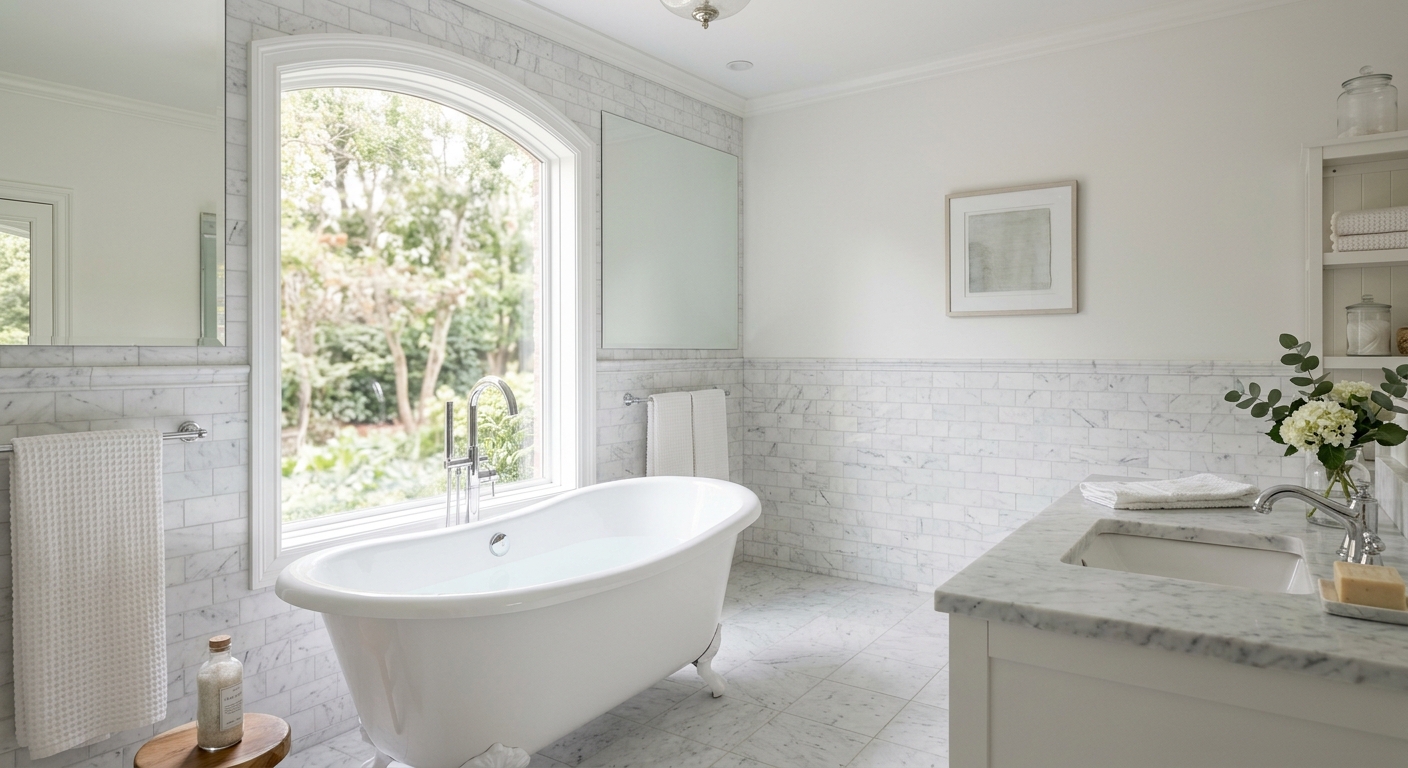
Bathroom renovation options and costs in Nipigon
Nipigon homeowners usually have a few clear paths for their bathroom renovation, and the right choice depends on how much you want to change beyond the visible surfaces. With 87.1% of homes built before 1981 in the local housing stock, many bathrooms start with dated rough-ins, older drain configurations, and finishes that can conceal maintenance issues. That’s why the same “new vanity and tile” plan can become a broader project once walls open—especially if older materials include brittle floor tile, old backing, or hidden moisture damage. (Statistics Canada, 2021 Census)
In Northwest Ontario, bathroom pricing is shaped less by climate and more by labour availability, trade coordination, and the cost of discovery in older houses. Bathroom work often uses multiple trades, and in older stock you may run into galvanized supply lines, undersized drains, or ventilation that doesn’t meet today’s performance expectations. Labour can also be steadier in hubs like Thunder Bay, but crews still need to travel to communities like Nipigon, so scheduling and mobilization affect timelines and costs.
If you’re renovating in and around the North Nipigon area, contractors tend to be in demand because there’s steady turnover in older housing and cottage-season plumbing/electrical needs. From a contractor’s perspective, it’s also a common spot for “refresh now, fix behind the walls later” scenarios—so the scope you choose really matters. Use the table below to compare the most common renovation routes and realistic 2026 price expectations for your project.
| Renovation Scope |
What's Included |
Typical Duration |
Price Range |
| Cosmetic refresh (paint, fixtures, accessories only) |
Paint, replace toilet/vanity top or vanity only (no plumbing relocation), swap lighting, re-caulk, accessories (towel bar, grab bar optional), deep clean and touch-ups |
3–7 days |
$3,000 – $7,000 |
| Mid-range full renovation (new tile, vanity, tub/shower, electrical) |
Demo & disposal, new vanity, new tub/shower surround or re-tiled shower zone, upgraded waterproofing, updated exhaust fan and/or light, GFCI where needed, reworked ventilation ducting if required, new trim and fixtures |
2–4 weeks |
$12,000 – $20,500 |
| High-end full renovation (custom tile, steam shower, heated floors) |
Custom waterproofed shower/tub area, designer tile layout, heated floor prep and circuit (as applicable), premium fixtures, possible layout refinement, upgraded venting strategy, higher-end finishes and trim |
4–7 weeks |
$20,500 – $26,000 |
| Shower-only installation (convert tub to walk-in shower) |
Remove tub, install walk-in shower base/pan and waterproofing, new shower valve trim, glass enclosure (optional or included depending on layout), tile to ceiling or chosen height, exhaust fan check, new caulking and finishes |
2–3 weeks |
$15,000 – $22,000 |
| Bathtub replacement or tub-liner install |
Remove and replace tub (or install liner), re-caulk and reseal, new faucet trim if needed, minor wall repair, basic tile touch-up or localized surround replacement |
5–12 days |
$1,200 – $4,000 |
| Tile-only installation (floor + surround, existing layout kept) |
Demo to sound surfaces, waterproofing system, tile floor and wall surround, grout and sealing, accessory installs (grab bars optional), keeps plumbing where it is unless removal reveals issues |
1–2 weeks |
$1,500 – $5,000 |
Prices are estimates only and vary by project scope, site access and material selection.
What affects the price of bathroom renovation in Nipigon
In Nipigon and across Northwest Ontario, two quotes for the “same” bathroom can easily separate by 30–50% because the hidden work changes. The labour rate and the age of the housing stock usually drive that difference more than local weather does. In this region, with most homes built before 1981, older drain stacks, supply piping, and ventilation layouts can require corrections once walls are opened. If you uncover cast-iron or older copper drain sections, you may need rough-in upgrades to handle today’s code expectations and drainage performance. You can also see galvanized supply lines that look serviceable until pressure tests or shower valve changes reveal limitations. (Statistics Canada, 2021 Census)
Asbestos discovery is another cost swing factor. If flooring or old drywall compound contains asbestos (more likely in pre-1985 material), remediation triggers specific protocols and adds budget. In practice, that can add roughly $1,500 – $5,000+ depending on what’s affected and how far the contractor must open surfaces. On top of that, older ventilation setups can require additional fan ducting, roof/wall penetrations, and electrical work, which pushes projects toward the upper end of the $12,000 – $26,000 full-bath band.
Concrete examples from Nipigon job sites: (1) switching to a large-format porcelain tile often costs more in labour because of substrate prep and layout complexity, even before materials. (2) keeping your current plumbing footprint can keep you closer to a “mid-range full renovation” plan, while moving the drain can add rough-in time and demo/patch work that expands scope. (3) if your subfloor is uneven—common in older homes—tile installations may require self-levelling compounds or re-framing, which raises labour time and waterproofing prep.
| Price Factor |
Why It Matters |
Cost Impact |
| Layout change — moving drain or supply lines |
Requires rough-in work, wall opening, and often additional permits/inspections |
Can add several thousand dollars; commonly pushes projects toward full-renovation pricing |
| Tile selection — large-format porcelain vs. mosaic vs. ceramic |
Different weights, cutting needs, and substrate tolerances increase labour time |
Higher-end tile choices typically increase both material and installation labour |
| Fixture tier — builder-grade vs. mid-range vs. designer brands |
Premium valves, faucets, and trim can cost more and may require specific rough-in parts |
Often a direct several-hundred to multi-thousand uplift depending on brand |
| Subfloor condition — rot or unlevel concrete adds scope |
Waterproofing and tile systems demand a stable base; repairs are labour-intensive |
Can turn a “tile-only” job into a mid-range full renovation scope |
| Electrical — adding GFCI outlets, exhaust fan, heated floor circuit |
Code-compliant upgrades require licensed work and sometimes additional wiring runs |
Frequently one of the larger hidden line items in older homes |
| Waterproofing method — membrane type and extent |
Coverage requirements and system details affect labour and materials |
Good systems cost more upfront but reduce repeat repairs |
| Older-home surprises — asbestos tile, cast-iron drains, galvanized pipes |
Remediation and re-plumbing increase demolition and coordination |
Can add roughly $1,500 – $5,000+ for remediation-type scope |
| Bathroom size — sq ft drives tile and labour time directly |
More floor area means more waterproofing, tile setting time, and grout/finishing |
Larger bathrooms typically move you higher in the stated price bands |
Permits & regulations in Ontario
In Ontario, many “cosmetic-only” bathroom upgrades rarely need a permit. Swapping fixtures like the toilet, vanity, faucet trim, or accessories (and retiling without moving plumbing) is generally treated as a surface update. However, permits are typically required when you change plumbing layouts (moving a drain or supply lines), add or significantly alter electrical circuits (for example, new exhaust fan wiring, adding new GFCI outlets, or installing a heated-floor circuit), or make structural changes that affect walls, framing, or load paths.
Electrical work must be completed by a licensed electrician or handled under their sign-off, and plumbing rough-in changes generally require permit and inspections before the walls are closed. Even if a contractor says “no permit needed,” you should confirm the scope in writing—because if something was missed, you may be stuck redoing work to pass inspection later.
For a Nipigon homeowner verification checklist: first, ask for the contractor’s Ontario trade licence details (where applicable) and their business contact info. Next, request a current certificate of insurance showing liability coverage and the appropriate endorsements for contractor work. For worker protection, ask about WSIB/WCB coverage; in most cases the contractor should provide a clearance letter or proof of coverage upon request. Lastly, make sure any permit pulls (if required) are included in the quote and who is responsible for scheduling inspections.
Choosing tile, waterproofing and fixtures for your Nipigon bathroom
Tile, waterproofing, and fixtures are the three material decisions that most directly control both your Nipigon bathroom budget and its long-term performance. First, tile choice: ceramic tile is usually an entry-level option, while porcelain offers better stain resistance and strength, which matters in busy households and for frequent cleaning. Natural stone (marble, travertine, slate) can look premium, but it typically needs extra care and a very precise installation approach. In older Ontario homes, the bigger risk is not the tile—it’s the substrate. That’s why correct prep and waterproofing are non-negotiable.
Second, waterproofing method: paint-on membranes can work for some areas, but they are more sensitive to application quality and coverage details. Bonded sheet membranes and modern system approaches (including properly integrated details at corners, changes of plane, and penetrations) tend to be more forgiving in wet zones. Ontario bathroom humidity is real, and a properly sealed system is what prevents mould and recurring grout cracking after the first winter cycle.
Third, fixture tier: builder-grade fixtures keep initial costs down, while mid-range and designer brands often reduce maintenance issues and improve usability. For example, upgrading to a better shower valve and trim can be money well spent, whereas paying for a high-end stone look with poor waterproofing is not. If your goal is a “mid-range full renovation” around $12,000 – $20,500, you’ll often get better value by choosing porcelain tile plus a dependable waterproofing system rather than jumping straight to natural stone. If you’re targeting the upper full-bath band up to $20,500 – $26,000, heated floors and premium glass/enclosure details can justify the cost—provided the subfloor and waterproofing are done right from day one.
| Material / Option |
Pros |
Cons |
Price Range |
| Ceramic tile (floor + walls) |
Affordable, good variety of styles, solid for most bathroom surfaces with correct waterproofing |
Less durable than porcelain in heavy-use areas; can chip if substrate is unstable |
$1,500 – $3,200 |
| Porcelain tile (floor + walls) |
Higher durability, better stain resistance, excellent choice for wet-zone environments |
Heavier tile can increase labour time and requires careful substrate prep |
$2,200 – $4,200 |
| Natural stone (marble, travertine, slate) |
Luxury look and unique character; strong design impact |
Sealing/maintenance required; installation tolerances are tighter; higher labour risk |
$4,000 – $7,000 |
| Frameless glass shower enclosure |
Modern, visually bright shower; easier cleaning than bulkier surrounds |
Costs more; needs accurate waterproofing and backing/anchoring |
$1,800 – $4,000 |
| Prefab tub surround (acrylic) |
Fast install, consistent finish, lower labour complexity than full tile walls |
Limited design customisation; seams still need correct sealing |
$1,200 – $2,500 |
| Custom shower pan (tile or linear drain) |
Best drainage and a clean aesthetic; ideal for accessible walk-in designs |
More build time; requires precise waterproofing and slope planning |
$2,500 – $6,500 |
How to choose a bathroom renovation contractor in Nipigon
Choosing the right contractor in Nipigon starts with verification, not promises. First, confirm Ontario licensing where it applies to their trade work. Ask for liability insurance certificate documentation and make sure the coverage is current and adequate for renovation work. For worker protection, request proof of WSIB/WCB coverage (or a clearance letter where available). If the contractor can’t produce documentation promptly, treat that as a serious risk.
Second, get 2–3 itemised written quotes—labour and materials broken out—rather than one lump sum. You want line items that show demo/disposal, framing/patching, waterproofing system, tile supply and labour, electrical scope, and whether the contractor includes permit pull and inspections if required. Confirm what’s excluded: sometimes disposal, wall repairs, subfloor remediation, or additional waterproofing layers are not included. Also check warranty terms carefully: workmanship warranty length matters, and product/manufacturer warranties should state coverage and whether they transfer if you sell the home.
Third, payment schedule and timeline. Never accept a plan with more than about 10–15% upfront. A reasonable approach is a deposit for materials only, then progressive payments tied to completed milestones, with a holdback until the job is finished and cleaned. Finally, get a start date and completion estimate in writing so you can plan around bathroom downtime.
- Ask for Ontario licensing details and trade-specific credentials (where applicable) before signing.
- Request a certificate of liability insurance and confirm the coverage is active.
- Verify WSIB/WCB coverage with proof or a clearance letter.
- Get 2–3 itemised quotes (labour + materials), not one bundled number.
- Confirm whether permit pull and inspection scheduling are included for plumbing/electrical changes.
- Ensure disposal/dump fees are stated (not “included with demo” vaguely).
- Ask what waterproofing method is used and whether it includes details for corners and penetrations.
- Clarify if tile backer/subfloor repairs are included if rot or lippage is found.
- Confirm the exhaust fan plan (type, duct route, and whether it’s vented properly).
- Check that electrical work will be done/signed off by a licensed electrician.
- Review warranty: workmanship duration, what’s excluded, and product warranty transferability.
- Hold back final payment until final caulking, grout, test run, and cleanup are complete.
Common red flags in Nipigon include: contractors who won’t provide WSIB/WCB or insurance proof; quotes that omit waterproofing details while still promising a “waterproof shower”; vague scopes that don’t list disposal/repairs or the exhaust fan plan; asking for large upfront payments; and no written start/completion timeline. These gaps are where cost overruns and bathroom downtime typically come from.
Frequently asked questions — bathroom renovation in Nipigon
What's the best tile for a bathroom in Nipigon?
For most Nipigon bathrooms, porcelain tile is usually the best overall balance of durability, appearance, and long-term maintenance. It handles frequent cleaning and splashy wet zones well, especially when paired with a proper waterproofing system. Ceramic can work too, but it’s more sensitive if your subfloor isn’t perfectly stable or if there are ongoing moisture issues. In a region where many homes were built before 1981, that substrate prep step matters as much as the tile choice. If your goal is a mid-range renovation around $12,000 – $20,500, porcelain plus a reputable membrane system tends to deliver a better “value per repeat repair” than upgrading tile alone.
Should I do a tub-to-shower conversion?
A tub-to-shower conversion is often a smart move in Nipigon if you want easier access, faster cleaning, or you’re planning for long-term mobility. Converting also helps when the existing tub surrounds are dated or showing signs of failed caulking and water intrusion. That said, the best time to do it is when you’re also willing to address ventilation and waterproofing properly—especially in older Northwest Ontario homes where hidden moisture can exist behind tile. Budget-wise, a walk-in shower conversion often sits in the “shower installation/renovation” portion of the plan; many homeowners see total bathroom costs move into the full renovation band (often $12,000 – $26,000) once electrical and rough-in adjustments are included.
How do I prevent mold in a Nipigon bathroom?
Mould prevention in Nipigon comes down to three things: airflow, waterproofing, and quick drying of wet surfaces. Make sure your exhaust fan is correctly sized for bathroom volume, vented outdoors, and properly sealed where it penetrates the exterior. Then, use a waterproofing system that includes critical transitions—corners, seams, and where fixtures penetrate walls. If you keep grout and caulking fresh and fix leaks immediately (even small ones around the valve or shower base), you reduce hidden moisture. For older homes, I also advise homeowners to be proactive about substrate readiness; a good membrane over a sound, well-prepared base is what stops mould before it starts. If you’re refreshing surfaces only, mould can still return if waterproofing was already compromised.
What adds the most resale value in a bathroom reno?
In Ontario, buyers typically notice functionality first: a modern vanity layout, a clean and consistent tile finish, reliable ventilation, and fixtures that feel current. The highest impact upgrades are usually ones that solve problems rather than just decorate—like improving exhaust fan performance, replacing failing plumbing components, and ensuring the shower is built with correct waterproofing and slope/drainage. Premium finishes can help, but they’re most valuable when the underlying build is solid. If your budget is closer to the mid-range full renovation band, prioritize waterproofing, ventilation, and durable porcelain tile. If you’re pushing toward the upper end (up to $20,500 – $26,000), heated floors, custom shower pan details, and a higher-end enclosure can improve perceived value, provided the contractor’s workmanship and warranties are clear.
Can I keep my existing plumbing layout to save money?
Yes—keeping your existing plumbing layout is one of the most reliable ways to control cost in Nipigon. When you don’t move drains or supply lines, you generally reduce demolition, reduce rough-in labour, and avoid reopening walls for re-routing. That keeps you closer to the lower end of project scopes and reduces the chance of discovering older surprises during more invasive work (like dated drain materials or hidden moisture). In practice, homeowners who keep the layout often land in the mid-range band (commonly $12,000 – $20,500) rather than escalating toward high-end full renovation pricing. Just be sure the contractor checks ventilation and waterproofing—layout savings don’t help if moisture protection is failing.
How much does a walk-in shower cost in Nipigon?
A walk-in shower cost in Nipigon depends on whether you’re simply building a new shower zone with minimal changes, or converting from a tub with rough-in and electrical adjustments. As a realistic benchmark for the area, many conversions end up within the broader bathroom renovation pricing range—often influenced by tile quantity, glass enclosure selection, and waterproofing details. You’ll commonly see walk-in projects land around the mid-to-upper portions of the $12,000 – $26,000 full bathroom bands once the bathroom is fully updated. If you’re starting with an existing shower and only replacing the base/surround, it can be lower, but conversion work is where costs rise due to demo, plumbing confirmation, and ventilation checks.