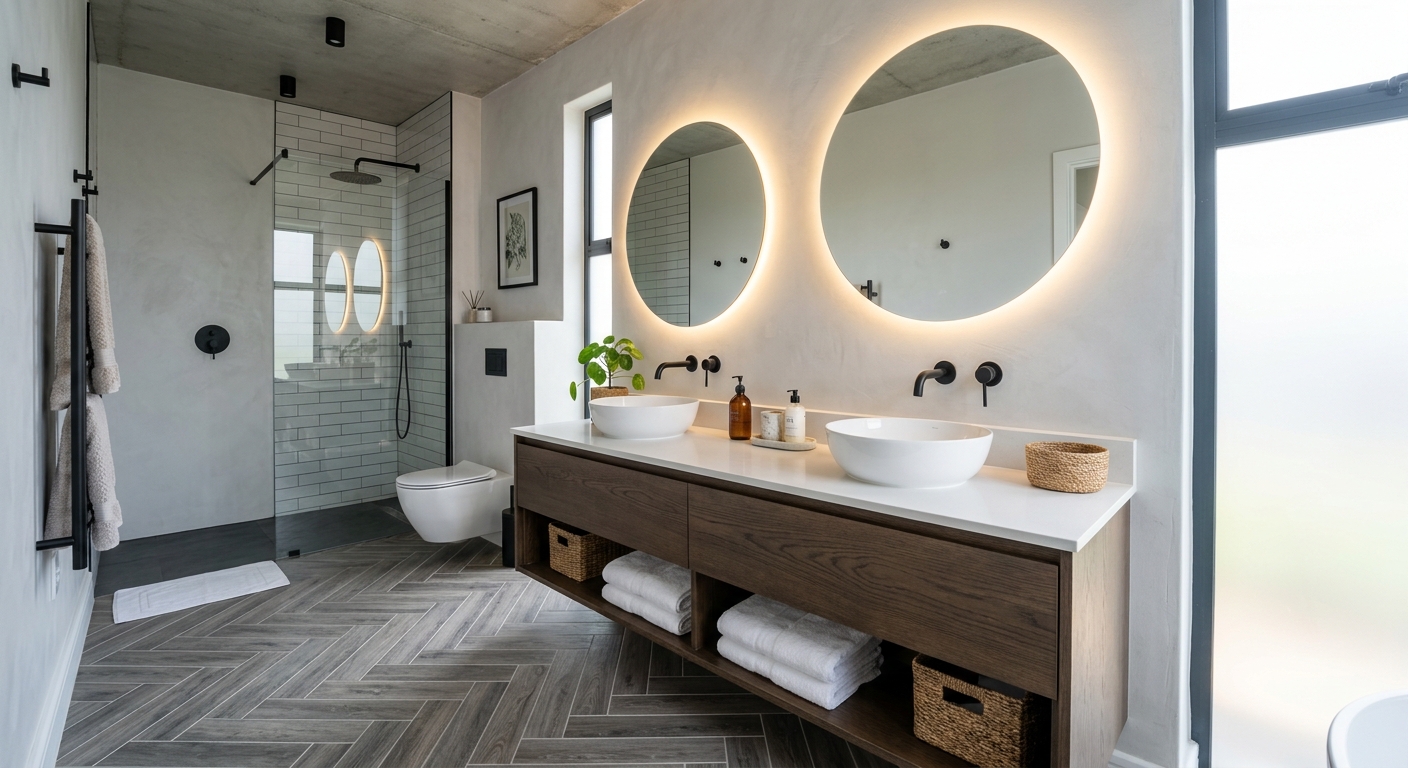
Bathroom renovation options and costs in Niagara
Niagara bathroom renovations range from quick refreshes to full rebuilds, and the price depends heavily on what’s behind the walls. In Niagara, a large portion of housing stock is older, which means dated plumbing layouts are common—think cast-iron or older drain stacks and supply lines that don’t always match modern fixture demands. With a local population of 31,180 in the Niagara profile block (Statistics Canada, 2021 Census), demand is steady across the area, and contractors often get booked around peak spring-to-fall scheduling. In older homes around St. Catharines and Niagara Falls, demolition frequently uncovers hidden scope such as venting or shutoff upgrades, occasional water-damage repairs, and sometimes asbestos-containing materials in older vinyl tile or drywall compounds (especially pre-1985). That’s why a “basic” bathroom can move into mid-range or even high-end pricing once demolition starts.
Climate also matters, but in Hamilton–Niagara Peninsula it’s typically not the reason you see large cost swings. The bigger drivers are labour rate and the housing age: if plumbers must upgrade drains, vents, shutoffs, or traps to bring work up to code, labour and material time increase. Likewise, local availability of tile setters and waterproofing specialists affects scheduling, which can change labour hours and project duration. If you want tighter control, the best approach is to choose your scope and finishes early, then confirm hidden mechanical condition during the demolition walkthrough.
Below is a realistic comparison of common renovation pathways in Niagara to help you translate a quote into apples-to-apples scope before you talk to contractors.
| Renovation Scope |
What's Included |
Typical Duration |
Price Range |
| Cosmetic refresh (paint, fixtures, accessories only) |
New paint, replace vanity or toilet only (no moving plumbing), swap lighting fixtures, update accessories, caulking/trim at existing surrounds |
2–5 days |
$4,500–$9,000 |
| Mid-range full renovation (new tile, vanity, tub/shower, electrical) |
Demo and disposal, new waterproofed tile shower/tub surround, new vanity, toilet, ventilation fan, GFCI where required, upgrades to shutoffs and rough-in as needed |
2–3 weeks |
$12,000–$25,000 |
| High-end full renovation (custom tile, steam shower, heated floors) |
Designer tile layout, premium waterproofing, custom shower features, heated floor prep and wiring, upgraded electrical, niche/linear drain options, higher-tier fixtures |
3–5 weeks |
$25,000–$45,000 |
| Shower-only installation (convert tub to walk-in shower) |
Remove tub, install walk-in shower base/pan, waterproofing, new glass door, tile surround, electrical for exhaust fan and lighting (as needed) |
1.5–2.5 weeks |
$6,500–$14,500 |
| Bathtub replacement or tub-liner install |
Replace tub and re-set surround, new caulking/trim; liner install where existing tub condition allows (surface prep required); faucet swap |
3–7 days |
$1,500–$6,000 |
| Tile-only installation (floor + surround, existing layout kept) |
Tile floor and wall surround, grout/sealing as applicable, membrane waterproofing where required, light plumbing adjustments only (no moving drains/supplies) |
1–2.5 weeks |
$3,000–$10,000 |
Prices are estimates only and vary by project scope, site access and material selection.
What affects the price of bathroom renovation in Niagara
Two homeowners in Niagara can receive quotes that differ by 30–50% for what sounds like the “same” bathroom because the hidden scope is rarely identical. In the Hamilton–Niagara Peninsula market, the main reason is not local weather—it’s labour availability, the age of local housing, and what gets discovered behind tile and drywall after demolition. Niagara’s older homes often hide cast-iron or copper drain stacks that need upgrading, galvanized supply lines that may not hold pressure properly, and ventilation deficiencies that require ducting changes. Those items add labour hours and materials, pushing projects toward mid-range full renovations (often around $12,000–$25,000) rather than a lower-cost refresh.
Electrical and waterproofing choices also shift budgets. For example, discovering asbestos in older vinyl floor tile or drywall compound (commonly in pre-1985 homes) triggers abatement protocols—this can add $1,500–$5,000+ depending on area extent and access. Another cost driver is layout: moving a drain or supply line means rough-in work, more demolition, and additional patching. You’ll see this reflected in how “simple” shower upgrades sometimes end up closer to full-project costs when the plumbing and venting need correction.
Concrete Niagara examples: converting a tub to a walk-in shower can increase costs beyond a typical shower installation range ($3,000–$8,000 for parts of the work, but $6,500–$14,500 when full waterproofing and glass are included) if the drain line requires relining or changing traps. Conversely, keeping the existing layout and choosing mid-range porcelain over complex natural stone can reduce time—fewer specialty cuts, less labour risk, and easier waterproofing detailing—especially in smaller bathrooms.
In short, the age of Niagara housing and the condition of plumbing and subfloor are what most strongly impact cost, while Ontario humidity makes waterproofing quality non-negotiable for long-term durability.
| Price Factor |
Why It Matters |
Cost Impact |
| Layout change — moving drain or supply lines requires rough-in work |
More demolition, framing/patching, and potential vent/trap corrections |
$2,000–$8,000+ |
| Tile selection — large-format porcelain vs. mosaic vs. ceramic |
Material cost and labour time for cuts, leveling and substrates |
$500–$6,000 |
| Fixture tier — builder-grade vs. mid-range vs. designer brands |
Higher-tier fixtures cost more and often require more precise installation |
$800–$6,500 |
| Subfloor condition — rot or unlevel concrete adds scope |
Repairs, underlayment, and sometimes moisture mitigation |
$500–$5,000 |
| Electrical — adding GFCI outlets, exhaust fan, heated floor circuit |
Licensed electrical work and longer prep for wiring and controls |
$600–$4,500 |
| Waterproofing method — membrane type and extent |
Better membranes reduce long-term risk but require correct installation |
$300–$3,000 |
| Older-home surprises — asbestos tile, cast-iron drains, galvanized pipes |
Abatement, upgrades, and code-compliant corrections increase labour and materials |
$1,500–$8,000+ |
| Bathroom size — sq ft drives tile and labour time directly |
More surface area means more tile, backer/waterproofing and setting time |
$1,000–$7,000 |
Permits & regulations in Ontario
In Ontario, many “face-lift” bathroom updates typically do not require a permit—if you’re simply swapping finishes and fixtures without changing the underlying systems. Generally, cosmetic work like painting, replacing a vanity, updating lighting fixtures, or retiling using the existing plumbing locations usually falls into the category that can be done without pulling a permit. However, once you relocate plumbing (moving a drain or supply line), add an exhaust fan that requires new ducting and a new electrical circuit, or make structural wall changes, you’re more likely in permit/inspection territory.
Electrical work must meet the Ontario electrical code and be performed by a licensed electrician or signed off by one. Plumbing rough-in changes (new shutoffs, drain rework, venting/trap adjustments, or major supply line updates) often require a permit and inspection. Regardless of permit needs, you should verify your contractor’s Ontario trade licence, liability coverage, and that they coordinate any required inspections.
Here’s a practical step-by-step you can follow in Niagara: (1) ask the contractor for the exact trade licence details and confirm them through the appropriate online registry for their trade; (2) request a certificate of insurance showing liability coverage for the project; (3) ask for confirmation of WSIB/WCB coverage—many homeowners see this documented as part of the contractor’s compliance package; (4) request a clearance letter if the contractor can provide it; (5) confirm in writing whether the permit will be pulled by the contractor or by you, and who schedules inspections.
Choosing tile, waterproofing and fixtures for your Niagara bathroom
In Niagara, your material selections are where budgets either stay on track or quietly drift upward. Start with tile: ceramic is a solid entry-level choice, but it can require more careful detailing in wet areas. Porcelain is denser and more water-resistant, and it typically handles Ontario bathroom humidity better with less absorption. Natural stone (marble, travertine, slate) looks premium, but it adds cost and can complicate installation—stone needs correct substrate prep, sealing (depending on stone), and extra labour for fitting and finishing.
Second, choose waterproofing like it’s insurance, not an extra. Ontario bathrooms experience recurring moisture, so a paint-on membrane, a bonded sheet membrane, or a system like a properly detailed tiling board/Schluter-style approach must be installed correctly at the right seams, transitions, and penetrations. The right method prevents mould and grout breakdown; the wrong method shows up later as loose tile, musty odours, or moisture damage behind walls—exactly the kind of hidden scope that drives up “mid-range” full renovations and can push projects toward $25,000–$45,000 when repairs are needed.
Third, fixture tier affects both budget and resale. Builder-grade fixtures can be a good value if the rough-in is updated and the finish is installed accurately. Mid-range or designer brands are easier to justify when you’re also improving the ventilation (exhaust fan sizing), upgrading valves/shutoffs, and upgrading waterproofing. For example, spending more on porcelain tile and a proven membrane system can be worth it if it reduces the chance of rework; even a $500–$1,500 “upgrade” in tile and membrane can prevent thousands later if moisture issues emerge.
Next, match these choices to your actual bathroom condition—especially in older Niagara homes where the waterproofing detailing around niches, shower benches, and existing plumbing penetrations is where the job either succeeds or becomes costly.
| Material / Option |
Pros |
Cons |
Price Range |
| Ceramic tile (floor + walls) |
Lower material cost, good variety of colours/styles |
More brittle; less forgiving for large-format designs; can be less ideal for heavy wet-area absorption if not specified correctly |
$3,000–$6,500 |
| Porcelain tile (floor + walls) |
Dense and more water-resistant, strong for showers and floors, typically easier to maintain |
Higher material cost; still requires careful substrate and waterproofing detailing |
$4,500–$9,000 |
| Natural stone (marble, travertine, slate) |
Premium appearance and unique veining; strong resale appeal |
Costly materials; installation is more labour-intensive; often needs sealing and careful cleaning |
$7,000–$15,000 |
| Frameless glass shower enclosure |
Modern look, visually opens the room, durable when installed correctly |
Higher hardware and fabrication cost; requires accurate tile flatness and waterproofing detailing |
$1,800–$6,000 |
| Prefab tub surround (acrylic) |
Fast install, consistent finish, often simpler for homeowners with limited timelines |
Less custom look than tile; edges and transitions must be done cleanly to avoid leaks |
$800–$3,000 |
| Custom shower pan (tile or linear drain) |
Best performance when engineered and sloped correctly; linear drains look upscale |
Higher labour complexity; requires precise waterproofing and drain alignment |
$3,000–$9,000 |
How to choose a bathroom renovation contractor in Niagara
Choosing the right contractor in Niagara is mainly about proof: licensing, insurance, coverage, and a scope document that’s clear enough to prevent surprises mid-demolition. For Ontario licensing, request the contractor’s specific trade licence information for the relevant trades (and confirm it via the appropriate provincial online registry). Ask for a certificate of liability insurance that lists you or your property address for the project. Then confirm WSIB/WCB coverage—because if a worker gets injured on site, you want the contractor’s coverage to respond, not your homeowner policy. If you’re provided a clearance letter, keep it with your contract documents.
Next, get 2–3 itemised written quotes. You want line items that separate labour and materials (tile, membrane, backer board, fixtures, glass enclosure, disposal, and any waterproofing or substrate prep). A lump-sum-only quote can hide scope gaps like whether demolition includes subfloor inspection or whether your price includes permit pulling and inspection fees. Read exclusions carefully: what’s not included, who pays if asbestos abatement is required, and whether glass, niches, and ventilation upgrades are included or “allowances.”
Warranty matters: ask for a workmanship warranty length, whether it’s in writing, and whether it’s transferable if you sell the home. Also confirm product warranties from manufacturers for fixtures and shower systems. For payment, never pay more than 10–15% upfront; hold back remaining funds until the job is complete and you’ve confirmed caulking, waterproofing detailing, and proper function of the fan and plumbing. Finally, get a start date and completion estimate in writing—bathrooms are sensitive to tile curing and waterproofing schedules, so deadlines should be realistic.
- Ask for proof of Ontario trade licence(s) relevant to plumbing/electrical work and confirm via the online registry.
- Request a certificate of liability insurance and ensure it matches your project address.
- Verify WSIB/WCB coverage or clearance documentation before work starts.
- Get 2–3 quotes that are itemised (labour + materials), not “one line” estimates.
- Confirm whether asbestos abatement is included or handled as a separate allowance.
- Check if permit pulling and inspections are included in the quote price.
- Ask whether disposal/dump fees are included or billed separately.
- Confirm the waterproofing method (membrane type) and whether corners/penetrations are detailed.
- Ensure the quote specifies ventilation fan model, duct routing assumptions, and electrical allowance.
- Review what happens if subfloor is rotted or unlevel after demolition (repair allowance terms).
- Ask for warranty terms: workmanship length, transferability, and what voids coverage.
- Set a payment schedule tied to milestones, with a holdback until final inspection/testing.
Common red flags in Niagara: a contractor who won’t provide insurance/WSIB proof; quotes that don’t clearly state what’s included for waterproofing, disposal, and permits; unusually low pricing that relies on undefined allowances (especially for tile, glass, and electrical); pressure for a large upfront payment; and vague timelines that ignore waterproofing and curing steps.
Frequently asked questions — bathroom renovation in Niagara
Can I keep my existing plumbing layout to save money?
Yes—keeping your plumbing layout is one of the best ways to control cost in Niagara, especially in older homes around St. Catharines and Niagara Falls where drain stacks and venting can be hidden behind old finishes. When you don’t move drains or supply lines, you avoid a lot of rough-in demolition and fewer code upgrades are often required. That typically keeps the project closer to mid-range full renovation pricing such as $12,000–$25,000 rather than ballooning into higher plumbing-and-finishing scope. The key is to confirm condition during demo: shutoffs, traps, venting, and any signs of leakage or corrosion. If the layout is staying, ask your contractor what plumbing upgrades they routinely perform as part of a waterproofing-forward reno.
How much does a walk-in shower cost in Niagara?
A walk-in shower cost in Niagara depends on whether you’re converting from a tub, how complex the tile work is, and whether you need electrical and ventilation upgrades. If the existing rough-in is retained, many homeowners land in a mid-range shower conversion budget. In practical terms, a full shower conversion commonly falls around $6,500–$14,500 when waterproofing, tile, and glass are included. If plumbing is more challenging—like needing drain/vent/trap corrections in older houses—the project can trend upward toward the higher portion of the full-reno band. If you’re comparing options, ask for the line items for waterproofing method, shower base/pan approach, glass enclosure, and whether exhaust fan wiring is included.
What's the ROI on a bathroom renovation?
ROI varies by neighbourhood, the condition of competing listings, and whether you fix functional issues (waterproofing, ventilation, plumbing) versus only updating finishes. In Niagara, bathrooms are high-importance rooms, and buyers notice moisture control: a properly waterproofed shower, a correctly vented bathroom fan, and modern, reliable fixtures usually hold value better than cosmetic-only changes. That said, over-improving can reduce ROI if your home’s overall market position doesn’t match a premium budget. For a realistic expectation, many homeowners aim for work in the $12,000–$30,000 band (full bathroom renovation range) rather than pushing immediately to the very top. A good contractor will tie your material choices to longevity and resale appeal, particularly around tile detailing and ventilation performance.
Do I need waterproofing behind the tile?
In almost all properly executed Niagara bathroom renovations, yes—you should plan for waterproofing behind the tile in wet areas. Ontario bathrooms see repeated humidity and steam from everyday use, and grout alone is not waterproof. Waterproofing is typically installed at the shower walls and often extended to key splash zones, depending on the design and materials. Your contractor should specify the waterproofing method (paint-on membrane, bonded sheet membrane, or a system approach) and show how seams and corners are treated around penetrations (valves, shower heads) and transitions (bench/niche edges). If you remove old tile in an older home, you can also find moisture damage and substrate problems; addressing those is part of why “tile-only” can still need proper waterproofing prep.
How do I compare bathroom renovation quotes?
Compare Niagara quotes like you’re buying a system, not just finishes. First, ensure each quote includes the same scope: demolition, disposal/dump fees, waterproofing method, tile prep/substrate work, electrical items (GFCI outlets and exhaust fan circuit), and whether permits and inspections are included. Second, insist on itemised pricing so you can see labour versus materials. Many budget gaps hide in allowances—like tile grade, glass enclosure type, and whether your vanity/fixture installation requires additional electrical or plumbing adjustments. Third, check assumptions about older-home surprises: asbestos abatement, cast-iron/copper drain upgrades, or subfloor repairs. If one contractor is quoting a lower total but doesn’t mention these potential items, you may see cost increases later. Finally, confirm warranty and payment schedule.
Can I live at home during a bathroom renovation in Niagara?
Often, yes—especially for shorter scopes like cosmetic refreshes or tile-only work—but it depends on what you’re doing and how your bathroom layout supports access. During a full renovation, you may be without shower/toilet function for days at a time while rough-in is completed, waterproofing cures, and tile installation finishes. Many homeowners choose to remain in the home by setting up a temporary routine in a secondary bathroom, kitchen sink use for washing, and access to a temporary toilet if needed. If your only bathroom is being renovated, expect more disruption and plan meals and cleaning around that. For realistic budgeting, ask your contractor for the proposed schedule and what day you should expect the toilet/shower to be operational. In Niagara homes with older plumbing, this can shift slightly if upgrades are discovered.