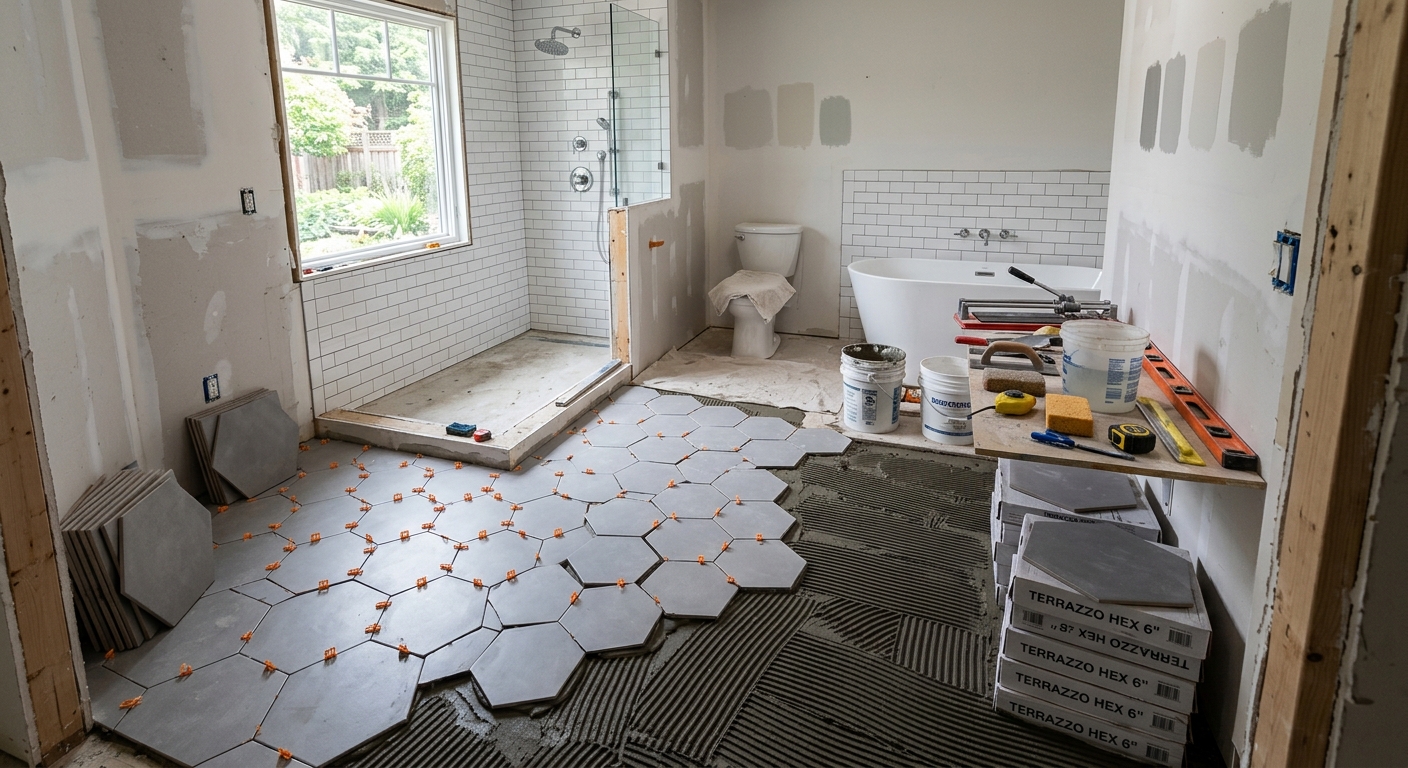
Bathroom renovation options and costs in Halton Hills
Halton Hills homeowners typically have a few clear paths when budgeting a bathroom renovation: a light refresh, a full mid-range update, or a higher-end rebuild. With 85.3% of households in Halton Hills owning their homes (Statistics Canada, 2021 Census), many projects are planned around long-term use and resale rather than just short-term aesthetics. It also matters that 46.3% of the housing stock was built before 1981 (Statistics Canada, 2021 Census); that age often comes with dated plumbing layouts, older drain materials, and a higher chance of hidden materials behind finishes.
In the Toronto economic region, pricing is shaped less by climate and more by labour availability and the labour intensity of bathrooms—especially tiling, custom showers, and complicated rough-ins. Even though Ontario’s weather doesn’t directly “drive” labour the way extreme freeze-thaw does, the seasonal demand cycle still affects scheduling. Areas with steady turnover and active trades, including neighbourhoods around Georgetown (a common renovation hub for Halton Hills), tend to see faster turnarounds—until crews get pulled into larger GTA projects.
Practically, two contractors can quote the same bathroom differently because one anticipates code-level plumbing/vent upgrades and electrical requirements once walls open. If asbestos-containing materials or older wiring remnants are discovered, scope can expand quickly. For that reason, the best way to compare options is by scope and duration—so you can see where labour and materials land before any surprises. Use the table below as a realistic baseline for planning your decision.
| Renovation Scope |
What's Included |
Typical Duration |
Price Range |
| Cosmetic refresh (paint, fixtures, accessories only) |
Paint, vanity/fixture swap (no plumbing relocation), toilet and accessories, caulking, deep clean |
2–4 days |
$3,000–$6,500 |
| Mid-range full renovation (new tile, vanity, tub/shower, electrical) |
Demolition and haul-away, tile floor + surround, vanity and mirror, new tub/shower or refinished unit with updated surround, exhaust fan and GFCI receptacle, basic plumbing connections as-is |
2–3 weeks |
$16,000–$26,000 |
| High-end full renovation (custom tile, steam shower, heated floors) |
High-end tile (custom layout), waterproofing system, heated flooring circuit, custom glass shower, steam-ready plumbing/electrical allowance, upgraded lighting, improved venting, possible rough-in corrections |
3–5 weeks |
$26,000–$45,000 |
| Shower-only installation (convert tub to walk-in shower) |
Remove tub, install walk-in shower pan/liner, waterproofing, tile/finish, new glass door/enclosure, updated shut-offs as required, vanity and fan remain (unless included) |
1.5–3 weeks |
$12,000–$22,000 |
| Bathtub replacement or tub-liner install |
Option A: new alcove tub + surround tile at limited scope; Option B: tub-liner installation with prep, re-seal, and caulking; updates to caulking and water-tightness |
3–7 days |
$3,500–$7,500 |
| Tile-only installation (floor + surround, existing layout kept) |
Remove and replace existing tile surfaces, re-grout/re-tiling, waterproofing at wet areas (to contractor standard), transition trims, limited electrical/vent work if required |
1.5–3 weeks |
$8,000–$18,000 |
Prices are estimates only and vary by project scope, site access and material selection.
What affects the price of bathroom renovation in Halton Hills
In Halton Hills, the same bathroom can end up costing 30–50% more (or less) because GTA-area renovation pricing is dominated by skilled labour rates and what gets uncovered once walls and floors are opened. Unlike climate-driven exterior building changes, bathrooms are labour-intensive by design: tile setting, waterproofing detailing, custom shower builds, and plumbing rough-ins consume hours even when materials are similar. Toronto’s competitive trade market also adds a premium for experienced crews who can hit tight schedules and manage inspections.
Local housing age is a major driver. Since 46.3% of homes were built before 1981 (Statistics Canada, 2021 Census), contractors often expect plumbing and venting brought up to current Ontario requirements. That can mean upgrading cast-iron drain sections, addressing undersized or dated vent paths, replacing galvanized supply lines, and installing updated shut-offs. Discovery of asbestos-containing materials in older tile or floor prep (common in older structures) can trigger licensed abatement protocols—adding roughly $1,500–$5,000+ depending on material quantity, access, and disposal requirements.
Here are practical examples of why cost swings happen in Halton Hills: (1) If you move the vanity or relocate the shower valve, rough-in work and new drain runs can push a “mid-range” refresh toward a full mid-range renovation budget (for example, $12,000–$30,000 typical full-range pricing). (2) If you choose large-format porcelain instead of smaller ceramic, labour may not drop—because prep and substrate requirements can increase. (3) If the subfloor is unlevel or has rot, your tile-only scope may behave more like a full renovation once flattening and waterproofing upgrades are required.
Use these factors to sanity-check quotes. If one bid includes modern waterproofing and vent/plumbing corrections allowances while another “assumes it’s fine,” the difference often explains why one lands near the mid-range bands and the other trends upward toward high-end work.
| Price Factor |
Why It Matters |
Cost Impact |
| Layout change — moving drain or supply lines |
Triggers rough-in, longer drain runs, and more open-wall work |
Often +$3,000–$8,000 |
| Tile selection — large-format porcelain vs. mosaic vs. ceramic |
Changes cutting time, substrate demands, and waste rate |
Often +$1,000–$6,000 |
| Fixture tier — builder-grade vs. mid-range vs. designer brands |
Materials and trim complexity; may require additional electrical/plumbing allowances |
Often +$800–$5,000 |
| Subfloor condition — rot or unlevel concrete adds scope |
Correcting slope/flatness prevents cracking and failed grout lines |
Often +$1,500–$7,000 |
| Electrical — adding GFCI outlets, exhaust fan, heated floor circuit |
Code compliance, licensed work, and new wiring runs |
Often +$800–$4,500 |
| Waterproofing method — membrane type and extent |
Better systems add labour but reduce leak risk and future repairs |
Often +$1,200–$4,000 |
| Older-home surprises — asbestos tile, cast-iron drains, galvanized pipes |
May require abatement, drain replacement, and more permitting/inspection time |
Often +$1,500–$12,000+ |
| Bathroom size — sq ft drives tile and labour time directly |
More surface area equals more labour, materials, and dry time |
Often +$2,000–$10,000 |
Permits & regulations in Ontario
In Ontario, many bathroom updates are considered “cosmetic” and typically don’t require a permit. Swapping a vanity and mirror, replacing a toilet, changing fixtures where the supply lines and drain connections remain in the same locations, repainting, and retiling existing surfaces are usually handled without a permit—provided you’re not altering plumbing routing or structural elements. Even so, ventilation improvements (like upgrading an exhaust fan to a properly vented unit) can tip the work into regulated electrical territory.
Work that does generally require permits or inspection includes: relocating plumbing (moving the drain or supply lines), changing the plumbing rough-in layout, adding or modifying dedicated electrical circuits (including a heated floor circuit), and adding new electrical components like additional GFCI protection or changing fan wiring to meet code. If you make structural wall changes or modify load-bearing elements, permits are very likely required as well. Electrical work must meet Ontario code requirements and be done or signed off by a licensed electrician.
How to verify a contractor in Halton Hills step-by-step: (1) Ask for the company’s Ontario trade licence number (and confirm it matches the scope of work). (2) Request a certificate of liability insurance and ensure it lists the business name and active coverage dates. (3) Confirm WSIB/WCB coverage where applicable by asking for proof of clearance or account coverage documentation. (4) Before work starts, verify they’ll include permits/inspections if plumbing or electrical changes are part of your scope. If they can’t clearly explain which permits they pull (or confirm they’re not needed for the cosmetic parts), that’s a transparency issue.
Choosing tile, waterproofing and fixtures for your Halton Hills bathroom
Your Halton Hills budget usually breaks down into three decisions that affect both cost and long-term performance: tile choice, waterproofing method, and fixture tier. Even in Ontario where humidity and seasonal temperature swings are consistent, the bathroom “humidity profile” is what matters—water vapour plus shower spray puts constant pressure on waterproofing details, grout joints, and sealants.
First, tile choice: entry-level ceramic is often the most affordable tile material, but it can involve slower installation and may show wear sooner in high-traffic areas. Porcelain typically offers better water absorption characteristics and durability while still staying workable for many layouts. Natural stone looks premium, but it often requires more prep, sealing considerations, and specialist installation techniques.
Second, waterproofing: a paint-on membrane can be budget-friendly for certain scenarios, but bonded sheet membranes and well-detailed system approaches (including proper transitions and corners) tend to be more reliable for full shower walls and floors. In practice, the right waterproofing prevents mould by stopping moisture migration behind tile—one of the most common failure points in older Halton Hills homes where the substrate may have shifted over time.
Third, fixtures: builder-grade taps, shower systems and lighting trims keep upfront costs lower, but mid-range and designer brands can justify the difference through smoother valves, better finishes, and more consistent performance. For example, spending an extra few hundred dollars on a better shower valve and trim may prevent leaks and “dribble” complaints—saving you call-outs later.
Match your budget by pairing: if you want to keep costs down, choose porcelain tile over natural stone and keep fixtures mid-range. If you’re planning a custom shower with a linear drain, allocate more for waterproofing and glass hardware, because labour and leak prevention matter more than shaving $200–$600 on tile grade.
| Material / Option |
Pros |
Cons |
Price Range |
| Ceramic tile (floor + walls) |
Lower material cost, easy to find colours/styles, good for budget refreshes |
Generally less durable than porcelain, may be more sensitive in wet-area use if not properly selected |
$3,000–$8,000 |
| Porcelain tile (floor + walls) |
Better water resistance, more durable for busy households, clean modern look |
Often higher material cost and may require careful layout/levelling for large formats |
$5,000–$12,000 |
| Natural stone (marble, travertine, slate) |
Luxury appearance, timeless finish, great for statement walls |
More prep and sealing considerations, can be costlier and harder to install perfectly |
$9,000–$20,000 |
| Frameless glass shower enclosure |
Premium visual impact, easier to clean than partial screens |
Higher price, requires solid waterproofing and accurate framing/anchors |
$3,500–$10,000 |
| Prefab tub surround (acrylic) |
Faster install, consistent waterproofing when fitted correctly, good for tight budgets |
Limited design flexibility compared to full tile, can look less custom over time |
$1,200–$3,500 |
| Custom shower pan (tile or linear drain) |
Best drainage and a more “built-in” look; supports premium custom layouts |
More labour and waterproofing detailing; linear drains require precision and allowance |
$4,000–$12,000 |
How to choose a bathroom renovation contractor in Halton Hills
When you’re choosing a contractor for a bathroom reno in Halton Hills, start with verification and documentation. Confirm they have the right Ontario trade licence for the scope you’re buying, provide a current certificate of liability insurance, and show WSIB/WCB coverage (or clearance documentation) where applicable. Then don’t stop at “we’re insured”—ask to see the certificate dates and the named insured. If they’ll be doing any electrical work, insist it’s performed by a licensed electrician or properly signed off for Ontario code compliance.
Next, get 2–3 written, itemised quotes—not a single lump sum. A proper bathroom quote breaks labour and materials down by line items (demo, disposal, waterproofing, tile labour, electrical rough-in allowances, fixtures, glass enclosure, and any plumbing rough-in corrections). Read the exclusions: what’s not included (e.g., permits, asbestos assessment/abatement, new shut-offs, patching drywall, subfloor prep, grout sealers, or disposal)? Confirm whether disposal is included and who handles permit pulling if plumbing or electrical changes are part of your scope.
Warranty matters. Ask for the workmanship warranty length and whether it covers waterproofing and tile failures. Also clarify the product/manufacturer warranty and whether it’s transferable to you as the homeowner. For payments, never pay more than 10–15% upfront; hold back a portion until the job is substantially complete and any deficiencies are corrected. Finally, insist on a start date and completion estimate in writing so you’re not relying on verbal timelines.
- Ask for Ontario trade licence number(s) that match the work scope
- Verify liability insurance coverage and dates via certificate of insurance
- Request proof of WSIB/WCB coverage or clearance (where applicable)
- Use itemised quotes with labour + materials listed separately
- Confirm demolition and disposal/haul-away are included
- Ensure waterproofing method is specified (not just “we waterproof”)
- Ask who supplies and installs glass enclosures and who sets anchors
- Check what happens if asbestos or hidden damage is found (written procedure and allowance)
- Review permit responsibilities: which work requires permits and who pulls them
- Confirm electrical scope includes GFCI and code-required exhaust ventilation if upgraded
- Get warranty details in writing (workmanship + product warranties)
- Keep payment schedule conservative: 10–15% max upfront; holdback until punch list completion
Red flags in Halton Hills bathroom contractor selection: (1) refusing to provide insurance/licence paperwork on request, (2) quoting “cheap” with no waterproofing specifics, (3) providing a lump-sum number with vague exclusions like “permits not included” but no detail on what triggers permits, (4) asking for large upfront payments beyond 10–15%, and (5) giving timeline promises without a written schedule or contingency plan for older-home discoveries.
Frequently asked questions — bathroom renovation in Halton Hills
How do I plan a bathroom renovation on a tight budget in Halton Hills?
For a tight budget in Halton Hills, plan around what can stay put. A cosmetic refresh—paint plus fixture swaps without moving plumbing—can be the lowest-cost path, but if your tub/shower is old or poorly ventilated, mould risk usually means you’ll want at least a targeted waterproofing upgrade. When full work is needed, try to keep the layout: avoid moving the shower valve, toilet location, or vanity drain/supply, because that’s where labour-intensive rough-in starts. With Halton Hills’ older housing stock (46.3% built before 1981), hidden issues can appear once walls open, so set an allowance in your budget even if the visible finishes look fine. If your all-in target is mid-range, many homeowners still land in the $12,000–$30,000 full renovation band by focusing upgrades on the shower and ventilation rather than high-end stone everywhere. (Statistics Canada, 2021 Census)
What's the difference between a cosmetic and a full bathroom renovation?
A cosmetic renovation typically replaces or updates surfaces and fixtures without changing the underlying plumbing or electrical routing. In practical terms for Ontario homeowners, that usually means paint, re-caulking, swapping a vanity or toilet, and retiling within the existing layout (no relocating drain/supply lines). A full renovation involves demolition and rebuilding parts of the bathroom system: new tile/waterproofing across wet areas, updated exhaust ventilation and electrical upgrades (such as code-required GFCI), and often plumbing corrections once walls open. In Halton Hills—where many homes pre-date modern bathroom venting—plumbing and vent bring-up can be a major cost driver during full renovations. If you’re budgeting, a full mid-range project commonly falls into the $16,000–$26,000 range depending on tile scope and whether rough-in changes are needed.
How do I choose the right contractor for my bathroom in Halton Hills?
Start by verifying Ontario trade licence coverage, liability insurance, and WSIB/WCB status before you sign anything. Ask for the certificate of insurance and confirm coverage dates and named insured. For WSIB/WCB, request proof/clearance where applicable—don’t accept a verbal assurance. Next, get 2–3 itemised quotes so you can compare apples to apples: labour, tile installation labour, waterproofing method, disposal, electrical scope, and any plumbing rough-in allowances should be listed. Review what’s excluded: permits, disposal, patching drywall, and what happens if asbestos-containing materials or old drain issues are found. A strong contractor in Halton Hills will explain the permit triggers clearly and tell you whether a job stays cosmetic or becomes permit-required once plumbing is relocated. If a bid is dramatically lower than peers, the missing details usually explain it.
What's the most common mistake homeowners make in bathroom renovations?
The most common mistake is under-budgeting for hidden scope once walls are opened—especially in older Halton Hills homes. Many people plan around visible finishes and forget that dated plumbing stacks, undersized drains, and insufficient venting can require reconfiguration to meet Ontario requirements. Another frequent error is treating waterproofing as a generic step instead of a system with proper detailing—this is where mould and failure often start, particularly in shower niches and at transitions. If asbestos-containing materials are encountered, the project can change dramatically because abatement protocols are required. Finally, homeowners sometimes choose tile and fixtures first, then discover the substrate can’t support the selected tile format or heated floor circuit without added prep. A realistic approach is to decide your “must-have” items, keep the layout simple, and ask for an allowance for older-home surprises. If your goal is a mid-range renovation, budgeting within $16,000–$26,000 helps leave room for these realities.
How long does tile installation take in a Halton Hills bathroom?
Tile installation timelines in Halton Hills depend on bathroom size, tile type, and substrate readiness. For a typical floor + surround, many projects land around 1.5 to 3 weeks total for tile-related work, but the schedule isn’t just “sticking tiles.” There’s time for demolition and prep (leveling/patching), waterproofing and cure times, setting and dry time between phases, grouting, caulking, and final sealing where recommended. If you select larger-format porcelain or a complex layout, cutting and alignment can add days. If the subfloor is unlevel or shows soft spots, prep can extend the schedule. If your bathroom is part of a full renovation, the overall job is often longer than the tile timeframe due to plumbing/electrical and inspection sequencing. Even with strong crew availability around Georgetown, confirm your contractor’s written schedule and cure-time assumptions before demolition begins.
How much does a bathroom renovation cost in Halton Hills?
Bathroom renovation costs in Halton Hills typically range widely because labour intensity and hidden conditions drive scope. For full renovations, reputable GTA pricing generally falls in the low-to-mid five figures; many projects land between $12,000–$30,000 depending on finishes, whether plumbing/electrical needs change, and how much tile coverage you choose. A mid-range full renovation that includes new tile, a vanity, a tub/shower update, and some electrical upgrades often lands around $16,000–$26,000. If you convert a tub to a walk-in shower, shower-focused projects commonly sit between $12,000–$22,000, while shower-only work may still uncover vent/drain issues in older homes. Because 46.3% of homes were built before 1981 (Statistics Canada, 2021 Census), some households also need to plan for allowances for plumbing upgrades and, less commonly, abatement if asbestos is present.