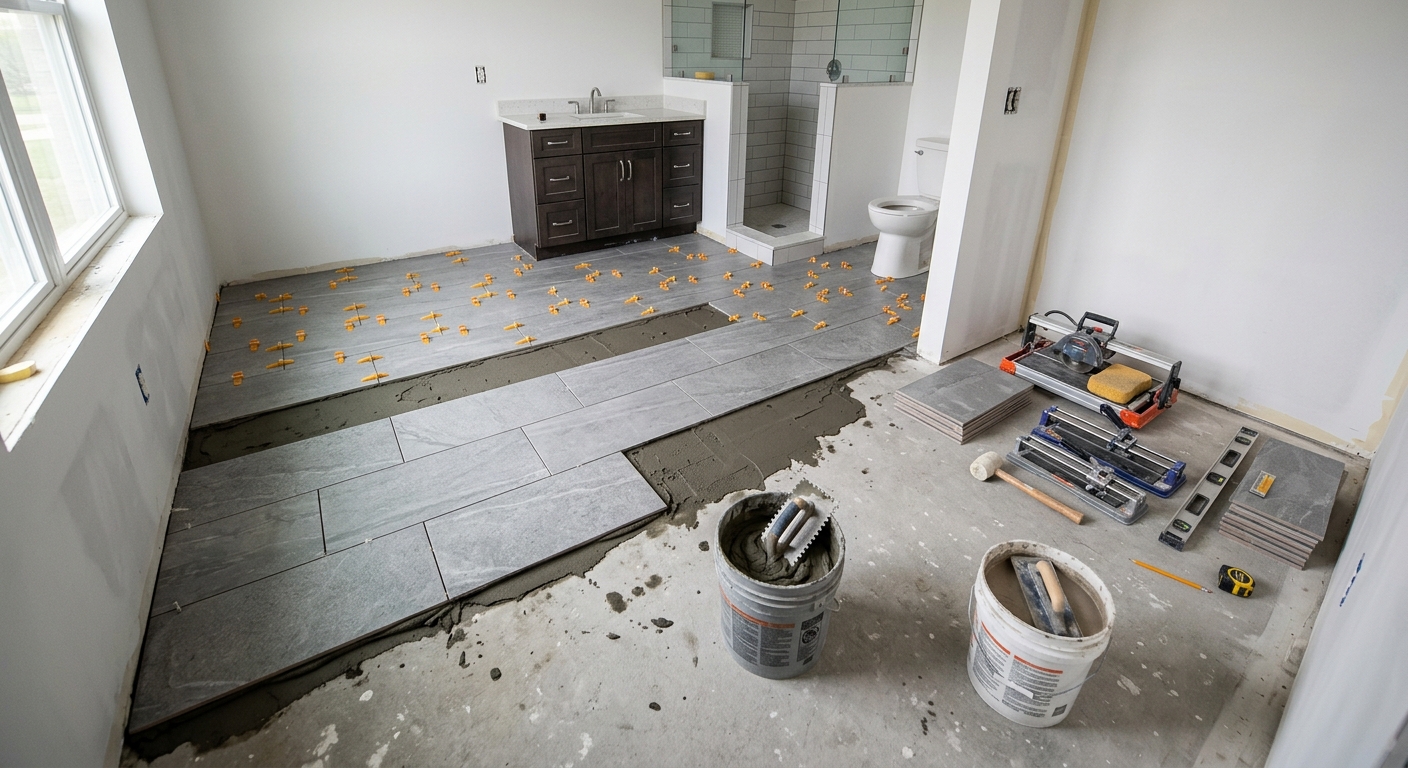
Bathroom renovation options and costs in Victoria
Bathroom renovation in Victoria, British Columbia ranges from simple refreshes to full rebuilds, and the right option depends on how much you’re changing behind the walls. In Victoria, many homes were built before 1981—Statistics Canada reports 63.6% of local dwellings in the area were built prior to then—so it’s common to encounter dated drain routes, aging vents, and older electrical layouts once walls are opened. That older housing stock is why the same bathroom can land far apart in price: you might budget for a $10,000–$35,000 full renovation band, then discover scope expands due to plumbing upgrades or ventilation corrections.
On Vancouver Island and the Coast, the climate is relatively forgiving compared with harsher inland regions, but it still influences bathroom performance requirements. Better ventilation, correct waterproofing, and moisture-tolerant detailing matter because bathrooms run frequently in cool, damp seasons. Labour and availability are also significant drivers here: on southern Vancouver Island, general contractors commonly bill around $80–$120 per hour, while plumbers and electricians often run $100–$150 per hour, so labour becomes a major share of the total.
In practice, that means neighbourhoods such as Oak Bay and Fairfield tend to stay busy for full renovations due to older housing, higher finish expectations, and frequent upgrades to tile, shower systems, and electrical. If you’re deciding between options, the table below lays out typical inclusions, timelines, and price bands for Victoria projects.
| Renovation Scope |
What's Included |
Typical Duration |
Price Range |
| Cosmetic refresh (paint, fixtures, accessories only) |
Paint, replace vanity top or vanity, taps/faucets, mirror, lighting refresh (no major rewiring), toilet accessory changes, grab bars/accessories, minor caulking |
2–5 days |
$2,000–$6,000 |
| Mid-range full renovation (new tile, vanity, tub/shower, electrical) |
Demo and disposal, waterproofing, floor + wall tile, new vanity and toilet, tub-to-shower conversion or new tub/shower unit, exhaust fan upgrade, GFCI outlets as required, basic lighting updates |
2–3 weeks |
$12,000–$24,000 |
| High-end full renovation (custom tile, steam shower, heated floors) |
Premium waterproofing system, custom steam shower build, large-format tile layouts, heated floors (dedicated circuit), high-end fixtures and trim, expanded electrical (fan/lighting/controls), designer glass |
3–6 weeks |
$25,000–$45,000 |
| Shower-only installation (convert tub to walk-in shower) |
Demo tub, new shower base/pan or tiled shower, waterproofing, new valve/trim, new glass screen or door, tile surround, exhaust fan check/upgrade as needed |
7–16 days |
$6,000–$15,000 |
| Bathtub replacement or tub-liner install |
Remove existing tub, install new acrylic tub or tub-liner system, new trim/caulk, re-tile limited areas around unit, plumbing touch-ups |
5–10 days |
$1,500–$7,000 |
| Tile-only installation (floor + surround, existing layout kept) |
Tile removal and replacement where needed, new waterproofing prep and membrane as required by system, floor + shower surround tile, grout/caulk, limited trim/finishing, no major plumbing relocation |
1–2 weeks |
$2,500–$10,000 |
Prices are estimates only and vary by project scope, site access and material selection.
What affects the price of bathroom renovation in Victoria
Bathroom renovation quotes in Victoria can swing by 30–50% even when homeowners describe the same “new shower and tile” goal. The big reason is that Vancouver Island and Coast pricing is driven more by labour rates and the age of the housing stock than by the mild maritime climate itself. In older Victoria homes—63.6% of dwellings built before 1981—legacy plumbing and drainage routes are often less straightforward, which adds rough-in work and time once walls are opened. You may see older galvanized supply lines, dated venting, or cast-iron drain components that need upgrades to meet current performance expectations.
Different contractors price labour differently because their crews are scheduled based on availability, and because uncovering hidden conditions can trigger extra trades. For example, if an inspection reveals asbestos-containing materials in older floor tile, drywall compound, or insulation, professional abatement may be required. In those cases, homeowners commonly see budget increases in the $1,500–$5,000+ range for remediation and associated labour/time, which can push a project within the $10,000–$35,000 full-renovation band toward the upper end.
Concrete examples from Victoria: (1) switching from a basic bathtub to a walk-in shower usually adds waterproofing complexity and glass hardware, which is why shower installations often land in the $4,000–$15,000 range; (2) large-format porcelain installed over uneven subfloors may require extra underlayment and prep; and (3) adding an exhaust fan when ventilation is inadequate can require additional electrical work, which is a cost multiplier on an older electrical layout.
| Price Factor |
Why It Matters |
Cost Impact |
| Layout change — moving drain or supply lines |
Relocating plumbing means wall/floor opening, rough-in, and new waterproofing tie-ins. |
$2,000–$8,000 |
| Tile selection — large-format porcelain vs. mosaic vs. ceramic |
Harder materials require tighter prep and more skilled installation to avoid lippage/cracking. |
$1,500–$6,500 |
| Fixture tier — builder-grade vs. mid-range vs. designer brands |
Higher-end valves/trim, specialty sinks, and upgraded glass/hardware cost more and may need niche parts. |
$800–$5,000+ |
| Subfloor condition — rot or unlevel concrete adds scope |
Any softness or unevenness demands repairs, new backer/underlayment, and extra labour time. |
$1,000–$7,000 |
| Electrical — adding GFCI outlets, exhaust fan, heated floor circuit |
Older panels, undersized wiring, and new circuits raise both parts and licensed labour time. |
$700–$4,500 |
| Waterproofing method — membrane type and extent |
Correct system selection and coverage affects longevity and mould risk in BC bathrooms. |
$500–$4,000 |
| Older-home surprises — asbestos tile, cast-iron drains, galvanized pipes |
Hidden conditions can trigger abatement, drain replacement, and extra rough-in work. |
$1,500–$15,000+ |
| Bathroom size — sq ft drives tile and labour time directly |
More area means more tile, more prep, more waterproofing, and longer installation time. |
$1,000–$8,000 |
Permits & regulations in British Columbia
In British Columbia, not every bathroom change requires a permit, but the moment you alter plumbing routes, ventilation wiring, or structural elements, permitting and inspections typically enter the picture. Cosmetic updates—like swapping a vanity, replacing a toilet, changing faucets/trim, repainting, or retiling in the same footprint—often do not require a permit because they don’t involve rough-in plumbing or structural changes.
Work that commonly does require a permit includes: relocating plumbing (moving a drain or supply line), changing the exhaust fan with new electrical work, adding or altering wet-area wiring such as lighting tied into a bathroom circuit, and any structural wall changes that affect framing. Electrical must be done to BC requirements and performed by (or signed off by) a licensed electrician for safety and compliance. Plumbing rough-in changes typically require permitting and inspections before walls are closed.
To verify a contractor in Victoria, start with three checks: (1) confirm their British Columbia trade licence (use the online registry relevant to their trade category), (2) request a current certificate of insurance showing liability coverage, and (3) confirm worker coverage through WCB/clearance documentation for their employees. Ask for documents before work begins, not after demolition. Then cross-check that the quote clearly states whether permits and inspections are included, and whether any exclusions (like asbestos testing or electrical panel upgrades) are handled as change orders.
Choosing tile, waterproofing and fixtures for your Victoria bathroom
Three material decisions usually shape a Victoria bathroom renovation budget more than homeowners expect: tile choice, waterproofing system, and fixture tier. First, tile: ceramic is a good entry-level option for many wall applications, but porcelain is often a stronger long-term pick for floors because it’s denser and handles moisture better. Natural stone (marble, travertine, slate) can look stunning, yet it’s more sensitive to installation technique and sealing routines; it also tends to cost more in both materials and skilled labour.
Second, waterproofing: the Vancouver Island climate is mild, but bathroom humidity still accumulates, especially in homes with older ventilation. A paint-on membrane can work in limited scenarios, but a proper bonded sheet membrane or a reliable system approach (commonly including products like Schluter-compatible assemblies) typically provides more assurance when detailing corners, niches, and transitions. The goal is simple: prevent moisture intrusion that leads to mould and substrate damage.
Third, fixtures: builder-grade versions reduce upfront cost, but mid-range valves, shower trim, and quality thermostatic components often improve day-to-day reliability and resale appeal. If you’re targeting longevity, spending for a better shower valve and correct tile layout can be worth more than upgrading every accessory.
A practical example: upgrading to porcelain tile can add around a few thousand dollars compared with basic ceramic, but the savings show up later through fewer replacement concerns—especially for floors in high-moisture zones. Pair that with a tested waterproofing system and you’re reducing the likelihood of rework that would otherwise undo your labour investment.
| Material / Option |
Pros |
Cons |
Price Range |
| Ceramic tile (floor + walls) |
Affordable, widely available colours/sizes, suitable for most walls and some floors |
Typically less durable than porcelain for floors; more attention needed for slip resistance |
$2,500–$6,500 |
| Porcelain tile (floor + walls) |
Higher density, better moisture performance, more consistent sizing for clean layouts |
More expensive tile; requires careful prep and skilled cutting for large formats |
$4,000–$10,000 |
| Natural stone (marble, travertine, slate) |
Luxury look, unique veining/texture, good for feature walls or premium bathrooms |
Sealing/maintenance needed; can cost more and be unforgiving if waterproofing isn’t done right |
$6,500–$16,000 |
| Frameless glass shower enclosure |
Modern appearance, easier cleaning, maximizes light in smaller bathrooms |
Higher hardware cost; needs accurate framing and waterproofing detailing |
$2,000–$6,500 |
| Prefab tub surround (acrylic) |
Fast install, consistent waterproofing, lower labour than full tile surrounds |
Less “design flexibility”; transitions must be done neatly to avoid moisture issues |
$1,200–$3,500 |
| Custom shower pan (tile or linear drain) |
Perfect drainage slope, sleek linear-drain look, supports fully custom layouts |
More skilled labour and waterproofing; small slope errors can cause problems |
$3,500–$12,000 |
How to choose a bathroom renovation contractor in Victoria
When you’re hiring a bathroom renovation contractor in Victoria, verify licensing, liability insurance, and WCB coverage in a way you can document. Start with their British Columbia trade licence for the type of work they’re doing—plumbing/electrical work should be backed by the appropriate licensed trades. Ask for a certificate of liability insurance (showing coverage amount and effective dates). For employee coverage, request WCB/clearance documentation where applicable so you know you’re not exposed to payroll or worker-related obligations.
Next, get 2–3 itemised written quotes. Insist on labour and materials breakdowns rather than a single lump sum, especially around demolition, waterproofing system, tile setting, glass, and electrical/plumbing rough-in. Read the scope line-by-line: confirm what’s included for permit pull, inspections, and disposal. Make sure the quote addresses waterproofing method and coverage area, and whether any surprises (like asbestos-related testing/abatement) will be treated as change orders.
Warranty matters in bathrooms because failure is often hidden behind walls. Ask about workmanship warranty length and whether product/manufacturer warranties apply to components installed by them. Confirm if the warranty is transferable if you sell. For payment, avoid large upfront deposits—keep it to roughly 10–15% or less—and use a holdback until the job is complete and all walk-through items are resolved. Finally, demand a start date and a completion estimate in writing so you can plan around trades and materials lead times.
- Provide BC trade licence details for each trade involved, not just the general contractor name.
- Show current liability insurance with adequate coverage limits.
- Confirm WCB/clearance documentation for workers (ask for proof before site work).
- Use a detailed, itemised quote (tile labour, setting materials, waterproofing products, fixtures, glass, disposal).
- Clarify what’s included in permits and inspections (and who pays for them).
- Confirm waterproofing approach and coverage (including niche/curb/corner detailing).
- Specify tile installation method and expected grout/caulk lines at changes of plane.
- List the disposal and dump fees—many estimates understate these for older Victoria homes.
- Include a demolition-to-framing allowance if hidden conditions are discovered.
- Ask for a workmanship warranty length (and what voids it).
- Review the payment schedule; plan to hold back until final checklist sign-off.
- Get a written start date, estimated duration, and contingency plan for material lead times.
Red flags I commonly see in Victoria: (1) quotes that don’t describe waterproofing method or don’t specify the membrane system; (2) “lump sum” pricing with no exclusions for permits, disposal, or electrical/plumbing changes; (3) refusal to provide insurance/licence proof; (4) schedules that start immediately without confirming site access and demo readiness; and (5) warranties that are vague or limited to materials only, not workmanship.
Frequently asked questions — bathroom renovation in Victoria
Do I need waterproofing behind the tile?
In Victoria and across British Columbia, you should assume waterproofing is required behind tile in wet areas—especially on shower walls, shower floors, and tub surrounds where water can reach the substrate. If your contractor is proposing tile without a membrane system or proper waterproofing strategy, that’s a major risk. Even in a mild maritime climate, bathrooms still experience repeated humidity and splashing, and older Victoria homes (63.6% built before 1981) often have framing or substrate conditions that need careful protection once the walls are opened. The best practice is to use the correct waterproofing method for the build (paint-on, bonded sheet, or an engineered system) and detail transitions to prevent moisture intrusion. That’s one of the most important cost-to-longevity decisions in a renovation.
How do I compare bathroom renovation quotes?
To compare quotes in Victoria, don’t just look at the total price. Instead, line up the scope item-by-item: demolition and disposal, waterproofing products and coverage, tile labour (including prep and any backer/underlayment), fixture inclusions, exhaust fan work, and electrical/plumbing rough-in. Ask whether the quote includes permits and inspections if plumbing is relocated or new wiring is added. Labour rates on Vancouver Island can vary, so one contractor may appear cheaper while carrying less allowance for older-home surprises. In many cases, full renovations fall within the $10,000–$35,000 band, but what moves the number is usually waterproofing details, electrical scope, and how hidden conditions like dated venting or galvanized supply lines are handled. Itemised quotes make those differences visible.
Can I live at home during a bathroom renovation in Victoria?
Often yes, but it depends on the scope and your bathroom layout. For cosmetic refreshes—like painting and fixture swaps—many homeowners stay in the home because the work is contained and typically fast. For mid-range or high-end full renovations, plan for a period where the bathroom is out of service, because demo, rough-in, waterproofing cure times, and tile finishing interrupt daily use. If you’re doing a shower-only install, you may be able to maintain a toilet and limited wash routine elsewhere, but the shower area will be inaccessible during core phases. In Victoria’s older homes, lead times for tile and glass can extend the “no-shower” window. If you’re expecting a project near the $12,000–$24,000 range for a full renovation, schedule an alternative bathing plan and consider protecting floors and ventilation during dust-heavy work.
What's the best bathtub material for a Victoria home?
For most Victoria homes, acrylic tubs are a practical choice because they’re relatively light, install efficiently, and keep installation costs predictable. If your goal is longevity, the right installation matters as much as the material—proper waterproofing, correct sealants, and solid support beneath the tub prevent movement and leaks. If you’re working around an existing tub surround, a tub-liner system can be a cost-effective way to refresh without full demolition, often landing in the $1,500–$7,000 range depending on what’s being replaced and how much re-tiling is needed. That said, older Victorian layouts sometimes have dated plumbing connections; if supply/drain updates are required, the “best” material becomes the one that allows a clean, compliant install with minimal rework. Ask your contractor to explain the framing and sealing plan before choosing.
Is it worth renovating a bathroom before selling in Victoria?
In many Victoria neighbourhoods, a bathroom refresh can improve buyer confidence, but the return depends on what you change. Cosmetic work like painting, updated lighting, and fixture replacement can modernize the space without the risk and disruption of full demolition. A more involved renovation can be worth it when your current bathroom shows clear functional issues—poor ventilation, recurring moisture, or outdated plumbing/parts. However, if your home already has serious underlying problems (common in older stock built before 1981), a well-done renovation is usually about fixing those risks, not just aesthetics. Budget expectations also matter: full renovations commonly land between $10,000–$35,000 in Victoria, and high-end upgrades can push above that. The best strategy is to renovate to the “buyer standard” for cleanliness, waterproofing, and reliable fixtures, and avoid over-customizing beyond your likely market.
How do I plan a bathroom renovation on a tight budget in Victoria?
Start by protecting the biggest long-term risk areas: waterproofing and ventilation. Even on a tight budget, don’t cut corners behind tile or skip an exhaust fan check—bathrooms in Victoria’s climate need moisture control, especially in older homes where ventilation may already be inadequate. Next, simplify the scope: keep the layout if possible so you’re not paying for drain/supply relocations, which often drive costs quickly. Choose mid-range fixtures where function matters (valves, fan, reliable toilet, good shower trim), but consider keeping some existing elements that are still in good condition. If you want a budget-friendly path, a tile-only project or a shower-only conversion can be more targeted than a full renovation; shower installations are often in the $4,000–$15,000 range, while tile-only work can start around $2,500. Finally, ask contractors for change-order rules in writing so surprises—like asbestos-related remediation—are handled clearly.