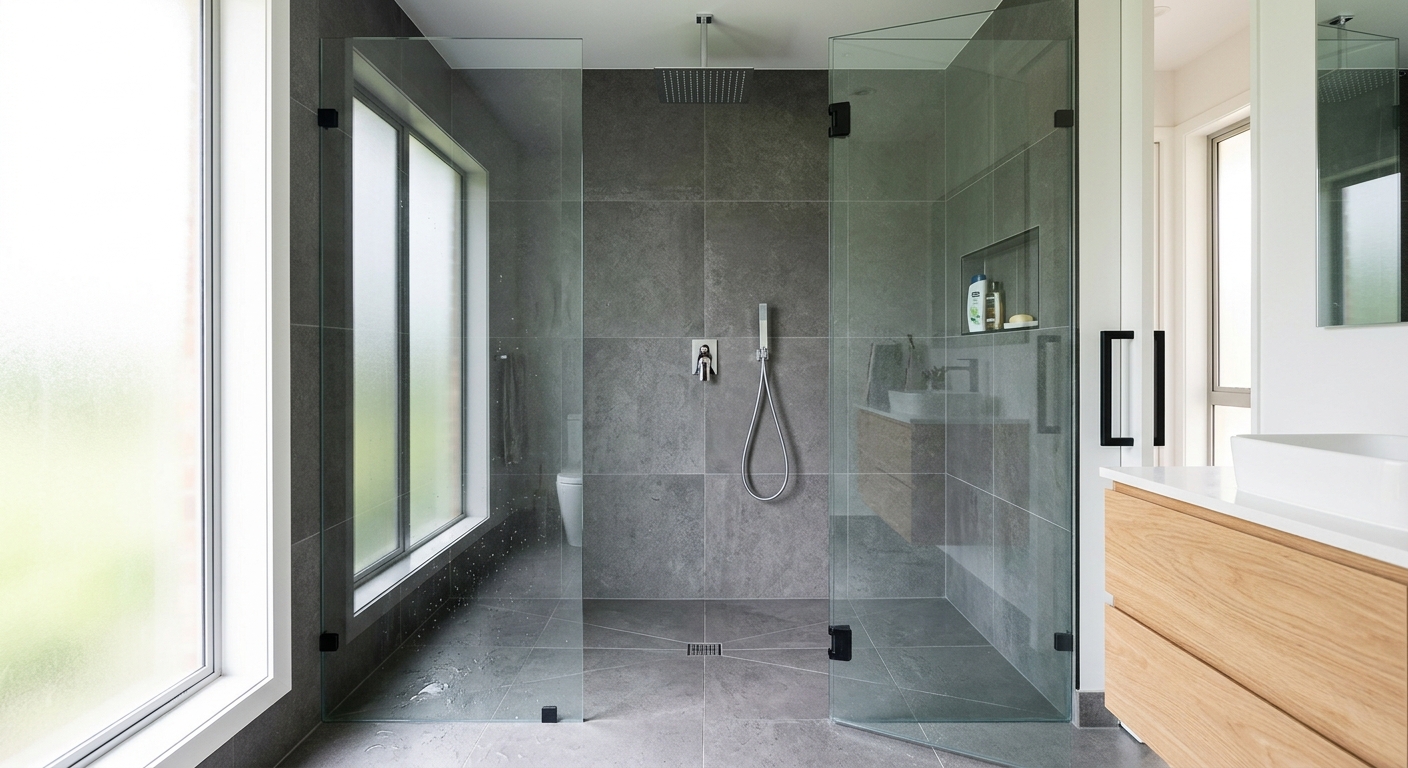
Bathroom renovation options and costs in Lions Gate
Lions Gate homeowners often start their bathroom plan with a simple question: “What will it cost?” The short answer is that the same bathroom can land in very different price bands depending on how much of the plumbing, electrical, and waterproofing system you keep versus replace. Lions Gate is a small community—2,660 people (Statistics Canada, 2021 Census)—and that can mean fewer local trade crews available for tight scheduling. At the same time, the Lower Mainland–Southwest area has a lot of older housing stock, including mid-century homes where dated bathroom layouts are common; in these settings, renovators frequently discover cast-iron or galvanized components once walls open, plus the possibility of asbestos-containing materials in older finishes. This is why budgets often move from “fixture upgrades” into “bring systems up to current British Columbia code.”
Market conditions also shape pricing. Labour rates and the age of local housing stock are the main cost drivers in the Lower Mainland–Southwest region, and that typically pushes full renovations higher than what people see in other provinces. Projects near high-demand shoreline corridors and the North Shore side of Lions Gate (where access can be tight and schedules are competitive) often require more coordination between plumbers, electricians, and tilers. A careful site inspection helps identify scope early—especially plumbing/venting updates and waterproofing coverage—so your final quote reflects the real work instead of surprises. Use the options below as a practical starting point, then compare quotes side-by-side in the table.
| Renovation Scope |
What's Included |
Typical Duration |
Price Range |
| Cosmetic refresh (paint, fixtures, accessories only) |
New vanity or toilet (no plumbing move), faucet swap, fresh paint, accessory updates, re-caulk, basic deep clean |
3–7 days |
$6,000–$12,000 |
| Mid-range full renovation (new tile, vanity, tub/shower, electrical) |
Demo and disposal, new vanity, new tub/shower or surround, tile floor + walls, exhaust fan upgrade, GFCI where required, waterproofing to shower zone |
2–4 weeks |
$18,000–$32,000 |
| High-end full renovation (custom tile, steam shower, heated floors) |
Premium tile installation, custom shower system, heated floors, upgraded electrical plan, higher-end fixtures, extended waterproofing and drainage details |
4–7 weeks |
$32,000–$45,000 |
| Shower-only installation (convert tub to walk-in shower) |
Remove tub, install walk-in shower pan and glass option, tile work, valve and shower trim replacement, waterproofing and drain adjustments |
2–3 weeks |
$12,000–$25,000 |
| Bathtub replacement or tub-liner install |
Swap tub with new unit and re-tile/service transitions; or liner install where appropriate, re-caulk and reseal, restore wall finishes |
5–12 days |
$1,500–$6,000 |
| Tile-only installation (floor + surround, existing layout kept) |
Remove existing tile where needed, install tile floor and shower/bath surround, set and grout, waterproofing system for tiled wet areas (to spec) |
1–3 weeks |
$4,000–$8,000 |
Prices are estimates only and vary by project scope, site access and material selection.
What affects the price of bathroom renovation in Lions Gate
In the Lower Mainland–Southwest region, quotes for the “same” bathroom can swing by 30–50% because labour rates are higher and because older homes typically require more hidden upgrades once trades open up walls and floors. Climate plays a role in moisture management, but here the market reality is that housing age and the complexity of trade coordination drive cost more than weather. When you see a $18,000–$45,000 full renovation band locally, a big part of that spread is what happens after demo: plumbing and venting upgrades, bringing electrical to current safety expectations, and adding the right waterproofing system so tiled surfaces don’t fail in a humid coastal environment.
Older Lions Gate homes often hide cast-iron drain runs, galvanized supply lines, or outdated bath ventilation setups. Any one of these can expand scope quickly. For example, replacing aging drains and adding proper venting can add labour and materials beyond a surface refresh, and it’s common to see an “electrical-only” request become a full exhaust fan and GFCI plan once the current bathroom wiring is inspected. In pre-1985 homes, discovery of asbestos in vinyl floor tile or drywall compound can trigger abatement protocols; that remediation commonly adds $1,500–$5,000+ depending on affected area and how the material is sealed and removed.
Concrete examples from recent Lower Mainland–Southwest renos: (1) switching from ceramic to large-format porcelain can increase tile setting time because of flatness requirements and cut complexity; (2) if your subfloor is soft or unlevel, you may need additional prep board or patching before tile and waterproofing can be trusted. The takeaway is simple: a scoped, inspection-led quote usually lands closer to your target—whether you’re aiming for a mid-range full renovation around the $18,000–$32,000 range or a higher-end build closer to $32,000–$45,000.
| Price Factor |
Why It Matters |
Cost Impact |
| Layout change — moving drain or supply lines |
Rough-in work adds demolition, new pipe routing, and inspection steps |
Can add $3,000–$10,000 depending on distance and wall access |
| Tile selection — large-format porcelain vs. mosaic vs. ceramic |
Harder materials require more labour for cutting, setting, and achieving a flat plane |
Typically +$1,000–$6,000 over lower-tier tile installs |
| Fixture tier — builder-grade vs. mid-range vs. designer brands |
Premium trims, valves, and finishes cost more and can require more install time |
Often +$500–$4,500 across a full bathroom |
| Subfloor condition — rot or unlevel concrete adds scope |
Prep is mandatory for tile longevity; repairs are not optional when floors move |
Commonly +$800–$3,500 |
| Electrical — adding GFCI outlets, exhaust fan, heated floor circuit |
More devices means more wiring, testing, and licensed electrical involvement |
Often +$1,200–$4,000 |
| Waterproofing method — membrane type and extent |
Proper wet-area coverage reduces mould and failed tile assemblies in a coastal climate |
Usually +$600–$2,500 depending on system and coverage |
| Older-home surprises — asbestos tile, cast-iron drains, galvanized pipes |
Discovery changes the schedule and requires remediation and/or material replacement |
Can add $1,500–$15,000+ depending on what’s found |
| Bathroom size — sq ft drives tile and labour time directly |
More area increases setting time, thinset/grout use, and waterproofing coverage |
Smaller bathrooms may stay near $18,000; larger ones push toward upper bands |
Permits & regulations in British Columbia
In British Columbia, cosmetic bathroom updates—like swapping a vanity, replacing a toilet, painting, or retiling without changing the layout—typically do not require a permit because you’re not altering plumbing routes, electrical circuits, or structural elements. However, in Lions Gate renos, the work that most often triggers a permit is the work that changes systems: relocating plumbing (moving a drain or water supply), adding new or upgraded exhaust fans that require new circuit work, modifying electrical circuits, or making structural changes (for example, cutting framing for a new rough-in). Electrical work must meet provincial safety requirements and be performed by a licensed electrician (or signed off by one). Plumbing rough-in changes generally require a permit and inspection before walls are closed.
To verify a contractor in Lions Gate step-by-step, I recommend: (1) request their BC trade licence information and proof they’re authorized for the specific work; (2) ask for a certificate of insurance showing liability coverage for your address; (3) confirm their coverage status with their worker protection/coverage documentation (commonly referred to as WSIB/WCB coverage) so you’re not left holding risk; and (4) match their permit responsibilities in writing—who pulls the permit, and when inspections are booked. You can usually verify licensing details through the relevant online registry, then cross-check the licence number against the certificate of insurance and the job plan. If they can’t provide clear documentation before starting, that’s a sign to pause.
Choosing tile, waterproofing and fixtures for your Lions Gate bathroom
In Lions Gate, your budget is usually decided by three material decisions: tile, waterproofing, and fixture tier. First, tile choice drives both material cost and installation complexity. Ceramic is a solid entry-level option for floors and surrounds, but if you’re aiming for a more premium look, porcelain generally offers better durability and stain resistance—at the cost of extra labour because porcelain’s hardness and size demand careful subfloor preparation and more precise cuts. Natural stone (marble, travertine, slate) looks high-end, but sealing and installation tolerances can add labour and maintenance considerations.
Second, waterproofing is what protects your reno from British Columbia’s wet-season humidity and frequent bathroom steam. A paint-on membrane may work for certain scenarios, but tiled wet areas typically perform best with a full waterproofing assembly—either a bonded sheet membrane or a well-detailed system using compatible boards and membranes. This is also where corners, niches, and transitions matter: a correctly applied membrane around the shower zone prevents mould and efflorescence that can show up after the first winter.
Third, fixture tier affects both your monthly “value” and resale appeal. Builder-grade fixtures can keep you near a more predictable range, while mid-range and designer brands often justify the jump when you’re also upgrading valves, shower trims, and ventilation hardware.
Example: if you’re comparing a mid-range full renovation around $18,000–$32,000 versus a higher-end approach near $32,000–$45,000, the price difference is often justified when custom shower detailing, heated floors, and premium tile selections are paired with a robust waterproofing system—not just when the glass or hardware is upgraded.
| Material / Option |
Pros |
Cons |
Price Range |
| Ceramic tile (floor + walls) |
Reliable, generally more affordable, wide selection of colours and styles |
May chip more easily than porcelain; requires good prep for flatness |
$2,000–$4,500 |
| Porcelain tile (floor + walls) |
Denser and more durable; better for long-term wear in wet areas |
Harder to cut; larger formats need a very level substrate |
$3,500–$7,000 |
| Natural stone (marble, travertine, slate) |
Luxury look; excellent for feature walls and upscale finishes |
Sealing/maintenance; premium install skill needed to control finish consistency |
$5,000–$9,000 |
| Frameless glass shower enclosure |
Bright, modern appearance; helps the bathroom feel larger |
Hardware and custom measuring increase cost; needs careful waterproof detailing |
$2,000–$6,000 |
| Prefab tub surround (acrylic) |
Fast install; fewer tile lines in the wet zone; easier to maintain |
Less custom look than full tile; seam detailing matters for longevity |
$1,500–$3,500 |
| Custom shower pan (tile or linear drain) |
Best waterproofing detailing; excellent for a true barrier-free walk-in |
More labour and specialty detailing; requires correct slopes and drain setup |
$4,000–$12,000 |
How to choose a bathroom renovation contractor in Lions Gate
Choosing the right contractor in Lions Gate comes down to verification, clarity, and risk control. Start by verifying British Columbia licensing for the trades involved (especially for electrical and any plumbing rough-in changes). Next, request proof of liability insurance and check the certificate details match your job location and coverage dates. For worker protection coverage, ask for documentation showing WSIB/WCB coverage so that work is properly covered if a worker is injured on-site.
Then get 2–3 itemised written quotes instead of one lump-sum number. The best quotes separate labour from materials and list key scopes like demo/disposal, waterproofing method, tile prep, exhaust fan supply and install, and what electrical or plumbing rough-in is included. Read exclusions line-by-line: is permit pulling included, who coordinates inspections, what happens if a subfloor repair becomes necessary, and is disposal hauled away by the contractor or left for you? Also ask for warranty terms: a workmanship warranty (often 1–2 years, sometimes longer by contractor), plus the product/manufacturer warranty details for the shower system, tile installation materials, and fixtures. Confirm whether warranties are transferable if you sell the home.
For payments, never pay the bulk upfront. A healthy schedule typically keeps upfront at about 10–15%, with the rest tied to milestones. Finally, insist on your timeline in writing: a start date, rough completion estimate, and how the contractor handles lead times for glass, tile, and special-order fixtures.
- Provide BC licence information relevant to the exact work being quoted (electrical/plumbing/tiling scope).
- Include a current certificate of liability insurance for your address.
- Confirm WSIB/WCB coverage documents for workers on the job.
- Use itemised quotes: labour, materials, and allowances clearly separated.
- State who pulls permits and schedules inspections for any required work.
- List disposal, dumpster fees, and hauling responsibilities explicitly.
- Specify the waterproofing system type and coverage (wet-area boundaries, seams, and corners).
- Confirm tile prep requirements (leveling/underlayment) and who pays if subfloor remediation is needed.
- Provide fixture model numbers or clearly defined product lines with allowances.
- Include start date, target completion, and a plan for long-lead items (glass/heated floors).
- Detail payment schedule by milestone; limit upfront to about 10–15%.
- Explain what the warranty covers and whether it’s transferable upon resale.
Red flags I commonly see with bathroom contractors in Lions Gate: vague scopes that don’t mention waterproofing details, quotes that exclude permit pulling while assuming “you’ll figure it out,” insisting on large deposits beyond 10–15% without milestones, no proof of insurance/licensing for the trades involved, and avoiding in-person jobsite assessment before finalizing the price.
Frequently asked questions — bathroom renovation in Lions Gate
Is it worth renovating a bathroom before selling in Lions Gate?
In many Lions Gate homes, a bathroom upgrade can be worth it—especially if your reno addresses visible issues (water damage staining, tired finishes, weak ventilation) and functional upgrades (safer electrical, modern exhaust). Because the Lower Mainland–Southwest region often has older housing layouts, buyers are usually more sensitive to whether plumbing, venting, and waterproofing were done correctly rather than just whether fixtures look new. If you’re considering a refresh, keep expectations realistic: a cosmetic-only approach (paint/fixtures/accessories) is typically far less expensive than a full renovation, but it won’t solve underlying problems. If you’re planning a full bathroom renovation, typical local pricing often starts around the $18,000–$32,000 mid-range band and can go higher depending on tile complexity and plumbing/venting scope. The best return usually comes from a well-detailed waterproofing system and a clean, bright layout that feels current.
How do I plan a bathroom renovation on a tight budget in Lions Gate?
With a tight budget, the goal is to reduce “scope creep” without compromising the parts that keep tile assemblies from failing. In Lions Gate, I suggest you lock the layout first—avoid moving drains/supplies unless absolutely necessary—because layout changes are one of the biggest drivers of cost. Next, choose a tile tier that balances look and durability (porcelain can be a smart middle choice). Then, allocate budget to waterproofing and ventilation, not to purely cosmetic extras. Even a more economical full renovation can land in the $18,000–$32,000 range when you keep plumbing in place and use a straightforward shower/tub plan, but you still need correct membrane coverage for British Columbia’s humid bathroom conditions. Finally, ask for contingencies in writing and have the contractor inspect for older-home risks (cast-iron drains, galvanized supplies, and the possibility of asbestos in older finishes) before demolition starts.
What's the difference between a cosmetic and a full bathroom renovation?
A cosmetic bathroom renovation generally focuses on surfaces and fixtures without changing the underlying systems. In British Columbia, that usually means things like painting, replacing a vanity or toilet, updating the faucet/trim, re-caulking, and sometimes retiling where plumbing and electrical aren’t relocated. A full bathroom renovation includes demolition and usually touches the systems that matter for longevity: shower/tub waterproofing, tile assembly, electrical upgrades like GFCI and exhaust fan work, and plumbing/venting updates if the layout or components require it. In Lions Gate and the Lower Mainland–Southwest, full renovations often cost more because older homes can hide issues once walls and floors open—like cast-iron drains or outdated wiring—and bringing those up to current code expands scope. As a planning reference, cosmetic refreshes are typically far below full renos, while full bathroom renovations commonly fall into the $18,000–$45,000 local band depending on tile and system upgrades.
How do I choose the right contractor for my bathroom in Lions Gate?
Start with verification and documentation. Ask for British Columbia trade licensing relevant to their scope, proof of liability insurance, and documentation of WSIB/WCB coverage for workers. Then request 2–3 itemised written quotes so you can compare apples to apples: labour vs materials, allowances, disposal, and exactly what waterproofing method is being used. In Lions Gate bathrooms, clarity on permit pulling is important—anything involving plumbing rough-in changes, new exhaust fan circuitry, or electrical circuit modifications should be handled with the right permits and licensed trades. Read the warranty details too: workmanship coverage and whether product/manufacturer warranties are valid for the fixtures you choose. Finally, insist on a realistic timeline in writing and a payment schedule that keeps upfront around 10–15%, with holdback tied to completion milestones.
What's the most common mistake homeowners make in bathroom renovations?
The most common mistake I see in Lions Gate is treating a bathroom like a “surface makeover” when the real problems are hidden behind walls and subfloors. Homeowners often budget for tile and fixtures but don’t allow for waterproofing, ventilation upgrades, or plumbing/venting corrections that become necessary once demo starts—especially in older homes typical in the Lower Mainland–Southwest. Another frequent issue is choosing a waterproofing approach without aligning it to the shower/tub system and the actual substrate condition; that’s where mould and grout failure can show up during British Columbia’s wet seasons. Lastly, many people compare quotes that aren’t itemised, then get surprised by change orders. If one quote includes robust membrane coverage and proper prep while another relies on minimal waterproofing detail, their “low price” won’t hold after discovery of issues like unlevel floors or older drain components.
How long does tile installation take in a Lions Gate bathroom?
In Lions Gate, tile installation time depends mainly on bathroom size, the complexity of the layout, and how well-prepared the substrate is. For a typical floor + shower surround job with correct prep and standard curing/setting requirements, you’ll often see tile work scheduled for about 1–3 weeks as part of a larger reno timeline. Larger-format tile, intricate niches, or a custom linear drain shower usually increases layout and cut time, and unlevel subfloors can add prep days. Importantly, the waterproofing system schedule can affect the overall calendar—membrane curing times and inspection steps need to be respected so the assembly doesn’t fail. If your full renovation is targeting the $18,000–$32,000 mid-range band, tile is usually a significant portion of that schedule. A contractor who rushes waterproofing and drying is the one you should be cautious about in British Columbia’s humid bathroom environment.