Bathroom renovation options and costs in Heritage Mountain
Bathroom renovations in Heritage Mountain are shaped by local housing realities and the Lower Mainland–Southwest renovation market. Heritage Mountain has a population of 4,664 (Statistics Canada, 2021 Census), and the area’s housing mix means many projects are in older mid-century homes where dated plumbing layouts and subfloor conditions are common. In pre-1980 houses, it’s not unusual to uncover cast-iron or galvanized drainage, aging copper supply lines, and sometimes asbestos-containing materials in older floor tile or drywall compound. When those issues surface after walls and floors are opened, the scope often expands quickly.
In the Lower Mainland–Southwest, labour rates and skilled-trade availability are a major cost driver, especially for plumbing, tiling and electrical work that bathrooms require in a compact space. Even modest rooms carry high per-square-foot pricing because multiple trades coordinate for waterproofing, rough-in, and finish work. At the same time, this region’s strong demand means scheduling can be tight—particularly around neighbourhoods where renovation activity is concentrated, such as the Heritage Mountain / Port Moody–area growth corridor where homeowners commonly update older ensuite baths and main-floor bathrooms.
Below are typical options and budget bands you can use as a baseline before we investigate existing plumbing, ventilation, and any hidden remediation needs. Use this table to transition into apples-to-apples comparisons with your contractor.
| Renovation Scope |
What's Included |
Typical Duration |
Price Range |
| Cosmetic refresh (paint, fixtures, accessories only) |
New vanity top or vanity, taps, toilet swap, lighting refresh, paint, recaulk, access to surfaces without removing tile floors/walls |
3–7 days |
$3,500–$10,000 |
| Mid-range full renovation (new tile, vanity, tub/shower, electrical) |
Demo and rebuild, new porcelain/ceramic tile floor + shower surround, new vanity, tub/shower or alcove shower conversion prep, exhaust fan (ducted where needed), upgraded GFCI outlets |
2–4 weeks |
$18,000–$33,000 |
| High-end full renovation (custom tile, steam shower, heated floors) |
Custom layout refinements, premium waterproofing system, heated floors, designer fixtures, frameless glass, niche(s), upgraded ventilation, specialty plumbing trims |
4–7 weeks |
$33,000–$45,000 |
| Shower-only installation (convert tub to walk-in shower) |
Remove tub, new shower base/pan system, tile surround, new controls/valves, glass or curtain option, ventilation check, updated drain slope where required |
2–3 weeks |
$8,000–$25,000 |
| Bathtub replacement or tub-liner install |
Remove and set new alcove tub OR install a tub liner system, new surround updates as needed, plumbing connections and sealing, recaulk and trim finish |
1–2 weeks |
$1,500–$6,000 |
| Tile-only installation (floor + surround, existing layout kept) |
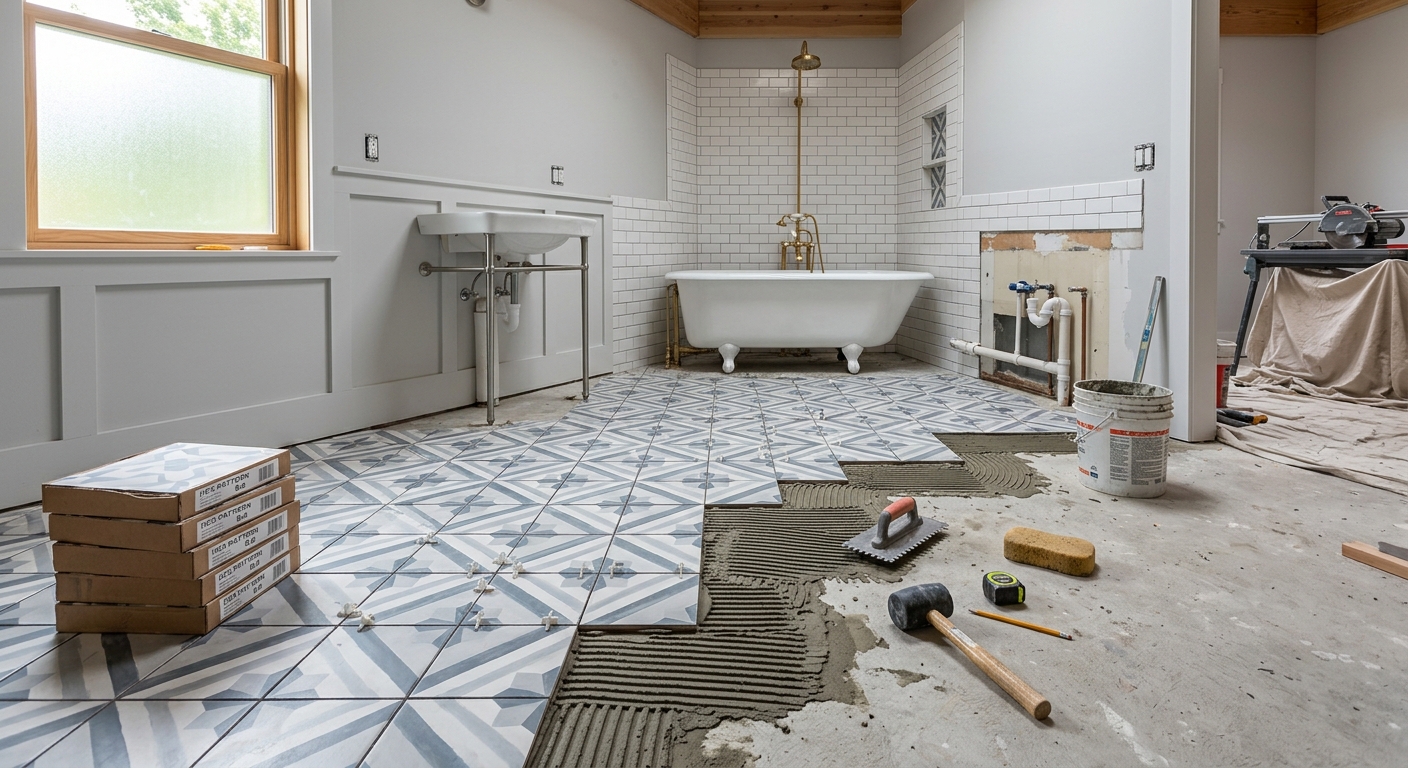
Tile removal and tile setting, grout and sealing, waterproofing prep, match trims/edges, includes material handling but not full plumbing changes |
1–3 weeks |
$2,000–$8,000 |
Prices are estimates only and vary by project scope, site access and material selection.
What affects the price of bathroom renovation in Heritage Mountain
In Heritage Mountain and across the Lower Mainland–Southwest, you’ll often see the same bathroom renovation scope come back 30–50% apart once quotes are itemised. That gap usually isn’t about “price gouging”—it’s about what each contractor includes: whether they’re pricing in plumbing/vent upgrades, how they handle unknown wall-to-drain conditions, and how they build in labour allowances for older framing and tile removal. Compared to other regions of British Columbia, Lower Mainland labour rates and trade availability are higher, and bathrooms require several specialized trades even when the layout stays the same.
The biggest cost driver here is housing age. Older homes in the Lower Mainland–Southwest region frequently hide cast-iron or outdated drainage runs, galvanized supply lines, and ventilation that’s undersized for today’s exhaust expectations. When we open up a bathroom for tiling, we can discover subfloor rot, unlevel concrete, or plumbing that must be reworked to meet current code. Discovery of asbestos-containing materials in vinyl floor tile or older drywall compound (common in pre-1985 homes) can trigger abatement protocols and add roughly $1,500–$5,000+ depending on extent and access.
Two practical examples from Heritage Mountain: (1) If your shower valve cartridge is behind a tiled wall from an older copper layout, replacing the valve and adjusting rough-in can nudge a mid-range full renovation from the lower end toward $18,000–$33,000. (2) If the bathroom is small but requires a new ducted exhaust fan plus GFCI outlets, labour and electrical coordination can push the job toward the upper band of a $18,000–$45,000 full renovation when waterproofing and tile rebuild are included. These are exactly the reasons we recommend pre-investigation and a contingency plan early.
| Price Factor |
Why It Matters |
Cost Impact |
| Layout change — moving drain or supply lines requires rough-in work |
Relocating plumbing forces wall/floor openings, new piping runs, and coordination between trades |
Often +$3,000–$10,000 |
| Tile selection — large-format porcelain vs. mosaic vs. ceramic |
Harder materials need better subsurface prep; mosaic adds labour for cuts and pattern alignment |
Often +$1,000–$6,000 |
| Fixture tier — builder-grade vs. mid-range vs. designer brands |
Trim kits, valves, and special finishes vary widely; higher tiers also affect install time and detailing |
Often +$500–$4,000 |
| Subfloor condition — rot or unlevel concrete adds scope |
Soft or failing backing must be rebuilt; extra backer/leveling boards increase labour and materials |
Often +$1,000–$7,000 |
| Electrical — adding GFCI outlets, exhaust fan, heated floor circuit |
Bathrooms need safe, code-compliant circuits; heated floors add wiring and specialist components |
Often +$800–$5,500 |
| Waterproofing method — membrane type and extent |
Proper membranes and detailing around niches/curbs prevent moisture damage in BC humidity |
Often +$300–$3,500 |
| Older-home surprises — asbestos tile, cast-iron drains, galvanized pipes |
Remediation and plumbing upgrades add trades, permits and time; disposal can be significant |
Often +$1,500–$12,000+ |
| Bathroom size — sq ft drives tile and labour time directly |
More surface area means more tile, more waterproofing coverage, and longer layout/cut time |
Often scales +$1,000–$8,000 |
Permits & regulations in British Columbia
In British Columbia, cosmetic updates are usually straightforward from a permitting standpoint: swapping fixtures, replacing a vanity, repainting, and retiling without relocating plumbing typically don’t require building permits. However, once you move beyond “surface only,” permits and inspections commonly come into play.
Typical work that does require a permit includes relocating plumbing connections (moving a drain line or moving supply lines), adding or changing ducted exhaust ventilation tied to electrical service, and making structural wall changes. Electrical work must meet provincial electrical safety requirements and be performed by a licensed electrician or signed off by one. Plumbing rough-in changes generally require a permit and inspection, especially when walls are opened and drains/supplies are altered.
For a Heritage Mountain homeowner, the safest process is to verify your contractor’s British Columbia trade licence and liability coverage before work starts:
- Ask for the licence details (trade type and licence number) and confirm it matches the work they’ll do in BC using the relevant online registry.
- Request a current certificate of insurance (liability) and keep it on file for your records.
- Confirm workplace coverage where applicable (commonly WCB/WSIB coverage requirements depending on the contractor’s structure).
- Before signing, request written confirmation of what permits your contractor will pull and what inspections are included.
- Get a clear statement on site disposal and debris handling, since permit-related work can trigger additional waste requirements.
Doing these checks up front helps keep timelines predictable and reduces the risk of uncovered work later.
Choosing tile, waterproofing and fixtures for your Heritage Mountain bathroom
In Heritage Mountain bathrooms, three material decisions usually control both the look and the waterproofing performance of your renovation—and they strongly affect budget. First is tile choice: entry-level ceramic can be the most budget-friendly, but it may be less forgiving for large-format layouts and can be more prone to showing imperfections if the substrate isn’t perfectly prepped. Mid-range porcelain is denser and often suits modern floor patterns and larger tile formats. Natural stone (marble, travertine, slate) can be stunning, but it increases labour time for cutting, edge detailing, and sealing demands.
Second is waterproofing method. In BC’s consistently humid bathroom conditions, the waterproofing layer is what prevents mould and deterioration behind the tile. Paint-on membranes can work in limited scenarios, but for wet-area showers we typically recommend robust systems—either a bonded sheet membrane or a manufacturer-approved system approach that includes correct overlap, sealing at corners/penetrations, and the right drain connection. Third is fixture tier: builder-grade components reduce upfront costs, while mid-range and designer brands often improve long-term reliability, finish durability, and resale appeal—especially in homes where buyers notice details like trim finish and shower hardware.
Where the price difference is justified: if your contractor recommends upgrading waterproofing and using a proper membrane detailing around the niche and valve penetrations, the extra cost is money well spent. For example, moving from a basic tile-only approach (often $2,000–$8,000) to a properly detailed shower rebuild can push a shower project toward the $8,000–$25,000 band, because the waterproofing system, drain work, and tile labour all increase.
Choose a combination that matches your bathroom’s moisture exposure, your desired tile style, and your budget tolerance for high-quality waterproofing and finish detailing.
| Material / Option |
Pros |
Cons |
Price Range |
| Ceramic tile (floor + walls) |
More budget-friendly; wide colour selection; easy to match with many grout styles |
Can show substrate flaws; often more limited for very large formats depending on product line |
$2,000–$5,500 |
| Porcelain tile (floor + walls) |
Durable and moisture-tolerant; good for large-format looks; generally more consistent for tile layout |
Requires precise install practices; heavier tile can increase labour for cutting/handling |
$4,000–$8,000 |
| Natural stone (marble, travertine, slate) |
Luxury appearance; unique veining; high-end design impact |
Higher material and labour; sealing/maintenance expectations; more care for edges and lippage |
$6,000–$14,000 |
| Frameless glass shower enclosure |
Clean sightlines; modern premium look; easier to keep visually uncluttered than curtains |
More expensive hardware; needs accurate waterproofing and anchoring |
$2,000–$6,500 |
| Prefab tub surround (acrylic) |
Fast install; consistent fit; fewer tile cuts; good value for tub upgrades |
Less “designer” look than custom tile; may require careful integration with existing surfaces |
$1,500–$4,000 |
| Custom shower pan (tile or linear drain) |
Best drainage control and modern styling; linear drains create sleek sightlines |
Higher labour and waterproofing detailing; requires careful slope planning and substrate prep |
$3,500–$12,000 |
How to choose a bathroom renovation contractor in Heritage Mountain
Choosing the right contractor matters more in Heritage Mountain than many homeowners expect because bathrooms involve plumbing, waterproofing, and electrical coordination in a tight space—plus the Lower Mainland–Southwest trade market can be busy. Start by verifying the contractor’s British Columbia licensing, liability insurance and WCB/WCB coverage (where applicable). Then focus on itemised quoting so you can compare apples to apples.
How to check the essentials:
- BC licence: ask for the licence number and trade type, then confirm it online matches the scope they’ll perform in British Columbia.
- Liability insurance: request a certificate of insurance and confirm it’s current and adequate for renovation work.
- Workplace coverage: confirm WCB/WSIB coverage where required for your contractor’s business structure.
- Trade alignment: ensure subcontractors (electrician/plumber) are licensed for their portion of work, not just the general contractor.
- Written, itemised quotes: request breakdowns for labour and materials—demo, framing/backer, waterproofing, tile installation, fixtures, electrical, and disposal.
- Scope clarity: confirm exactly what’s excluded (glass, niche options, custom drain, lighting upgrades, permit fees).
- Permits and inspections: ask whether permits are included and who is responsible for scheduling inspections.
- Disposal: confirm debris removal and disposal are included or priced separately.
- Warranty: ask for the workmanship warranty term and whether it’s transferable if you sell the home.
- Product warranties: request the manufacturer warranty details for tile, membrane, fixtures and any heated floor system.
- Payment schedule: never accept more than 10–15% upfront; use staged payments tied to completed milestones.
- Timeline in writing: get a start date and a realistic completion estimate, including time for inspections and any lead times.
When you’re comparing bids, be wary of contractors who provide only lump sums, won’t discuss waterproofing specs, or dismiss older-home concerns like cast-iron drains and vent sizing. In Heritage Mountain, red flags include: promises of “same price no matter what once the wall opens,” lack of a membrane-system plan, no proof of insured coverage, vague electrical/plumbing scope, and sketchy warranty terms.
Frequently asked questions — bathroom renovation in Heritage Mountain
Do I need waterproofing behind the tile?
In a Heritage Mountain shower or tub surround area, yes—waterproofing behind the tile is essential in practice. Even if you keep the layout and you’re not moving plumbing, moisture still works its way through grout lines and fastener points over time, and BC’s humid bathrooms can worsen the risk of mould behind finishes. That’s why reputable contractors build a full waterproofing assembly: proper waterproofing membrane, correct overlaps at corners, sealed penetrations (valve and shower arm), and a correctly connected drain. For a typical shower rebuild that moves you into the $8,000–$25,000 band, waterproofing is one of the biggest quality differences between a lasting job and a call-back scenario.
How do I compare bathroom renovation quotes?
Compare quotes by line item, not by the final number. In British Columbia, a “bathroom refresh” can mean everything from paint-and-fixtures only to full demo, waterproofing, and electrical upgrades. Ask each contractor for the same scope headings: demo, subfloor repairs, waterproofing method, tile installation details, exhaust fan work, GFCI outlets, plumbing rough-in (if any), disposal, and permit handling. Also confirm timelines and allowance amounts for fixtures and tile. If one quote lands near the $18,000–$33,000 mid-range band and another near the $33,000–$45,000 high-end band, check whether heated floors, custom glass, or premium waterproofing system upgrades are actually included.
Can I live at home during a bathroom renovation in Heritage Mountain?
Often, yes—especially for cosmetic updates or a tile-only project where plumbing isn’t being relocated. For a full renovation, living on-site may still be possible, but you’ll usually need a temporary plan for bathing and toilet use because demo and rough-in typically interrupt normal function. In the Lower Mainland–Southwest, scheduling can include lead times for tile, glass, and fixtures, and inspections can pause progress briefly. To make it workable, contractors usually stage the work: demo first, then rough-in, then waterproofing and tile. If your renovation moves a drain or adds new ventilation circuitry, expect the bathroom to be out of service for longer. Discuss staged access, clean containment practices, and a realistic “bathroom downtime” window during quote review.
What's the best bathtub material for a Heritage Mountain home?
For most Heritage Mountain homes, the “best” bathtub depends on whether you want an affordable replacement or a longer-lasting upgrade. Common options include acrylic (good value, relatively lightweight) and cast-iron-style units (excellent durability but heavier and often more costly to install). If you’re aiming for a budget band in the $1,500–$6,000 range, tub replacement or a tub-liner approach is often chosen because it reduces demo and rebuild time. If your bathroom has older plumbing or subfloor unevenness, the best choice may be the one that allows a proper level set and seamless waterproofing transitions. We also consider how the surrounding walls are tiled and whether you’ll upgrade the exhaust fan to match today’s moisture control expectations.
Is it worth renovating a bathroom before selling in Heritage Mountain?
It can be worth it, but only if you target the right improvements and keep the scope aligned with your home’s condition. In the Heritage Mountain / Lower Mainland–Southwest market, buyers scrutinize shower waterproofing, exhaust performance, and how modern the finishes feel—not just whether a bathroom is “new.” A cosmetic refresh can help if the plumbing is sound, but if you have aging galvanized supply lines, questionable drain conditions, or poor ventilation, buyers may notice during inspection. A properly executed mid-range full renovation in the $18,000–$33,000 band often provides the most defensible value when it includes ventilation upgrades and durable waterproofing, rather than only cosmetic changes. The key is to avoid overbuilding in a small dated space—focus on reliability, moisture control, and clean modern details.
How do I plan a bathroom renovation on a tight budget in Heritage Mountain?
Start by protecting the items that prevent expensive failures later: waterproofing, ventilation, and any necessary plumbing upgrades. Even on a tight budget in British Columbia, cutting corners on these usually costs more over time. Choose a scope that fits your finances—cosmetic upgrades or tile-focused work can be a better entry point than a full rebuild. If you do go toward a shower project, define whether you’re staying with your existing layout; layout changes often inflate budgets because rough-in work drives labour. Use a contingency allowance because older homes may reveal cast-iron drains or subfloor repairs once walls open. Finally, ask for a staged approach: for example, start with the mid-range essentials (budgeting within $18,000–$33,000 if doing a full reno) and defer premium upgrades like custom glass or heated floors.