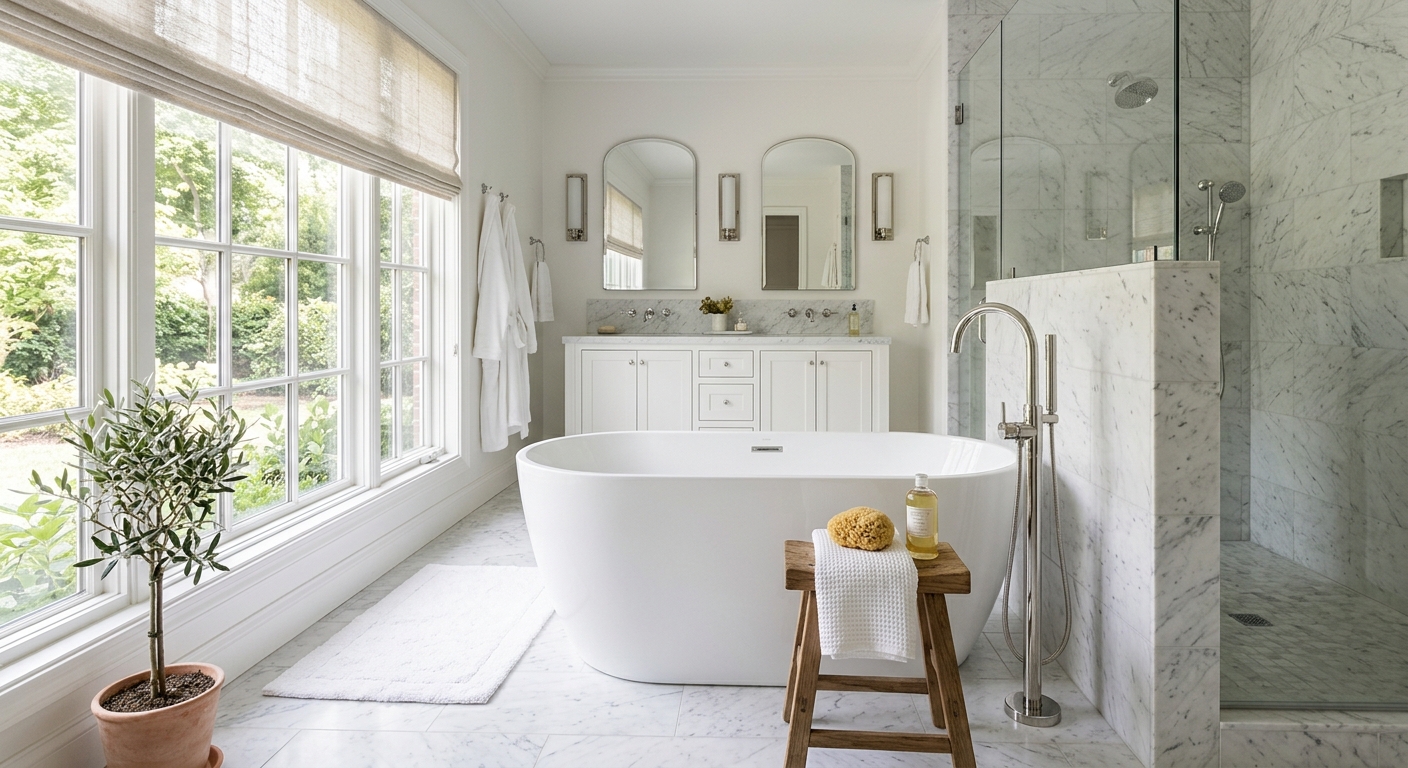
Bathroom renovation options and costs in Coquitlam
Coquitlam bathroom renovations range from quick refreshes to full gut projects, and the right option depends on what’s behind the walls. In Coquitlam, a meaningful share of housing stock is older—29.6% of homes were built before 1981 (Statistics Canada, 2021 Census). That matters because dated plumbing layouts, potential cast-iron or galvanized components, and older ventilation setups are commonly discovered once walls or floors are opened. With 69.3% of households owning (Statistics Canada, 2021 Census), many homeowners are also planning long-term upgrades rather than only short cosmetic fixes.
In the Lower Mainland–Southwest, costs are shaped more by labour demand and construction practices than by day-to-day weather. Metro Vancouver–area trade availability can be tight, and when projects open up, scope often expands to include plumbing and venting upgrades to bring systems up to current British Columbia code. Once you add multiple specialized trades in a small, complex room—plumbing, electrical, waterproofing, tiling—the per-square-foot cost climbs quickly. Even a bathroom that looks straightforward can shift into “mid-range” territory after inspection, demolition, and discovery of issues like outdated wiring or subfloor moisture.
For example, in neighbourhoods such as Central Coquitlam and around the Coquitlam Centre area, you’ll often see steady demand because of the number of mid-century homes being renovated for comfort and accessibility. From there, it’s easier to compare options side-by-side—see the cost ranges in the table below.
| Renovation Scope |
What's Included |
Typical Duration |
Price Range |
| Cosmetic refresh (paint, fixtures, accessories only) |
New vanity or tap/fixture swaps, fresh paint, re-caulk, replace mirror/accessories, light bathroom fan check |
3–7 days |
$3,000–$8,000 |
| Mid-range full renovation (new tile, vanity, tub/shower, electrical) |
Demo + disposal, tile floor and surround, new vanity, tub/shower re-tile or replacement, waterproofing, basic electrical updates, exhaust fan upgrade as needed |
2–4 weeks |
$18,000–$32,000 |
| High-end full renovation (custom tile, steam shower, heated floors) |
Higher-end porcelain/custom tile layout, premium waterproofing, heated floor circuit, custom shower or steam setup, designer fixtures, upgraded ventilation |
4–7 weeks |
$32,000–$45,000 |
| Shower-only installation (convert tub to walk-in shower) |
Remove tub, install walk-in shower base/pan, tile surround, new glass door/enclosure, plumbing changes at drain/supply, waterproofing |
1.5–3 weeks |
$12,000–$25,000 |
| Bathtub replacement or tub-liner install |
Replace tub and re-caulk/reseal, or install tub liner where suitable; matching surround finishing; fan/valve check |
3–10 days |
$1,500–$6,000 |
| Tile-only installation (floor + surround, existing layout kept) |
Tile removal and install, cement board as needed, waterproofing/membrane, grout/seal, keep existing vanity/plumbing positions |
1.5–3 weeks |
$2,000–$8,000 |
Prices are estimates only and vary by project scope, site access and material selection.
What affects the price of bathroom renovation in Coquitlam
Homeowners in Coquitlam often see quotes that differ by 30–50% for what sounds like the same bathroom. The biggest reason is that labour rates and the age of the local housing stock drive cost more than the day-to-day “Coquitlam climate.” In the Lower Mainland–Southwest, construction labour costs are higher due to consistent demand and skilled-trade availability. Then, when older homes are opened, scope commonly expands: in a region with lots of pre-1980 builds (29.6% built before 1981), it’s not unusual to uncover cast-iron or aging drain systems, galvanized supply lines, insufficient ventilation ducting, or dated rough-in layouts that don’t align cleanly with modern tile and waterproofing assemblies.
Asbestos risk can also move budgets. Discovery of asbestos-containing materials in older flooring, drywall compound, or insulation can trigger professional abatement and adds commonly stated contingency dollars in the range of $1,500–$5,000+ depending on extent, access, and what needs to be removed. Because bathrooms are small but intricate, even minor changes—like relocating a drain by a few feet—can require additional rough-in plumbing, drywall, waterproofing, and tile rework.
In Coquitlam, two common “budget splitters” are ventilation and waterproofing method. Upgrading an undersized exhaust fan or rerouting ducting can add cost, while choosing a full waterproofing membrane system can prevent expensive callbacks later. Conversely, when you keep the plumbing layout, the project can stay closer to the tile-only range (for example $2,000–$8,000) rather than moving into a mid-range full renovation ($18,000–$32,000). A final driver is bathroom size: more square footage means more tile, thinset, labour time, and waterproofing coverage.
| Price Factor |
Why It Matters |
Cost Impact |
| Layout change — moving drain or supply lines |
Requires plumbing rough-in work, demolition, and patching, plus reconnection to venting |
Can add several thousand dollars vs. keeping the same layout |
| Tile selection — large-format porcelain vs. mosaic vs. ceramic |
Material cost and installation complexity increase with size, pattern cuts, and coverage demands |
Often shifts the job within a $2,000–$8,000 tile band and upward for full renos |
| Fixture tier — builder-grade vs. mid-range vs. designer brands |
Higher-end valves, trims, and vanities cost more and can require more precise install |
Can move total project cost toward $18,000–$32,000 or $32,000–$45,000 ranges |
| Subfloor condition — rot or unlevel concrete adds scope |
Subfloor repair, leveling, and additional backer/cement board changes both time and materials |
Commonly adds contingency if issues are found after demo |
| Electrical — adding GFCI outlets, exhaust fan, heated floor circuit |
Complexity increases with new circuits, code-compliant placement, and heated floor wiring |
Can add cost depending on whether an upgrade is required |
| Waterproofing method — membrane type and extent |
Better membranes and proper termination details improve long-term performance and reduce failure risk |
Typically increases upfront cost but reduces costly repairs later |
| Older-home surprises — asbestos tile, cast-iron drains, galvanized pipes |
Remediation and plumbing replacement drive both labour and trade scheduling |
Can add $1,500–$5,000+ and push the project into a higher scope tier |
| Bathroom size — sq ft drives tile and labour time directly |
More walls/floor means more prep, tile cuts, waterproofing, and cure time |
Small bathrooms stay closer to the lower band; larger rooms tend toward mid/high pricing |
Permits & regulations in British Columbia
In British Columbia, many cosmetic bathroom updates in Coquitlam rarely require permits. Swapping fixtures (like taps, showerheads, vanities), re-caulk, repainting, and retiling in-place usually fall under “like-for-like” finishing and typically do not trigger permit work. However, when you change plumbing or electrical systems, the rules tighten. Relocating plumbing (moving a drain or supply lines), adding or relocating an exhaust fan with new electrical supply, and any structural wall changes generally require permits and inspections.
Electrical work must meet the provincial code and be performed by a licensed electrician (or handled by a contractor working under proper licensing). Plumbing rough-in changes typically require a permit and inspection, especially if venting is modified or drains are rerouted. Also watch for scope that affects compliance: heated floors, new circuits for bathroom receptacles, and modifications near wet areas require careful code-aligned installs.
To verify your contractor before signing, do this in order: (1) ask for the contractor’s British Columbia trade licence number and confirm it through the applicable online registry/search; (2) request a certificate of insurance showing liability coverage that matches your project value; (3) confirm coverage and documentation for workers—ask whether they carry WCB/WSIB-equivalent coverage for their trade work; and (4) if permits are needed, confirm who will pull them and schedule inspections. Never start demolition until you have the licence and insurance documents in hand.
Choosing tile, waterproofing and fixtures for your Coquitlam bathroom
In Coquitlam, your bathroom budget is usually decided by three material choices: tile selection, waterproofing system, and fixture tier. First, tile choice sets both cost and installation complexity. Ceramic is often the entry-level option, while porcelain typically costs more but handles bathroom wear and moisture better, and natural stone (marble, travertine, slate) is the luxury route—beautiful, but more expensive to select, more sensitive to sealing, and not always ideal for every household lifestyle.
Second is waterproofing method. British Columbia’s winter wet seasons and ongoing indoor humidity mean showers must be built to resist moisture every day. A paint-on membrane can work for some situations, but for full shower assemblies many contractors prefer a bonded sheet membrane or a system that includes a compatible board/membrane approach (often part of a recognized tile-waterproofing system). The goal is consistent coverage, correct overlaps, and proper sealing at corners, niches, and transitions—mistakes here can lead to mouldy grout lines, soft substrate, or failed waterproofing behind the tile.
Third, fixture tier influences both upfront spend and resale perception. Builder-grade fixtures can fit a refresh, while mid-range and designer brands bring better valves, nicer finishes, and smoother operation—often worth it in a family home where the bathroom is used daily.
A practical example: if you’re budgeting around a mid-range full renovation ($18,000–$32,000), spending the extra on porcelain tile plus a robust waterproofing system is usually justified because it reduces the chance of expensive rework. Conversely, upgrading just the vanity while keeping basic waterproofing and inexpensive tile can look good initially but doesn’t protect you from moisture-related problems.
| Material / Option |
Pros |
Cons |
Price Range |
| Ceramic tile (floor + walls) |
Entry-friendly cost, wide design selection, straightforward to install with proper prep |
More prone to chipping or staining than porcelain; may require more grout maintenance |
$2,000–$5,500 |
| Porcelain tile (floor + walls) |
Lower moisture absorption, durable in wet areas, great for modern large-format looks |
Heavier tile can require careful layout and extra precision cutting |
$4,000–$8,000 |
| Natural stone (marble, travertine, slate) |
Premium look, high-end feel, unique veining for luxury finishes |
Sealing and maintenance requirements; some stones can be more costly to install |
$6,000–$14,000 |
| Frameless glass shower enclosure |
Cleaner sightlines, modern upgrade, often boosts perceived value |
Requires accurate framing/tiling alignment; hardware cost increases with size |
$2,500–$7,500 |
| Prefab tub surround (acrylic) |
Fast install, consistent surfaces, usually simpler for curved/tub walls |
Limited design flexibility vs. custom tile; requires good fit to prevent leaks |
$1,200–$3,500 |
| Custom shower pan (tile or linear drain) |
Elegant, spa-like result; linear drains create strong modern lines |
More complex waterproofing and slope work; higher skilled-labour time |
$3,000–$10,000 |
How to choose a bathroom renovation contractor in Coquitlam
Choosing the right contractor in Coquitlam is mostly about verification and process. Start with licensing and coverage: ask for the contractor’s British Columbia trade licence details (and confirm them using the relevant provincial online registry), then request a current certificate of liability insurance. For worker coverage, ask for proof of WSBC-related coverage (WCB-equivalent coverage in BC) so you’re not exposed if someone is injured on your site. A reputable contractor will provide these documents without pressure.
Next, get 2–3 itemised written quotes. You want labour and materials broken out—not one lump sum—especially for tile removal, waterproofing, rough-in plumbing/electrical, disposal, and any permit work. Read the exclusions line-by-line: is asbestos testing or abatement included if discovered? Is disposal included? Who supplies and installs glass, waterproofing membrane, and shower components? What about electrical upgrades such as new GFCI receptacles and exhaust fan ducting?
Warranty matters for both workmanship and products. Ask: how long is the workmanship warranty, is it in writing, and does it cover call-backs? Confirm product/manufacturer warranties (tile, fixtures, shower doors) and whether they’re transferable if you sell the home.
For payment schedule, a good rule is never pay more than 10–15% upfront. Holdback until substantial completion and final sign-off reduces the risk of delays. Finally, demand a start date and a completion estimate in writing, with milestone dates for demo, rough-in, waterproofing, tiling, and trim-out.
- Verify BC trade licence details using the provincial licence registry search.
- Ask for a current certificate of liability insurance and confirm project coverage limits.
- Request proof of WCB/WSBC-equivalent coverage for workers (BC requirement for insured jobs).
- Get 2–3 itemised quotes: labour line items plus material allowances.
- Confirm whether permits are included and who pulls them (contractor vs. homeowner).
- Clarify disposal: demolition debris haul-away included or not.
- Ask what happens if asbestos or hidden plumbing issues are found after demo.
- Demand a waterproofing plan: membrane type, coverage areas, and tie-ins.
- Require a tile installation method that matches your tile choice (porcelain vs. stone).
- Check warranty length for workmanship and whether it covers water intrusion/call-backs.
- Agree on a payment schedule with a holdback until punch list completion.
- Get a written timeline with milestones and an explanation of what causes schedule changes.
Red flags in Coquitlam: (1) contractors who won’t provide licence/insurance documents, (2) estimates that omit waterproofing details, (3) “all-inclusive” lump sums with unclear exclusions (permits, disposal, surprises), (4) pressure to pay large deposits upfront, and (5) no written schedule or warranty terms.
Frequently asked questions — bathroom renovation in Coquitlam
How do I prevent mold in a Coquitlam bathroom?
To prevent mould in Coquitlam, focus on three things: moisture control, air movement, and build quality. First, ensure your shower and tub surround have a proper waterproofing system behind the tile—not just grout and caulk. Second, upgrade ventilation so the fan moves enough air for the room size and ducting runs correctly (a bathroom fan check is especially important in older homes built before 1981, which make up 29.6% of the housing stock—Statistics Canada, 2021 Census). Third, use the right finishing details: full caulk at transitions, sealed grout where appropriate, and prompt drying after showers. A good renovation that stays within realistic Coquitlam pricing (for example, mid-range full work around $18,000–$32,000) typically includes proper waterproofing and ventilation updates.
What adds the most resale value in a bathroom reno?
Resale value in Coquitlam usually comes from upgrades that buyers feel immediately and that reduce future risk. The strongest value drivers are: a clean, modern layout with updated finishes; a high-quality tile system with reliable waterproofing; and “functional” improvements like better lighting and a properly sized exhaust fan. If you’re converting from tub to a walk-in shower, that can also appeal to a wider range of buyers, but plan for plumbing and venting updates when needed. In terms of budgets, homeowners often choose a mid-range full renovation tier (commonly $18,000–$32,000) because it balances appearance and system upgrades. If you want to go further, a high-end renovation (about $32,000–$45,000) delivers the premium feel buyers pay for—especially with heated floors or higher-end glass enclosures.
Can I keep my existing plumbing layout to save money?
Yes—keeping your existing plumbing layout is one of the most reliable ways to control cost in a Coquitlam renovation. When you don’t move drains or supply lines, you avoid rough-in plumbing work, additional venting complexity, and more demolition/patching. Many homeowners do this by planning the reno around the existing vanity location, toilet position, and shower valve/drain placement, then focusing on tile, finishes, and waterproofing quality. If your bathroom is in an older home (29.6% built before 1981—Statistics Canada, 2021 Census), a contractor may still recommend replacing aging parts once exposed, but the project often stays closer to the “tile-only” or mid-range band rather than ballooning into layout-change costs. Ask for an inspection and camera check before walls go up so you can budget realistically.
How much does a walk-in shower cost in Coquitlam?
In Coquitlam and the Lower Mainland–Southwest, a walk-in shower conversion (typically converting a tub to a walk-in) often falls around the shower-install price band of $8,000–$25,000 depending on enclosure type, tile complexity, and plumbing changes. If you select mid-range porcelain tile, add a glass door, and include full waterproofing with an updated exhaust fan if needed, it commonly lands in the mid-to-upper part of that range. For a more basic conversion that keeps the plumbing location stable and uses simpler finishes, it can be closer to the lower end. For a fully premium result—custom pan, linear drain, premium glass and heated floor—it can edge higher toward high-end full reno territory (for example $32,000–$45,000 when paired with broader bathroom updates).
What's the ROI on a bathroom renovation?
ROI depends on your baseline condition, what you change, and how the market views the upgrades in Coquitlam. In practice, bathrooms return value most strongly when the renovation improves functionality and solves moisture/waterproofing risks—not just aesthetics. Buyers pay attention to ventilation, modern tilework, clean fixtures, and whether the shower assembly is built to last. If you’re working with an older home (29.6% built before 1981—Statistics Canada, 2021 Census), addressing hidden system issues (venting, drainage, electrical safety like GFCI where required) can protect your investment even if it’s not immediately “visible.” Budget-wise, many homeowners target a mid-range full renovation tier ($18,000–$32,000) to balance cost with perceived value. High-end upgrades ($32,000–$45,000) can offer better lifestyle payoff, but ROI is typically strongest when the finish quality matches the home’s market segment.
Do I need waterproofing behind the tile?
Yes—plan on waterproofing behind the tile in a shower area in Coquitlam. Waterproofing is what protects the wall and subfloor from moisture movement. Caulking alone is not a substitute, and grout lines are not a waterproof system. A proper assembly usually includes a waterproof membrane (paint-on, bonded sheet, or a compatible system built around the shower substrate), correct overlaps at seams, and proper sealing at changes of plane, niches, and corners. This is especially important in the Lower Mainland where bathroom humidity is a constant issue due to frequent indoor moisture and shower use. If you’re budgeting a tile-focused scope (often $2,000–$8,000 for tile-only work), make sure your contractor still includes the full waterproofing steps—not shortcuts. For full renos, waterproofing is part of why mid-range projects ($18,000–$32,000) can cost more than a simple re-tile.