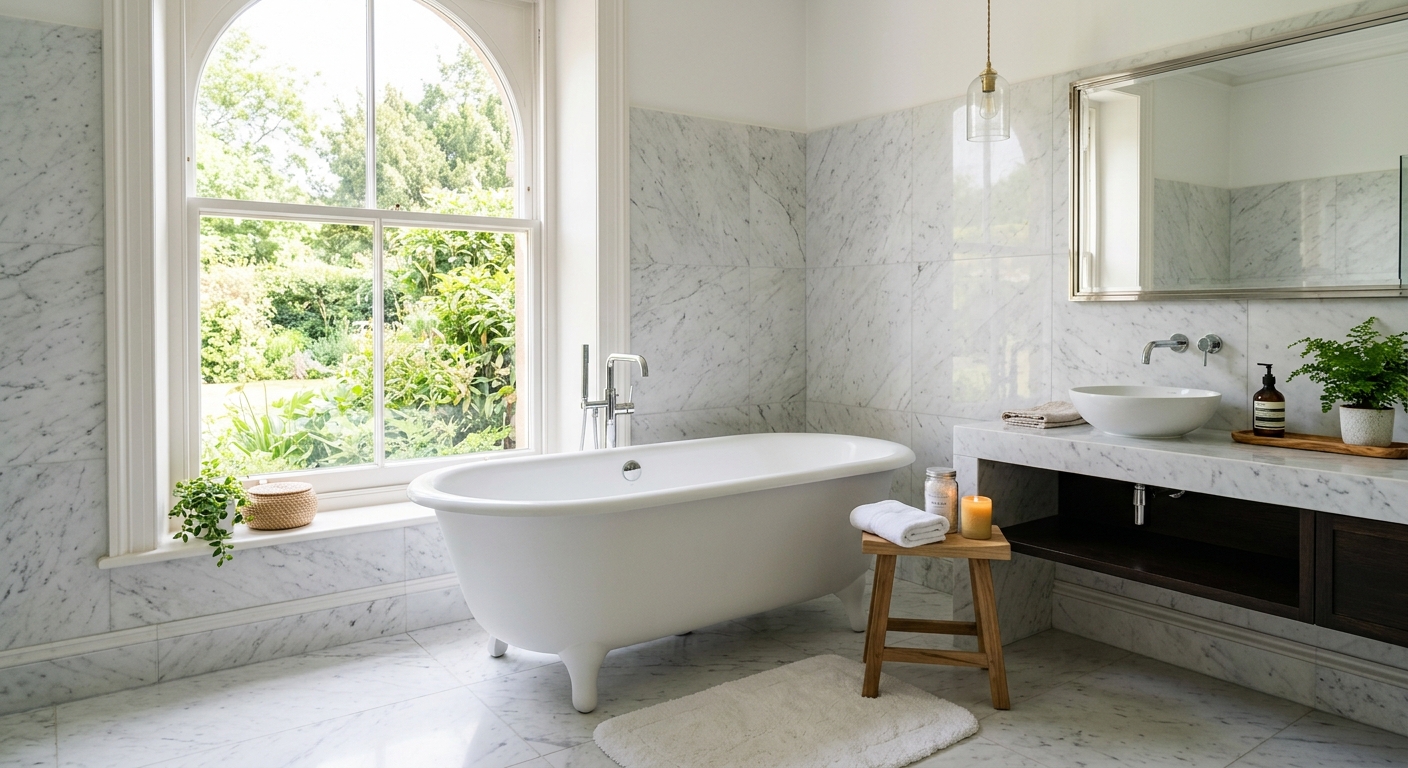
Bathroom renovation options and costs in Slave Lake
Bathroom renovation in Slave Lake can run from a simple refresh to a full gut-and-rebuild, and the right scope depends on your fixtures, your subfloor condition, and how much plumbing needs attention. Because 29.1% of homes in the area were built before 1981 (Statistics Canada, 2021 Census), it’s common to encounter older drain configurations, dated venting, and legacy electrical that has to be corrected before tile and trim get installed. That “behind-the-walls” work is one reason costs in Slave Lake move faster than homeowners expect, even when the bathroom looks unchanged.
In the Athabasca–Grande Prairie–Peace River region, seasonality affects drying times and scheduling, but labour availability and housing age are the real budget drivers. Trades can be booked tightly when multiple communities schedule renovations at once, and older properties frequently need plumbing and venting upgrades—sometimes adding scope because correcting or relocating lines is labour-intensive. In neighbourhoods like Susan Lake / waterfront area where many homes are older and layouts vary, contractors often flag hidden issues early so the final invoice doesn’t jump.
Below are realistic Alberta price bands for common bathroom renovation paths in Slave Lake. Use them as a starting point before you compare contractor quotes, especially when one company includes waterproofing, electrical upgrades, and disposal while another doesn’t.
| Renovation Scope |
What's Included |
Typical Duration |
Price Range |
| Cosmetic refresh (paint, fixtures, accessories only) |
Paint, replace toilet/vanity top or basic fixtures, swap accessories, minor caulking, no major plumbing or re-tiling |
3–7 days |
$3,000–$8,000 |
| Mid-range full renovation (new tile, vanity, tub/shower, electrical) |
Demo, drywall touch-ups as required, cement board, tile floor/surround, new vanity, tub/shower set, exhaust fan upgrade, GFCI as needed, waterproofing, disposal |
2–4 weeks |
$14,000–$24,000 |
| High-end full renovation (custom tile, steam shower, heated floors) |
Premium tile system, custom shower or steam-ready layout, heated floor wiring, upgraded ventilation, higher-end controls/valves, premium hardware, detailed waterproofing system |
4–7 weeks |
$24,000–$32,000 |
| Shower-only installation (convert tub to walk-in shower) |
Remove tub, rough-in corrections if required, waterproofed shower pan and walls, glass (if selected), new curb/linear options, exhaust fan/fixture updates |
2–3 weeks |
$7,500–$15,000 |
| Bathtub replacement or tub-liner install |
Remove and replace tub (or liner system), new trim/caulking, limited surround refresh, confirm drain condition, seal and waterproof transition points |
1–3 weeks |
$1,500–$9,000 |
| Tile-only installation (floor + surround, existing layout kept) |
Tile floor and shower/tub surround, waterproofing prep and membrane as required, re-grout/finish transitions, no major plumbing relocation |
1–3 weeks |
$2,000–$12,000 |
Prices are estimates only and vary by project scope, site access and material selection.
What affects the price of bathroom renovation in Slave Lake
Two contractors can quote the “same” bathroom renovation in Slave Lake and still land 30–50% apart, even before you upgrade finishes. In the Athabasca–Grande Prairie–Peace River region, labour rates and availability tend to be the biggest swing factor, and the age of the housing stock is the next. In a town of 6,836 residents (Statistics Canada, 2021 Census), the trades pool is smaller than Edmonton or Calgary, so schedules tighten and premium labour costs can show up faster when multiple jobs overlap.
Climate matters less than most homeowners think, but it still plays a role: colder temperatures and shorter shoulder seasons can slow drywall curing and affect how quickly materials dry between waterproofing and tile. The larger cost driver in older Slave Lake homes is what gets discovered behind walls—cast-iron drain sections that need replacement, copper or galvanized supply lines that don’t match modern valve requirements, and bathrooms with ventilation that doesn’t meet today’s moisture-control expectations. If an inspection reveals possible asbestos in older floor tile or dated drywall compounds (more common in homes built pre-1985), you’re looking at professional abatement protocols; budget increases often run $1,500–$5,000+ depending on what’s found and how extensive the containment is.
Concrete examples: (1) keeping your layout and replacing only fixtures can keep you near the $14,000–$24,000 mid-range full-reno band; (2) moving the shower drain or adding a new exhaust fan circuit can push you toward $24,000–$32,000 in a high-end full renovation because rough-in, inspection timing, and rework increase labour hours. (3) If your subfloor is uneven after demo, levelling can add tile waste and extra backer board work.
| Price Factor |
Why It Matters |
Cost Impact |
| Layout change — moving drain or supply lines requires rough-in work |
Relocating plumbing means breaking floors/walls, rerouting lines, and re-venting where needed |
+ $3,000–$8,000 |
| Tile selection — large-format porcelain vs. mosaic vs. ceramic |
Harder materials need better prep and can increase cutting/waste |
+ $1,500–$6,000 |
| Fixture tier — builder-grade vs. mid-range vs. designer brands |
Higher tiers often cost more for valves, trims, and supports |
+ $500–$4,000 |
| Subfloor condition — rot or unlevel concrete adds scope |
Correcting structure and levelling improves waterproofing reliability and tile longevity |
+ $1,000–$5,000 |
| Electrical — adding GFCI outlets, exhaust fan, heated floor circuit |
Licensed electrical work, new wiring paths, and ventilation upgrades drive added time |
+ $800–$4,500 |
| Waterproofing method — membrane type and extent |
Proper bonding, overlap, and coverage reduce future moisture failures |
+ $600–$3,000 |
| Older-home surprises — asbestos tile, cast-iron drains, galvanized pipes |
Remediation and line replacements add labour, permits/inspections, and material handling |
+ $1,500–$10,000+ |
| Bathroom size — sq ft drives tile and labour time directly |
More wall/floor area increases tile labour, backer board, and waterproofing |
+ $1,000–$6,000 |
Permits & regulations in Alberta
In Alberta, cosmetic updates in your Slave Lake bathroom—like swapping a vanity, replacing a toilet, changing paint, or retiling with the same layout—typically do not require a permit. Where you start to trigger permitting is when you change the building systems. A permit is commonly needed when you: move plumbing (new or relocated drain/supply lines), add or modify electrical circuits (for example, new bathroom exhaust fan wiring, new heated floor circuits, or new outlet circuits), or make structural changes that affect walls, framing, or load paths.
Electrical work must meet Alberta code and be completed by, or signed off by, a licensed electrician. Plumbing rough-in changes typically require a permit and inspection at the rough stage (before walls are closed) so pressure tests and drainage checks can be verified.
To verify a contractor properly, do it in this order:
- Ask for their Alberta trade licence and confirm the licence matches the trade scope they’re doing (general contractor vs. specialized trade).
- Request a clear certificate of insurance (general liability) showing jobsite coverage amounts.
- Confirm WSIB/WCB coverage for their workers (or provide proof of clearance, depending on how they operate).
- Get their licence and insurance details before work begins—don’t rely on verbal confirmation.
- Verify any permit pull responsibility: ask whose name the permit is under and when it gets submitted.
If a contractor can’t show documentation or pushes back on basic checks, that’s a red flag—especially in older Slave Lake homes where inspections and code compliance protect you from expensive rework later.
Choosing tile, waterproofing and fixtures for your Slave Lake bathroom
In Slave Lake, your bathroom renovation budget is usually won or lost by three material decisions: tile, waterproofing, and fixtures. First, tile choice: ceramic tile is a solid entry option, but it’s more forgiving in price while still requiring careful substrate prep. Porcelain is denser and better suited for moisture-prone floors and feature walls, but it can mean higher material cost and more labour if you choose large-format panels that demand flatter installation. Natural stone (marble, travertine, slate) looks luxurious, yet it’s the most demanding: it needs sealing and careful selection to avoid uneven tone and higher labour for finishing.
Second, waterproofing method: a paint-on membrane can be economical for smaller areas, but a bonded sheet membrane or a properly detailed system (including compatible profiles and sealants at corners and transitions) is what keeps moisture where it belongs. In Alberta’s interior humidity swings—warm showers followed by cold dry air—good waterproofing prevents mould in wall cavities and protects your subfloor. Third, fixture tier: builder-grade fixtures can save up front, but designer brands often provide smoother valves, better finishes, and more consistent performance. That can matter for resale when buyers tour homes in a market where many dwellings are older (and inspection-driven).
Budget matching example: upgrading from an entry-level tile system to mid-range porcelain plus a full waterproofing membrane package might move you from the low end of the full-reno band (around $14,000–$24,000) toward the upper part—yet it’s often justified because it reduces redo risk. If you’re keeping the layout, that’s usually where the smartest value sits.
| Material / Option |
Pros |
Cons |
Price Range |
| Ceramic tile (floor + walls) |
Lowest material cost, good appearance variety, widely available |
More prone to chipping; must ensure correct slip rating on floors |
$2,000–$8,000 |
| Porcelain tile (floor + walls) |
Denser and more durable, better moisture performance, consistent sizing for clean lines |
Higher material cost; can increase labour for larger formats |
$4,000–$12,000 |
| Natural stone (marble, travertine, slate) |
Premium look and resale appeal; unique veining/texture |
Needs sealing, higher labour, more variables in tone and thickness |
$8,000–$18,000 |
| Frameless glass shower enclosure |
Modern appearance, easy to clean, maximizes light in smaller bathrooms |
Higher hardware cost; precise measurements required |
$2,000–$6,000 |
| Prefab tub surround (acrylic) |
Fast install, good water resistance, fewer tile cuts and labour hours |
Less “custom” look; seams and transitions must be detailed properly |
$1,500–$4,000 |
| Custom shower pan (tile or linear drain) |
Greatly improves design and accessibility; linear drains can look built-in and seamless |
Requires meticulous slope, waterproofing, and drainage detailing |
$3,500–$12,000 |
How to choose a bathroom renovation contractor in Slave Lake
Choosing the right contractor in Slave Lake starts with proof—licensing, insurance, and coverage. For Alberta trade licences, ask which trade performs each scope (demo, electrical, plumbing, tile/waterproofing). For liability, request a certificate of insurance that names the jobsite and shows appropriate coverage. For WSIB/WCB, confirm they have active coverage for workers on the project or provide clearance documentation where applicable. If they won’t provide documents promptly, treat that as a serious warning sign.
Next, get 2–3 itemised written quotes instead of lump sums. You want line items for labour, tile installation, waterproofing method, electrical upgrades (like GFCI and exhaust fan), plumbing rough-in, disposal, and any permit-related scope. Also read exclusions: “scope gaps” are where budgets blow up later—things like demolition limits, not including disposal, or leaving waterproofing details vague.
On warranty and payment, insist on: a written workmanship warranty (length and what it covers), a clear product manufacturer warranty, and whether warranties are transferable to you as the owner. Payment should be staged—never more than 10–15% upfront for start-up materials, with holdback until key milestones are completed. Finally, demand a start date and a completion estimate in writing, so weather delays don’t turn into schedule surprises.
- Ask for their Alberta licence number and the trades they subcontract.
- Confirm general liability insurance and request the certificate before demo.
- Provide proof of WSIB/WCB coverage for workers.
- Require itemised pricing (labour + materials) rather than a one-line total.
- Get waterproofing specifications in writing (membrane type and coverage).
- Confirm disposal is included (dump fees, haul-away, and recycling).
- Clarify if permits are included and who pulls them.
- Ensure electrical scope includes GFCI and ventilation requirements where applicable.
- Request details on subfloor preparation and how unevenness is corrected.
- Confirm glass enclosure measurements and who supplies/installers are responsible.
- Review warranty length for workmanship and transferability to you.
- Use milestone-based payments with holdback until final inspections are complete.
Red flags I watch for in Slave Lake: (1) quotes that don’t mention waterproofing or only say “waterproofing included”; (2) a contractor who won’t provide insurance/WSIB/WCB documentation on request; (3) no permit plan when plumbing/electrical is being moved; (4) a very low price compared with the $14,000–$32,000 full renovation band without a clear explanation of what’s excluded; (5) pressured payment schedules (high deposits) or no written start/finish timeline.
Frequently asked questions — bathroom renovation in Slave Lake
How do I prevent mold in a Slave Lake bathroom?
Mould prevention in Slave Lake is mostly about keeping water out of the assembly and controlling humidity after showers. Start with professional waterproofing: a properly detailed membrane behind tile, sealed transitions at corners, and a correctly installed waterproof substrate system. Use a moisture-rated exhaust fan sized for the room and vented to the exterior; then run it long enough for the bathroom to dry (especially in older homes with ventilation that wasn’t designed for modern shower use). Also seal grout where appropriate for your tile choice and keep caulking fresh around tub/shower edges. Because Slave Lake’s housing stock includes many older homes (Statistics Canada, 2021 Census), it’s worth having a contractor check for poor ventilation or hidden moisture issues early, before you close walls.
What adds the most resale value in a bathroom reno?
For resale in Alberta, buyers usually pay most attention to the “quality signals” that reduce inspection concerns: clean, modern waterproofing; updated ventilation; and fixtures that look durable. In a typical full renovation, homeowners often see the best value by spending in the areas that affect performance—new tile work done over a proper substrate system, an upgraded exhaust fan, and electrical safety updates like GFCI protection. In Slave Lake, where many dwellings were built before 1981 (Statistics Canada, 2021 Census), removing dated materials and confirming plumbing/venting reliability can be as valuable as cosmetics. If you want a realistic budget reference, most mid-range full renovations land around the $14,000–$24,000 band, and higher-end upgrades typically move toward $24,000–$32,000 when you add heated floors or custom shower features.
Can I keep my existing plumbing layout to save money?
Yes—keeping the existing plumbing layout is one of the most reliable ways to manage cost in Slave Lake. When you don’t move the drain and supply lines, you typically avoid more demolition, rough-in plumbing work, and inspection steps that come with relocating pipe runs. That’s also where you reduce the chance of discovering additional problems like older drain sections (including cast-iron) that need replacement once the wall is opened. If your layout still works, consider upgrades that don’t require moving lines: replacing the vanity, upgrading the exhaust fan, refreshing lighting, and doing tile/surround work around the existing rough-in locations. This approach more often keeps you closer to the mid-range renovation band of roughly $14,000–$24,000, whereas layout changes can push timelines and budgets upward.
How much does a walk-in shower cost in Slave Lake?
A walk-in shower cost in Slave Lake depends on whether you’re converting from an existing tub, adding a linear drain, and how custom the glass and tile work are. As a practical Alberta reference for this region, shower-only installations (converting tub to a walk-in) commonly land around $7,500–$15,000 when the layout is mostly maintained. If you’re adding premium glass, upgrading waterproofing details for a custom pan, or expanding electrical/ventilation scope, you can move toward the upper end of that range. If your bathroom already has problematic plumbing or venting (more common in older homes), that can add cost because the rough-in must be corrected before the shower pan is built.
What's the ROI on a bathroom renovation?
ROI (return on investment) depends heavily on the condition you start with and whether you fix “functional” issues versus only updating finishes. In many cases, the strongest return comes from renovations that address moisture risk, safety, and inspection concerns: updated ventilation, correct waterproofing behind tile, safe electrical with GFCI, and reliable plumbing/venting. While exact ROI varies by buyer preferences in your specific area, it’s reasonable to think of ROI as a combination of resale appeal plus reduced deal-breaker repairs. In Alberta markets like Slave Lake, where older homes remain common (Statistics Canada, 2021 Census), buyers often value improvements that make future maintenance predictable. If you’re planning a full renovation, most projects land in the $14,000–$32,000 band; spending less than that typically limits the scope, while spending toward the upper end can make sense when you’re correcting hidden issues and upgrading ventilation and shower systems.
Do I need waterproofing behind the tile?
In nearly all modern bathroom installations, yes—waterproofing behind tile is the standard best practice in Alberta wet areas. Tile alone is not a waterproof system; grout and caulking can fail over time, especially when winter-to-summer temperature swings are paired with heavy shower use. Proper waterproofing (membrane type matched to your wall assembly) helps prevent water from migrating into framing and subfloor, which reduces mould risk and protects the structure. In older Slave Lake homes—many built before 1981 (Statistics Canada, 2021 Census)—the cavity may already have ventilation gaps or aging materials. That’s a good reason to confirm the waterproofing method and details in writing: coverage, seam treatment, corners, and transitions at the tub/shower edge.